 EN
EN  PT_BR
PT_BR 
The demand for nutrients from the soy It varies throughout the cycle and follows the changes in plant development, from biomass formation to grain filling. According to agricultural engineer Guilherme Ceccherini, the absorption and accumulation of nutrients They change as the crop progresses through the vegetative and reproductive phases.
During the vegetative period, the intense formation of leaves, roots, and biomass causes a progressive increase in nutritional needs. With the arrival of flowering and pod formation, this requirement intensifies, marking an important stage in defining the crop's productive potential.
During grain filling, nutrients such as potassium, nitrogen, phosphorus, magnesium, and sulfur play an important role in maintaining physiological processes and grain formation. During maturation, a redistribution of nutrients occurs within the plant, with some elements being translocated from the leaves to the reproductive organs.
This behavior shows that soybean nutritional management depends not only on the quantity of nutrients supplied. The timing of nutrient delivery also needs to be related to the stage of development and the needs of the crop at each phase.
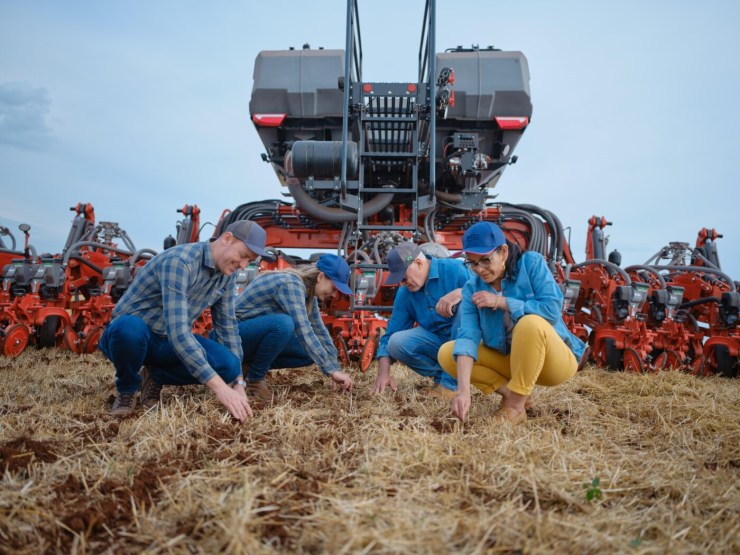
Understanding the nutritional demand curve allows for fertilization to be more closely aligned with the soybean's phenological cycle. The relationship between nutrient availability and plant development contributes to increased management efficiency and enhances the productive potential of the crop. "Knowledge of the nutritional demand curve allows us to relate fertilization to the crop's development stage, seeking greater efficiency in nutrient use and better utilization of productive potential," he concludes.