 EN
 PT_BR

The use of biostimulants in agriculture has gained ground as an alternative to reduce plant stress and improve crop performance. According to researcher Luiz Gustavo Moretti, from Embrapa, these inputs can favor plant metabolism and provide productivity gains, especially in the face of climatic variations.
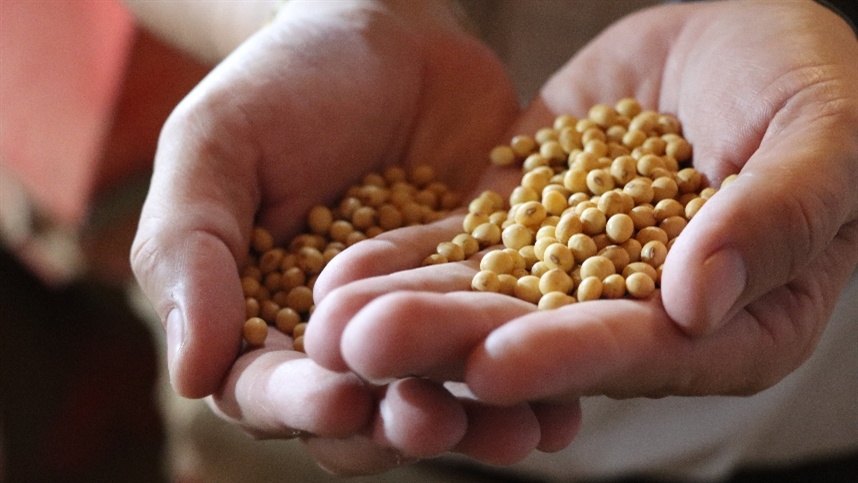
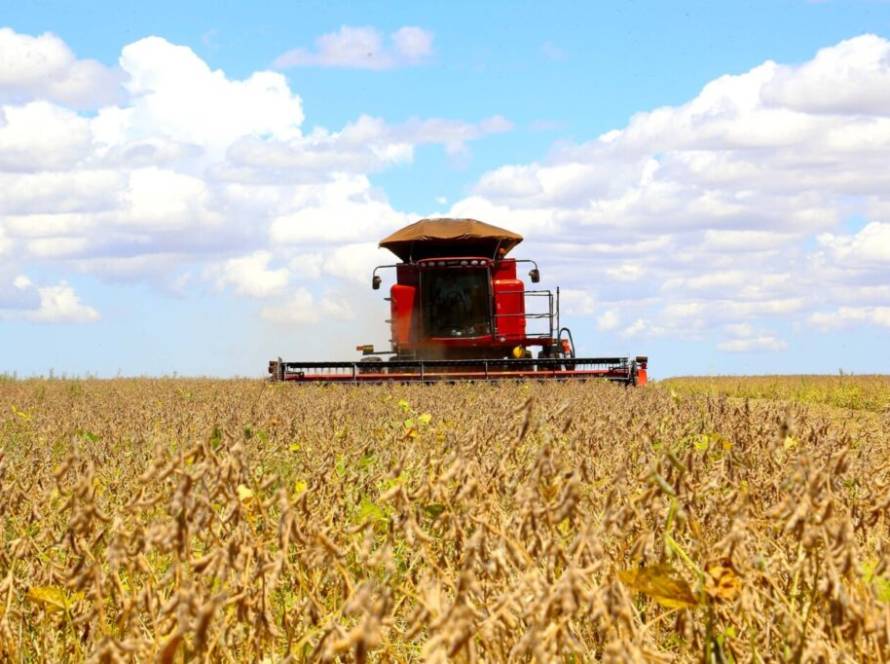
In studies conducted with soybeans, the specialist observed a 5% increase in production, rising from 80 to 84 sacks per hectare. The results also indicated a favorable cost-benefit ratio for the producer.
The action of biostimulants involves processes such as photosynthesis, metabolism, and regulation of stomatal opening. With less energy expenditure to cope with adverse conditions, plants are able to direct more resources to development and production.
Moretti points out that the use of these technologies is also growing in corn, cotton, and vegetable crops. For the 2026/27 harvest, the researcher highlights concerns related to El Niño, with the possibility of intense rainfall in the South and part of the Southeast, as well as drought and heat in other producing regions.
“This active ingredient did not exist in Brazil. It is a less complex organic compound than synthetic compounds, in terms of its action on plant metabolism,” assesses Luiz Moretti. The researcher participated in the entire development process of the new biostimulant at Unesp. “The plant treated with GLLc reformulates its physiology through biostimulant interference, in response to environmental conditions,” he concludes.