 EN
 PT_BR

Histórico de 20 safras mostra produtividade de soja 3,4% superior à média em anos do fenômeno climático no estado; especialista da Stoller alerta que excesso de chuva reforça a importância do manejo fisiológico
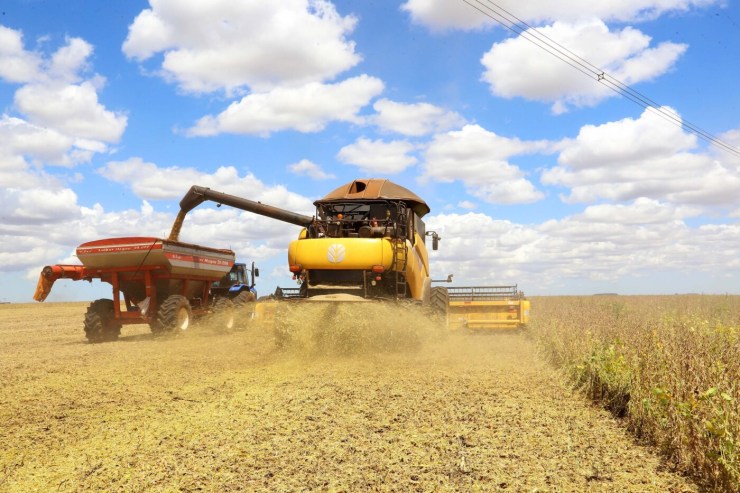
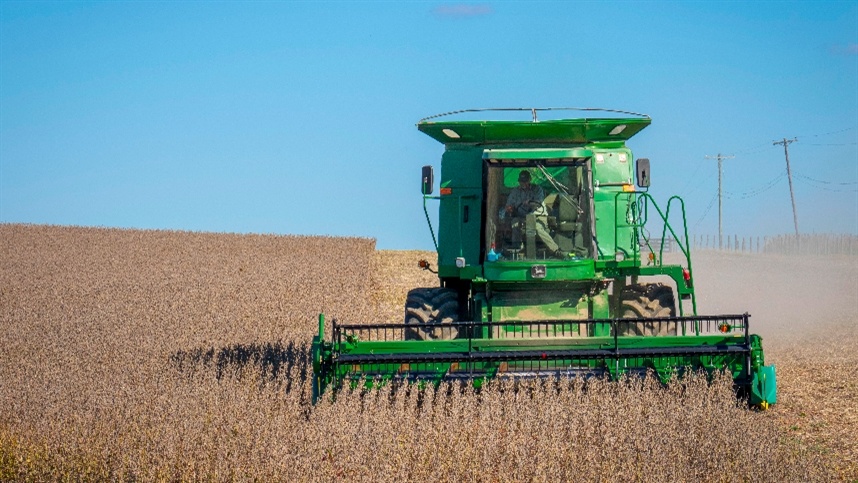
Quando o assunto é El Niño, a preocupação mais comum no campo é com excesso de chuvas em algumas regiões do Brasil. No Mato Grosso do Sul, o fenômeno pode criar condições favoráveis para a soy. Um levantamento do histórico de 20 safras (de 2004/05 a 2024/25) no estado, realizado pela Stoller, marca de biológicos da Corteva Agriscience, mostra que os anos sob influência do El Niño registraram, produtividade 3,4% acima da média, de acordo com levantamentos da Companhia Nacional de Abastecimento (Conab), cruzado com os dados climáticos históricos. O dado indica que, dependendo da região e da distribuição das chuvas, o fenômeno pode representar uma oportunidade, desde que o produtor esteja preparado para lidar também com os períodos de excesso ou irregularidade hídrica.
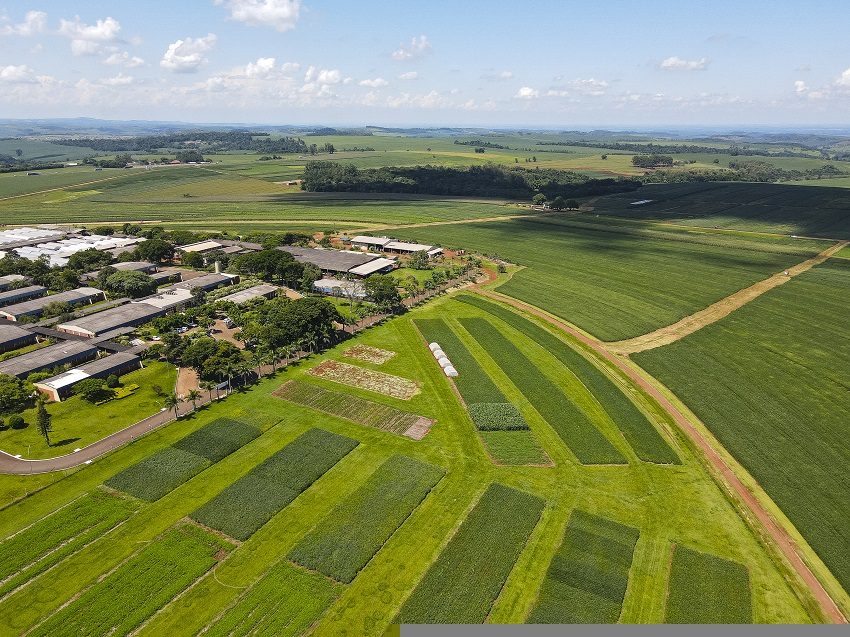
The scenario gains relevance given the expansion of soybean cultivation in the state. For the 2026/27 harvest, the cultivated area is estimated at 4.874 million hectares, a growth of 5.51 TP4T compared to the previous cycle. Production, in turn, is projected at 15.331 million tons, with an average productivity of 52.4 sacks per hectare, according to estimates based on the average of the last five years of the SIGA-MS Project, by Aprosoja/MS in partnership with the State Government and Famasul.
The influence of El Niño, however, is not uniform across the state. At the start of this growing season, rainfall patterns already show this difference. In the Central-South region, rainfall has favored plant stand establishment, but has also increased the risk of surface soil sealing, which can hinder seedling emergence. In the North, on the other hand, irregular rainfall has limited planting progress, with expectations of accelerated planting from the second half of October.
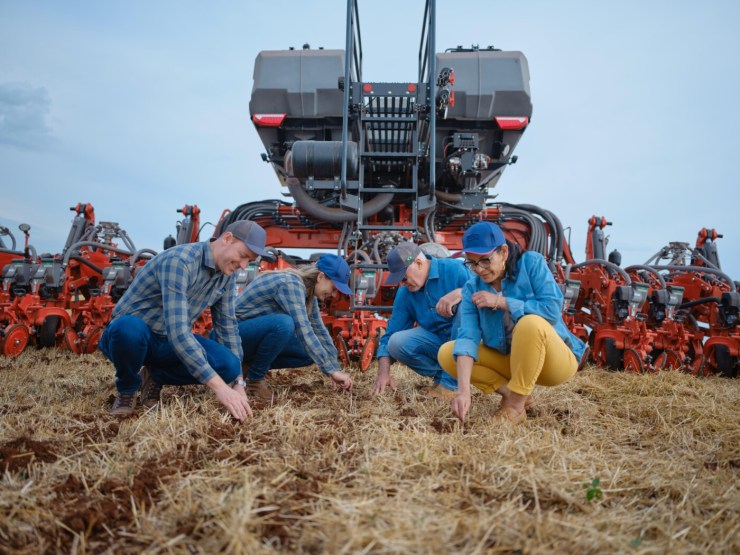
For Fernanda Patrício, Marketing Manager at Stoller, the challenge lies precisely in transforming water availability into conditions that are effectively favorable to plant development. “The effects of climate cannot be controlled by the producer, but it is possible to prepare the plant to respond better to different scenarios. In an El Niño year, we can have regions benefiting from greater water availability, but also periods of excessive rain, heat, and variations that impose stress on the crop. Therefore, working on the development of the root system, hormonal balance, plant architecture, and nutritional efficiency is important to better utilize available resources and protect productive potential,” she emphasizes.
When excess water also becomes a challenge.
Although greater water availability can be positive for crops, intense and concentrated rainfall can cause temporary waterlogging and reduce the availability of oxygen in the soil. The result is known as hypoxic stress, which compromises root system activity and can affect water and nutrient absorption.
According to Fernanda, the impacts can be reflected in different components of productivity. “A less functional root system, for example, can limit the formation of new productive branches and nodes, as well as compromise processes related to Biological Nitrogen Fixation (BNF). Prolonged periods of cloudiness reduce the availability of radiation for photosynthesis, which can affect the formation and retention of reproductive structures,” she points out.
The state's own history reinforces that rainfall, in isolation, does not determine the outcome of the harvest. The 2023/24 season, for example, showed a negative deviation of 13.1% in relation to the productivity trend, even under the influence of El Niño. In this context, physiological management becomes important so that the crop can better respond to the conditions encountered throughout the cycle.
Physiological management to take advantage of the crop's potential.
To help prepare the plant in this context, the focus needs to be on strengthening the crop's yield components, namely the number of pods per square meter (m²), the number of grains per pod, and grain weight. The physiological concept soy Forte da Stoller visa trabalhar exatamente esses componentes, composto por três ferramentas de manejo: o Stimulate 10X, regulador de crescimento que combina hormônios promotores para contribuir para o equilíbrio hormonal e o desenvolvimento da planta, incluindo processos relacionados à fotossíntese; o Hold atuando na redução dos efeitos associados ao estresse, contribuindo para a manutenção do potencial produtivo da planta e redução dos níveis de etileno; e a tecnologia Mover, que por sua vez, é um complexo de micronutrientes desenvolvido para melhorar a eficiência da planta durante a fase de enchimento de grãos, onde a planta ainda está em constante atividade e vários nutrients são cruciais nesse processo.
Another indispensable tool in crop management, aimed at fixing and making nitrogen available to the plant, is the BlueN® biological solution, which promotes greater accumulation of the nutrient by the plant in an innovative way, through a bacterium that enters the leaf. Among the advantages of BlueN® are the supply of nitrogen and the high stability of its increase. Stoller's solution integrates efficiently into the producer's fertilization program, functioning as a supplementary source of nitrogen that combines efficiency and sustainable management.
“In a harvest marked by the influence of El Niño, therefore, the challenge lies not only in coping with the climate, but in taking advantage of favorable conditions without losing sight of stressful moments. For the producer in Mato Grosso do Sul, understanding regional differences and preparing the plant to respond to fluctuations throughout the cycle can be crucial in transforming a potentially positive climatic scenario into productivity,” concludes Fernanda.