 EN
EN  PT_BR
PT_BR 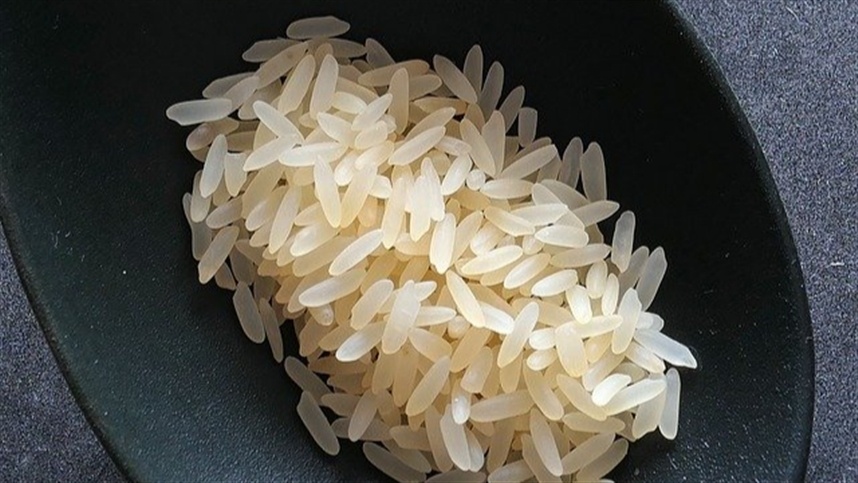
Planting rice The 2026/2027 crop is progressing at different paces in Rio Grande do Sul, but the heavy rains are already causing flooding, soil erosion and delays in operations in producing areas. According to data released by Emater/RS-Ascar this Thursday (08), sowing is more advanced in the Western Border, while regions such as Bagé are facing interruptions due to excess water.
The planting of rice crops shows differences between the administrative regions of the State. In the Southern Region, sowing has progressed significantly, while in the Western Border region, planting has reached approximately 50% of the area in some municipalities. Despite the progress in certain locations, excessive rainfall restricts the continuation of operations. In some areas, work depends on the reduction of soil moisture and river levels.
Land preparation continued where conditions permitted. However, heavy rainfall caused flooding in lowland areas and near waterways, as well as soil erosion and nutrient loss. These problems may compromise crop establishment and the productive potential of the most affected areas.
The area projected by the Rio Grande do Sul Rice Institute (IRGA) for rice cultivation in the 2026/2027 harvest is 861,779 hectares. According to data released by Emater/RS-Ascar, the initial productivity is estimated at 8,741 kg/ha. In the Bagé administrative region, significant rainfall has practically halted planting progress. In São Gabriel, Rosário do Sul, and Santa Margarida do Sul, areas were affected by flooding and are being evaluated to determine the need for replanting and repairs to irrigation and drainage systems. Damage caused by soil and fertilizer loss, as well as delays in plant development, has also been observed.
In the Pelotas administrative region, the planted area increased from 8% to 21% of the regional estimate during the analyzed period. The planted crops are entirely in the vegetative development phase. In Santa Maria, just over 10% of the planned area has already been planted. In Formigueiro, in the floodplain areas of the Vacacaí and São Sepé rivers, the forecast of new rains worries producers due to the risk of a reduction in the area actually planted.
In the Santa Rosa region, crops near the rivers were temporarily flooded due to rising water levels. Despite this, the flooding period was relatively short.
In the Soledade administrative region, producers continued preparing areas for pre-germinated rice cultivation, and planting began on some properties. There is also planting using the dry-soil sowing system. However, frequent and heavy rains have hampered both soil preparation and sowing. Up to the analyzed period, the planted area corresponded to 7%. The progress of planting in the producing regions will depend on soil moisture conditions and the reduction of river levels, especially in areas subject to flooding.