 EN
EN  PT_BR
PT_BR 
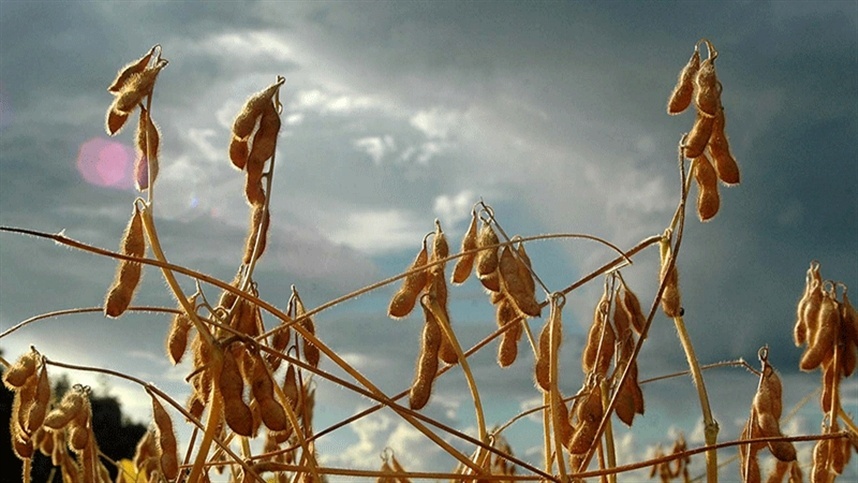
THE soy It requires attention from the first weeks after sowing to achieve the expected performance and preserve the productive potential. With the start of planting for the 2026/2027 crop in some regions of Brazil, monitoring the stand, weeds, insects, water availability, and diseases helps producers identify problems and guide management at the appropriate time.
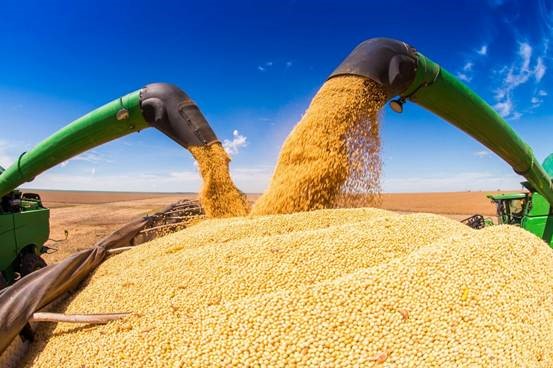
Brazil produced 180.4 million tons of soybeans in the 2025/2026 crop year, a growth of 5.21% compared to the previous cycle, according to data released by the National Supply Company (Conab) in its most recent survey.
Crop monitoring should begin immediately after sowing. According to Rafael Toscano, commercial seed manager at ORÍGEO, a joint venture between Bunge and UPL specializing in sustainable solutions and integrated management for large farmers in the Cerrado region, the producer's work goes beyond planting the crop. “The producer's work doesn't begin with sowing. It's necessary to closely monitor the crop's development to quickly identify any phytosanitary challenges and make decisions before they compromise the stand and productivity,” emphasizes Toscano.
One of the first points of attention is the formation of the plant stand. Failures in emergence, unevenness, and localized problems may indicate soil compaction, water deficiency, pest infestation, or other conditions that need to be investigated. "Monitoring the areas in the first few weeks helps the producer understand how the crop is responding and whether development is occurring uniformly," explains the specialist.
Weed control is another important aspect of soybean cultivation in its early stages. According to the Brazilian Agricultural Research Corporation (Embrapa), competition for water, light, and nutrients can compromise crop development, especially between 10 and 50 days after emergence. During this period, monitoring helps identify the presence of weeds and guide management measures, reducing competition for resources necessary for soybean growth.
The presence of insects also requires monitoring from the beginning of the cycle. Embrapa recommends Integrated Pest Management (IPM), a strategy that considers different factors before defining control measures. Among the aspects evaluated are the identification of the species, the insect population, the stage of crop development, and the presence of natural enemies. The combined analysis of this information allows for guiding management decisions according to the conditions observed in the field.
Soil moisture needs to be monitored throughout the entire production cycle. Even well-established crops can have their performance compromised when faced with periods of water deficit. Observing soil conditions, plant development, and weather forecasts helps the producer interpret what is happening in the field and organize management operations.
Phytosanitary monitoring should continue even when plants show good development. Identifying the first symptoms of diseases allows for investigating their causes and assessing the need for intervention. Asian soybean rust is an example of a disease that requires attention. According to Rafael Toscano, monitoring is one of the tools used to guide management and prevent the disease from spreading uncontrollably. Frequent observation of crops, therefore, contributes to identifying problems early and informing decisions throughout the soybean cycle.