 EN
EN  PT_BR
PT_BR 
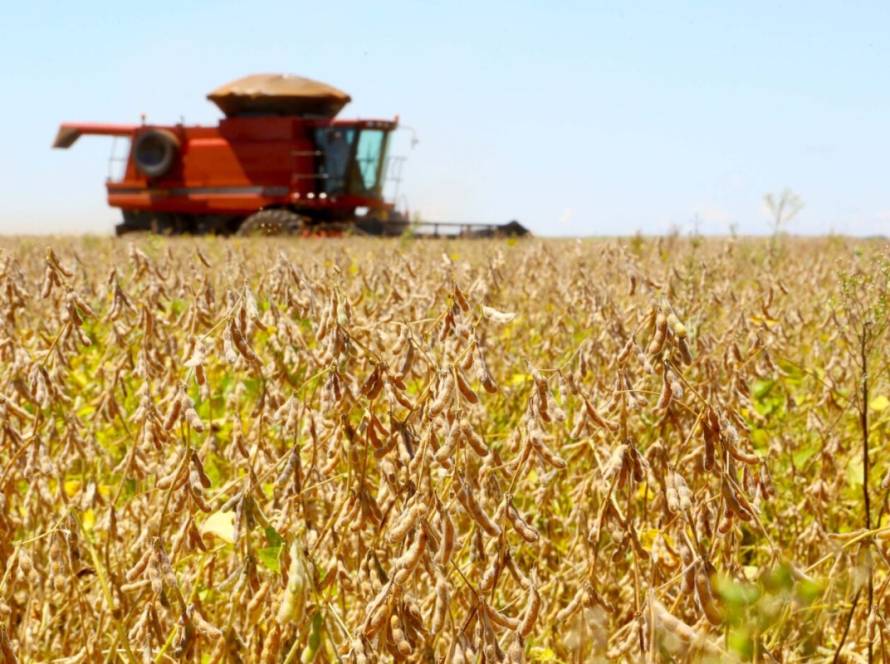
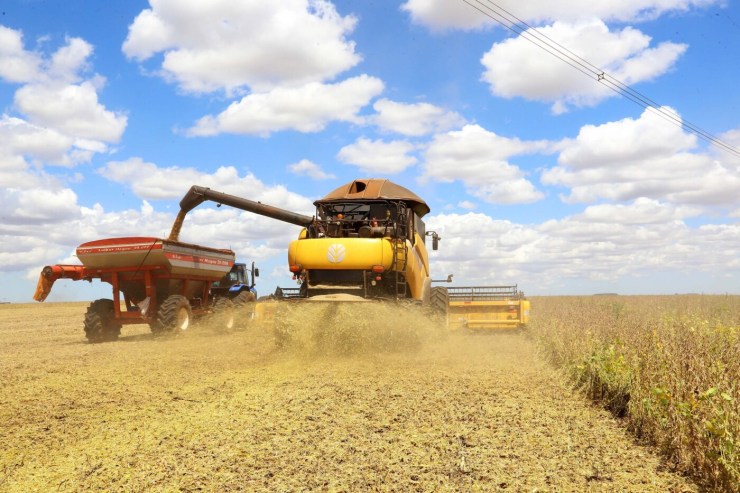
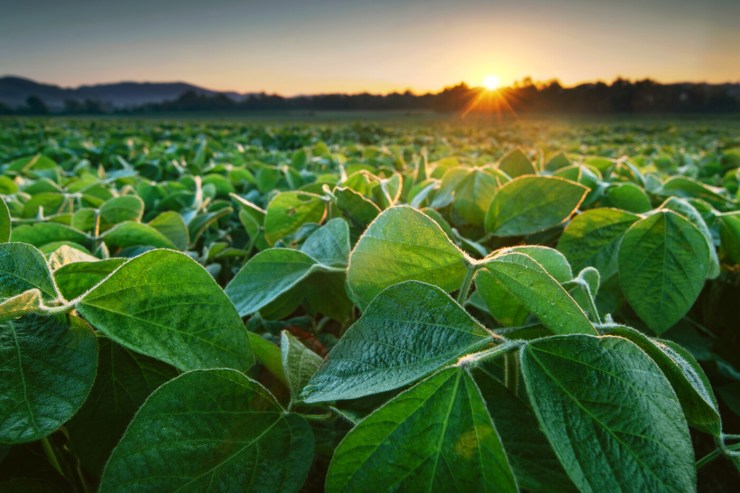
The cultivation of soy The 2025/26 crop season showed distinct trends, with an expansion of planted area in two states and a contraction in another. According to a survey by Serasa Experian, Pará and Tocantins together expanded their oilseed area by approximately 175,000 hectares compared to the previous cycle, while Minas Gerais registered a reduction of approximately 85,000 hectares.
In Pará, the expansion was 100,000 hectares, bringing the cultivated area to 1.3 million hectares. Cumaru do Norte led the municipal expansion, with 12,987 hectares, followed by Santana do Araguaia (6,906), São Félix do Xingu (6,851), Dom Eliseu (6,648) and Conceição do Araguaia (6,632). In the last six harvests, the soybean area in the state grew by 92.7%.
Tocantins added 75,000 hectares, reaching a total of 1.7 million hectares. Lagoa da Confusão had the largest increase, with 8,181 hectares. This was followed by Pium (5,151), Campos Lindos (5,042), Araguaína (3,260), and São Valério (3,181). Over six harvests, the accumulated growth reached 44.41 TP4T.
In Minas Gerais, soybeans occupy 2.75 million hectares and have lost ground for the second consecutive year. Even so, there was expansion in Unaí (4,321 hectares), Tupaciguara (3,313), Conceição das Alagoas (2,670), Conquista (2,504) and Ituiutaba (2,260). In the state, first-crop corn advanced by approximately 95,000 hectares, reaching 500,000 hectares.
The study also identified 211,000 hectares of soybean cultivation on properties with records of vegetation suppression considered according to the socio-environmental criteria of the Rural Credit Manual. This occurrence alone does not constitute an environmental irregularity.