 EN
EN  PT_BR
PT_BR 
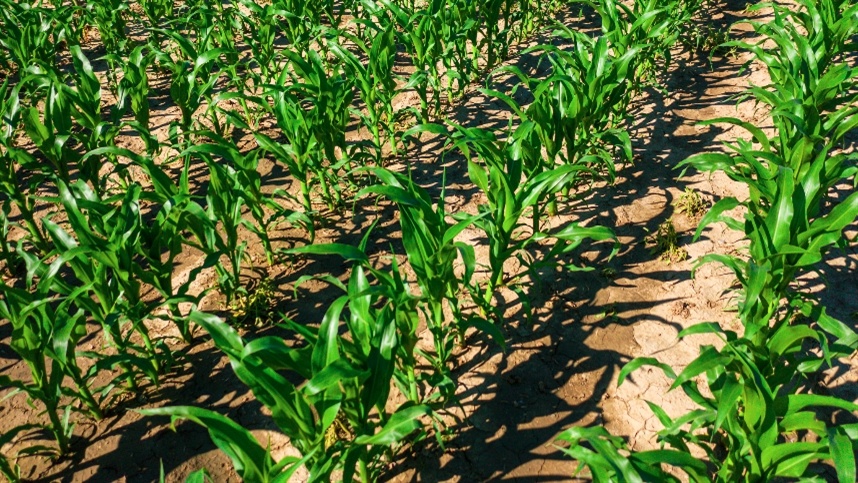
The choice of forage crop in the consortium with corn This can have a direct impact on grain productivity and system performance. Research conducted in Jaboticabal showed that different types of brachiaria grass exhibit distinct levels of competition with the crop.
The study by the Faculty of Agricultural and Veterinary Sciences at UNESP compared maize alone, maize intercropped with the hybrid Brachiaria Mavuno, and maize with Brachiaria ruziziensis, as well as different nitrogen doses. The experiment took place between October 2025 and April 2026.
Corn intercropped with Mavuno maintained productivity equivalent to that of monoculture. However, the use of ruziziensis reduced grain production by approximately 13%. When comparing the intercropping systems, the difference reached 1,332 kilograms per hectare, approximately 22 sacks in favor of the system with Mavuno.
Considering the average price of R$ 65.55 per sack in July 2026, this difference would represent approximately R$ 1,450 per hectare in additional gross revenue. On 100 hectares, the value could reach approximately R$ 143,000.
According to the research, the result is related to the initial development of the forage plants. Ruziziensis showed more aggressive growth and greater competition with corn, while Mavuno had more balanced development. In exclusive cultivation, the hybrid also produced 14,280 kg of dry matter per hectare, compared to 9,603 kg/ha for ruziziensis.
“Intercropping is not a one-size-fits-all solution. Each material has a different agronomic behavior, and this needs to be considered when making decisions. Studies like this help producers choose based on evidence, understanding how the Mavuno hybrid brachiaria can contribute to preserving corn grain production and strengthening the production system as a whole,” concludes Tiago Penha Pontes, agronomist and technical manager at Wolf Seeds.