 EN
EN  PT_BR
PT_BR 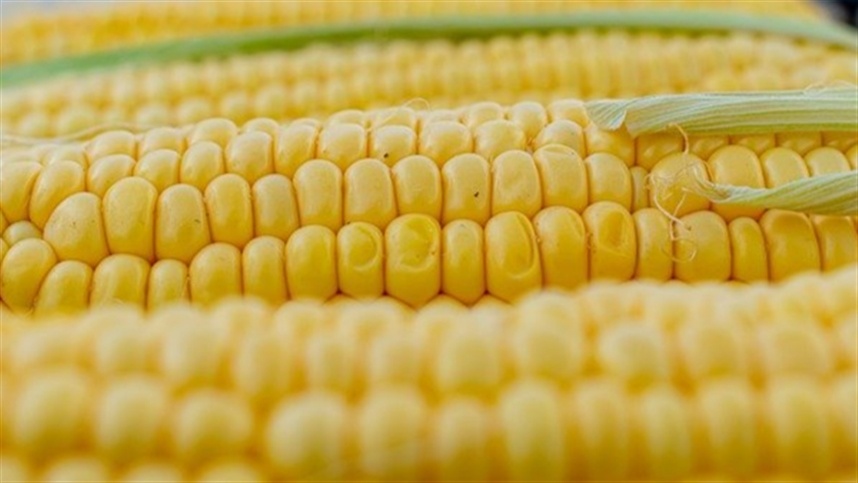
The harvest of corn According to data released by the Mato Grosso Institute of Agricultural Economics (Imea), the state is expected to produce 53.68 million tons of soybeans in 2026/27. The estimate considers an area of 7.48 million hectares and a productivity of 119.64 sacks per hectare. The projection indicates a decrease of 7.501 TP4T in production compared to the previous cycle, while productivity will fall by 8.051 TP4T. The scenario considers the possible impacts of El Niño on rainfall distribution throughout the season.
According to data released by Imea, the area dedicated to corn in Mato Grosso in the 2026/27 crop season is estimated at 7.48 million hectares. This number represents an increase of 0.591 TP4T compared to the area recorded in the 2025/26 crop season. Despite the increase in area, the projected productivity is 119.64 sacks per hectare, a decrease of 8.051 TP4T compared to the previous cycle. The reduction reflects a more conservative expectation given the possible effects of El Niño on rainfall distribution during crop development.
With a combination of larger planted area and lower productivity, corn production in Mato Grosso is estimated at 53.68 million tons. According to data released by Imea, this volume represents a decrease of 7.50% compared to the previous harvest. Rainfall patterns throughout the cycle will be one of the factors monitored to assess the season's productive potential.
One point of concern for the corn harvest is the initial pace of soybean planting in Mato Grosso. According to data released by Imea, soybean planting began at a slower pace in the state. If this scenario persists, the planting window for the second corn crop could be reduced. On the other hand, if rainfall becomes regular throughout October, the high operational capacity of the farms could accelerate the work and recover some of the initial delay in soybean planting.
Soybean planting progressing within a period considered favorable could contribute to a significant portion of the corn being sown within the ideal window. According to data released by Imea, this scenario would also help reduce the crop's exposure to climatic risks at the end of the cycle. Therefore, rainfall patterns in October and the pace of soybean planting will be crucial for the planting conditions of the second corn crop in Mato Grosso.