 EN
EN  PT_BR
PT_BR The global transition to a low-carbon economy is already beginning to produce concrete effects in one of the most strategic regions of Brazilian agribusiness. A study by Agenda Pública indicates that municipalities in the state of Mato Grosso, the largest center of extensive livestock farming in the country, may face significant impacts on employment and competitiveness in the coming years.
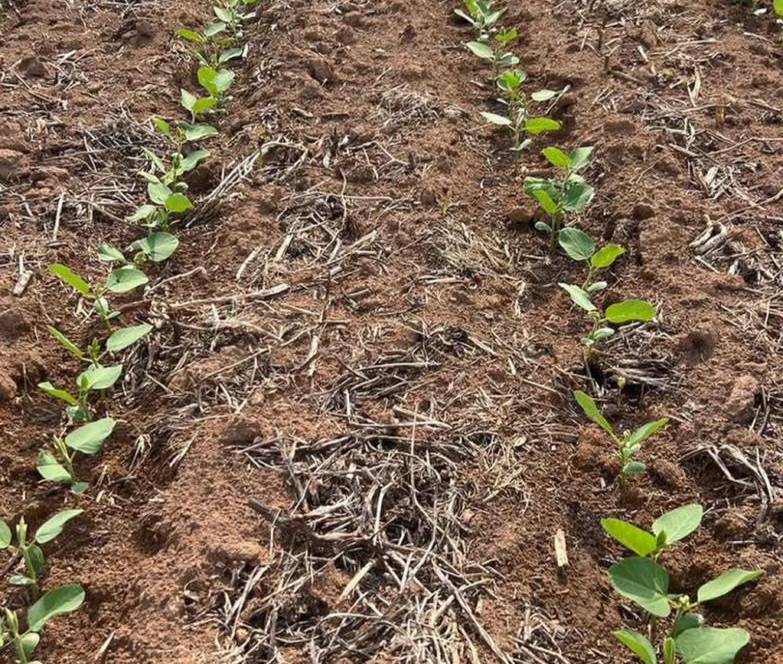
The "Jobs of the Future" survey analyzed data from 2018 to 2024 and identified a strong economic dependence on agriculture in five municipalities in Mato Grosso: Diamantino, Sorriso, Campo Novo do Parecis, Nova Ubiratã, and Sapezal. Together, these cities account for more than 22,000 formal jobs linked to extensive agriculture.

Photo: Jonathan Campos
In some areas, the dependence is even more pronounced. In Nova Ubiratã and Sapezal, for example, more than half of formal jobs and total wages are directly linked to the agricultural sector.
According to the study, this concentration makes local economies more vulnerable to fluctuations in the international market, extreme weather events, and new environmental demands imposed by buyer markets, especially in export-oriented supply chains.
Without adaptation strategies, the risk is loss of competitiveness and difficulty accessing markets that are increasingly demanding in terms of environmental and sustainability criteria.
Pathways to modernization
While highlighting risks, the survey also identifies opportunities for productive transformation in the field. Sustainable technologies and practices can boost productivity gains and create new demands for skilled labor.
Among the solutions mentioned are precision agriculture, the use of bio-inputs, and the expansion of integrated crop-livestock-forestry systems (ILPF), a production model that combines different agricultural activities in the same area.
The research estimates that approximately 2 million hectares of integrated crop-livestock-forestry systems (ILPF) will be implemented by 2030, expanding the potential for job creation and strengthening the sustainability of agricultural production.
Rural youth at the heart of the transformation.

Another point highlighted in the study is the role of rural youth in this transition process. The municipalities analyzed concentrate a significant portion of the population aged between 15 and 29 years, a group that can play a decisive role in the modernization of the sector.
The research warns, however, that the potential of this generation depends on professional training policies and the creation of opportunities linked to the so-called green economy. Without these initiatives, there is a risk of increased economic exclusion in rural areas.
Public policies in progress
The report also analyzes ongoing initiatives that seek to stimulate more sustainable production in the state, including the Mato Grosso Sustentável (Sustainable Mato Grosso) and MT Mais Verde (Greener Mato Grosso) programs, and the State Plan for Rural Professional Education.
At the federal level, policies such as the Ecological Transformation Plan and the New Industry Brazil industrial strategy are cited, which include measures aimed at decarbonizing the economy and strengthening sustainable production chains.
Leadership potential
The study concludes that Mato Grosso has the strategic conditions to lead the sustainable transition in Brazilian agribusiness. However, the success of this process will depend on the ability to integrate technological innovation, workforce training, and coordination between the public and private sectors.
In this scenario, experts emphasize that adapting to new environmental and market demands will not only be a challenge, but also an opportunity to redefine the future of work in the field and strengthen the competitiveness of Brazilian agriculture on the international stage.