 EN
EN  PT_BR
PT_BR The Brazilian government announces the opening of markets for the export of Brazil nuts to Japan, processed eggs to Singapore, purified porcine heparin to South Korea, duck and other poultry meat and rabbit meat to Egypt, and bovine bone byproducts for gelatin production, horns and hooves for industrial use to India.
Japan, with approximately 124 million inhabitants, imported over US$1.5 billion worth of Brazilian agricultural products in 2024, and demands high-quality ingredients for baking, confectionery, and snacks, a niche in which Brazil nuts stand out due to their selenium content. This opening generates gains for Brazilian producers and processors, in addition to expanding the range of suppliers for the Japanese industry.

Photo: Disclosure/OPR Archive
As for Singapore, the country's health authorities have authorized the export of processed eggs from Brazil. The Asian country, with over 6 million inhabitants, imports more than 90% of the food it consumes. In this context, the consumption of the hotel and restaurant sector demands standardized inputs, such as processed eggs, which offer a longer shelf life and operational stability.
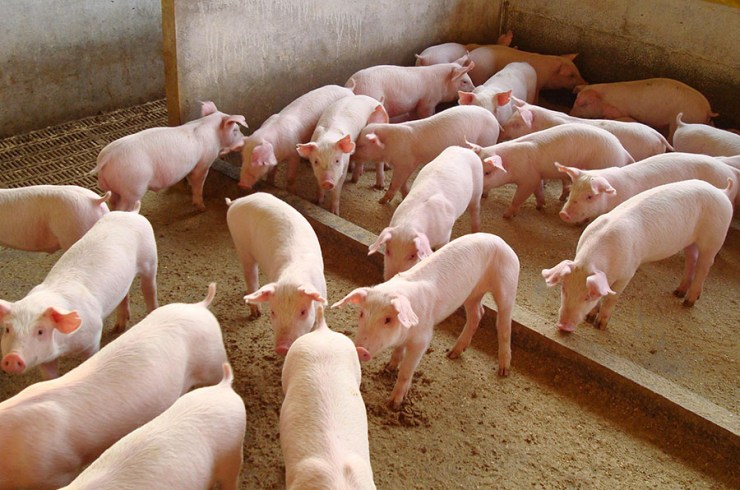
South Korea has authorized the export of purified porcine heparin from Brazil, used as an active pharmaceutical ingredient in anticoagulant medications. The country, with over 51 million inhabitants, imported nearly US$$3 billion in Brazilian agricultural products last year, notably soy complex, sugar and ethanol complex, cereals, flours, and preparations.
It is worth highlighting that, from January to September of this year, market openings to the Asian continent corresponded to 37% of the accumulated total for 2025.
For Egypt, a significant partner of Brazil in animal protein, the country's health authorities have authorized the export of duck and other poultry meat, as well as rabbit meat. The country has been increasing its purchases of Brazilian poultry in several cycles, due to recognition of halal certification and the predictability of supply.
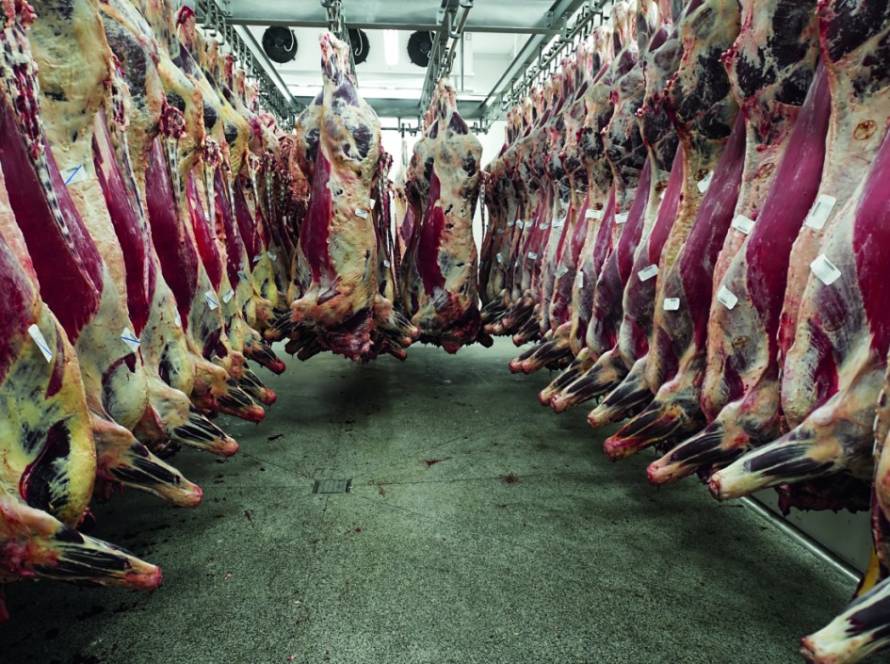
During the Vice President's mission to India, an agreement was reached to export bovine bone, horn, and hoof byproducts, which should contribute to the circular economy and add value to the Brazilian livestock complex. These byproducts have multiple industrial uses, such as raw material for gelatin, as well as inputs for the textile industry.
With these announcements, Brazilian agribusiness has gained 460 new opportunities since the beginning of 2023.
The results reinforce the strategy of diversifying destinations and products, including higher value-added items, and are the result of joint work by the Ministry of Agriculture and Livestock (Mapa) and the Ministry of Foreign Affairs (MRE).