 EN
EN  PT_BR
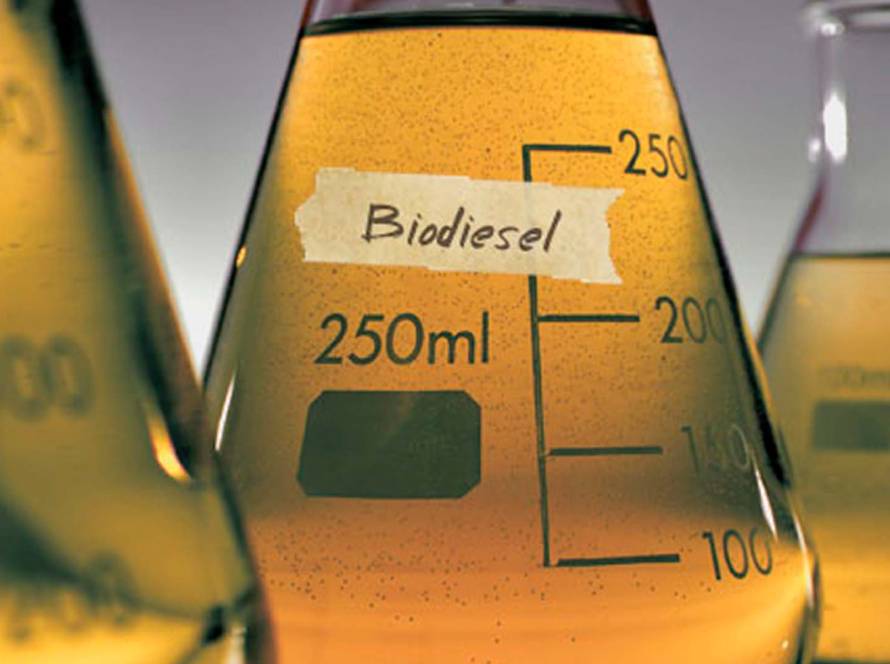
PT_BR The SADA Group – the largest logistics and transportation conglomerate for new vehicles in Latin America – announces an investment of R$1.1 billion in two innovative corn ethanol projects, being implemented in plants located in the cities of Jaíba (MG) and Montes Claros de Goiás (GO). With the adaptation to the "flex" model in the plants, the SADA Group will have the capacity to operate continuously throughout the year, with greater efficiency and synergy, mitigating the seasonality of sugarcane and guaranteeing a more stable supply of biofuel in the market.
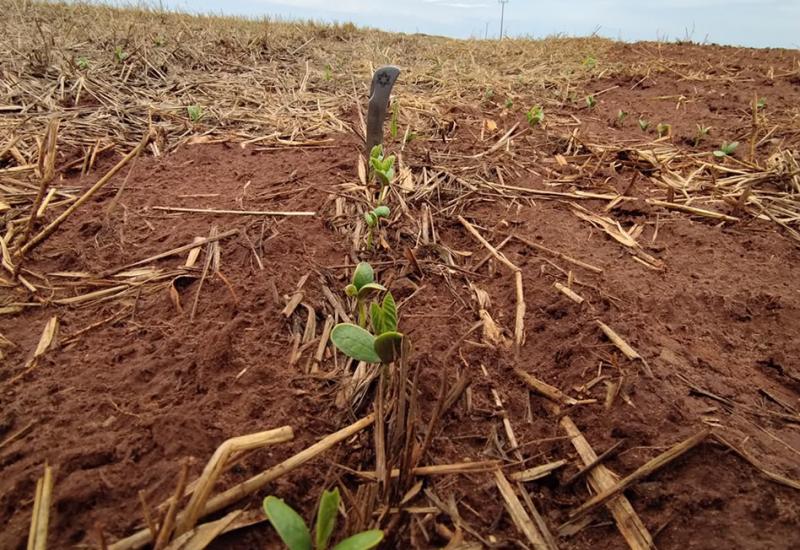
To ensure the supply of corn, the Group will begin roadshows in September aimed at producers in the municipalities of Canarana and Querência (MT), Rio Verde and Paraúna (GO), and Luis Eduardo Magalhães (BA). Other events, with dates yet to be determined, will take place in the cities of Montes Claros de Goiás (GO) and Jaíba (MG). The objective is to establish solid partnerships for the continuous supply of the new operations.
“The dynamism of this market is evident, and this investment is strategic for expanding our operations in the agribusiness sector, diversifying our portfolio, and strengthening our position in one of the most promising segments of the Brazilian economy. The idea is to take advantage of the high demand for solutions that combine a presence in a sector where Brazil is competitive with the need for renewable energy production,” explains Vittorio Medioli. The founder and president of the SADA Group further explains that the production of corn ethanol will complement the operation of SADA Combustíveis through its 11 distribution bases in 9 states of the country.
According to the National Union of Corn Ethanol (UNEM), corn ethanol production is expected to reach 15 billion liters annually by 2032, driven by new projects and the use of second-crop corn. The SADA Group's investment reflects this robust growth in the Brazilian biofuel agro-industry sector and stands out for its long-term vision and intelligent use of resources.
Energy will be generated by burning sugarcane bagasse, and the reconfiguration of the plants will allow for the reuse of boilers, steam turbines, power generators, and systems for treating, reusing, and cooling industrial water.
Investment in the plants will also allow for increased revenue from the sale of co-products generated in the process, such as DDGS (Distillers Dried Grains with Solubles), a co-product of corn ethanol production, widely used as a raw material for animal feed due to its high protein content, and vegetable oil. In Montes Claros de Goiás, the forecast is for a volume of 123,000 tons/year of DDGS and 7,500 liters of corn oil. Another advantage of integrating corn with sugarcane is the use of the biomass left over from the sugarcane (bagasse), which can be used to generate steam and energy necessary for corn fermentation.
Project Details
Eber Bio Plant (Montes Claros de Goiás – GO):
- Progress: Work began in the first half of 2025, with 30% of construction already completed;
- Capacity: The unit will have a storage capacity of 160,000 tons/year;
- Production: Corn ethanol production is projected at 180 million liters/year.
- Co-products: Forecast of 123,000 tons/year of DDGS meal and 7,500 liters of corn oil, valuable products for the manufacture of animal feed.
- Timeline: Projected start of industrial production operations in the second half of 2026.
SADA Bioenergia Plant (Jaíba – MG):
- Progress: Project currently undergoing environmental licensing;
- Capacity: Storage capacity of 120,000 tons of corn.
- Production: Corn ethanol production is projected at 180 million liters/year;
- Timeline: The silo is expected to be completed in September 2026, with industrial production starting in 2027.