 EN
 PT_BR
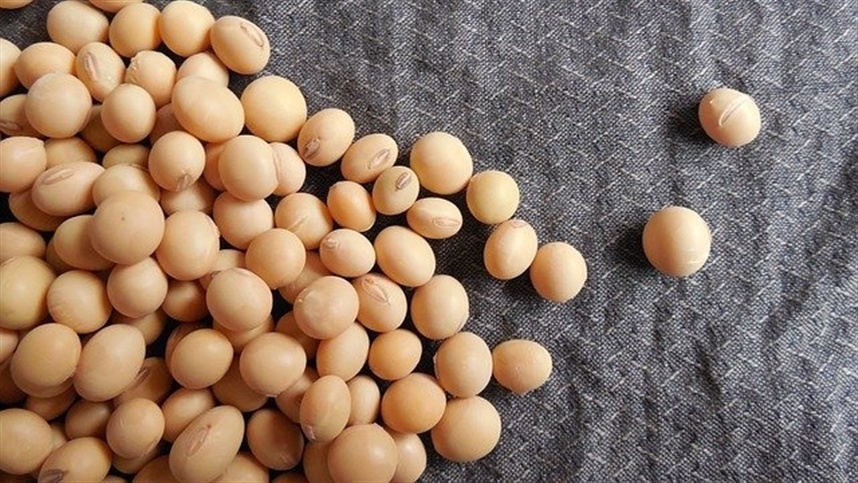
The market of soy The market saw distinct movements in Brazil and the United States this week, with domestic prices pressured by the falling dollar and Chicago prices below US$ 13 per bushel. According to data released by the International Center for Economic Analysis and Agricultural Market Studies (CEEMA), investors were monitoring the October supply and demand report, while Brazilian planting progressed and the national industry expanded its processing capacity.
On the Chicago Board of Trade, soybean prices remained below US$ 13 per bushel for much of the week. At the close on Thursday (8), the contract reached US$ 12.87 per bushel, compared to US$ 12.84 a week earlier. The market was awaiting the release of the October supply and demand report, scheduled for Friday (9), and monitoring the progress of the harvest in the United States.
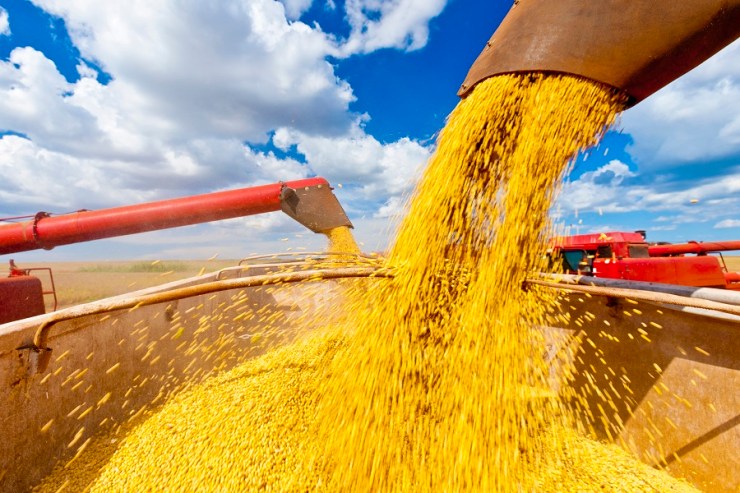
By October 4th, Americans had harvested 251 TP4T of the planted area, below the historical average of 331 TP4T. The delay was associated with excessive rainfall recorded previously. Among the crops still to be harvested, 571 TP4T were in good to excellent condition, 291 TP4T in fair condition, and 141 TP4T in poor to very poor condition.
After three weeks of rain, improved weather in the U.S. Midwest has favored the resumption of the harvest. At the same time, soybean prices underwent technical adjustments following the sharp increases recorded in the previous days, mainly mirroring the drop in soybean oil prices.
On October 7, oil fell to 67.42 cents per pound, compared to 69.58 cents the previous day. The strengthening dollar in the global market also reduced the competitiveness of US commodities in exports.
U.S. soybean exports totaled 1.03 million tons in the week ending September 24, exceeding market expectations. China remained the top buyer, with 589,400 tons, despite soybeans being excluded from the tariff reductions announced by the Chinese government for other U.S. agricultural products.
In the soybean meal market, there were cancellations of 51,100 tons from the 2025/2026 crop, the lowest result of the marketing year. For the 2026/2027 crop, on the other hand, sales of 212,700 tons were recorded, with Guatemala, the Philippines, Mexico, Colombia, and Canada among the main buyers.
US soybean oil sales performed weaker. Only 200 tons of the 2025/2026 crop were traded, all destined for Canada. This volume represented a decrease of 891 TP4T compared to the previous week and 761 TP4T compared to the average of the previous four weeks. No new sales were reported for the new crop.
In the Brazilian market, soybean prices fell during the week, pressured by the devaluation of the dollar. According to CEEMA's analysis, the result of the first round of the presidential elections, with the victory of Flávio Bolsonaro, caused a drop in the US currency, even though the second round was scheduled for October 25th.
During the week, the real was quoted at R$ 4.97 per dollar, a movement that put pressure on export prices for the oilseed.
In Rio Grande do Sul, soybeans were traded at R$ 136.00 per sack, while the state average ended the week at R$ 139.71 per 60-kilo sack, compared to R$ 142.00 the previous week.
In other Brazilian markets, prices ranged between R$ 133.00 and R$ 144.00 per sack, depending on the region. At the ports, firm premiums sustained prices between R$ 155.00 and R$ 160.00 per sack.
Despite pressure on prices, soybean planting progressed in Brazil. As of October 2nd, planting had reached 9.4% of the expected area, above the historical average of 8.8% for the period, according to data from the National Supply Company (Conab).
In Mato Grosso do Sul, planting has reached 181 TP4T of the planned area. The state estimates cultivating 4.87 million hectares in the 2026/2027 crop season, an increase of 5.51 TP4T compared to the previous cycle. Under normal weather conditions, the expectation is to harvest 15.3 million tons.
In Mato Grosso, the Mato Grosso Institute of Agricultural Economics (Imea) projects a production of 48.9 million tons, in an area of 13.05 million hectares. The expected average productivity is 62.4 sacks per hectare. The Brazilian soybean industry increased its processing capacity by 13.1% in 2026, compared to the previous year, driven by demand for meal and oil.
According to data released by the Brazilian Association of Vegetable Oil Industries (Abiove), processing capacity reached 86.4 million tons per year, exceeding the projected processing capacity for 2026, estimated at a record 63.5 million tons.
The increase is especially related to the greater demand for soybean oil for biodiesel production. Soybean meal also plays an important role in the sector, both through Brazilian exports and domestic demand for feed production destined for the meat industry. “In Brazil, soybean oil accounts for the largest share of raw material used for biodiesel production. The country is also the world's second-largest exporter of soybean meal, a product with strong domestic demand as an ingredient in feed used by the meat industry.”
In addition to the expansion already recorded, investments of approximately R$ 7.65 billion were announced in the country. The projects include expansions and new units that could come online within 12 months, with the potential to add 7.4 million tons annually to processing capacity.
The number of active plants increased from 131 in 2025 to 148 in 2026, while the number of idle units fell from 12 to six. The Central-West region concentrates 42.9% of the national capacity, and Mato Grosso leads among the states, with 21.6% of the total.