 EN
EN  PT_BR
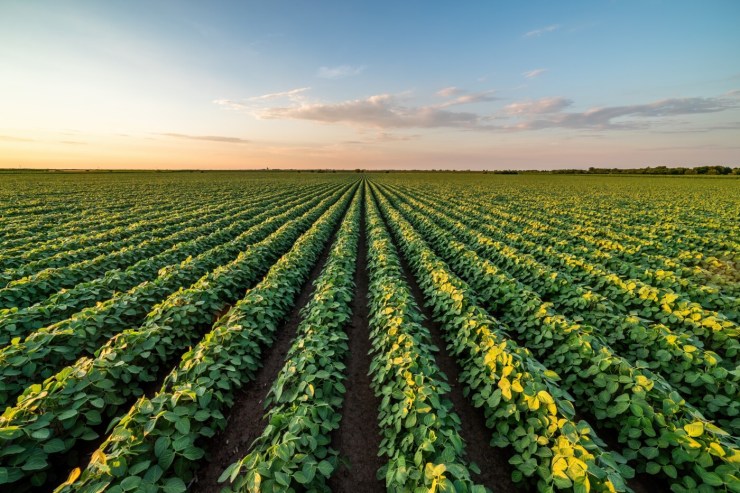
PT_BR The agricultural calendar has opened up space for one of the most anticipated moments for producers in Western Paraná, which is the start of soybean planting for the 2025/26 crop. Since September 1st, the region has been authorized to plant, and producers in some municipalities have taken the first step, signaling the beginning of another productive cycle that promises opportunities.
Soil Preparation
The profitability of farming is directly linked to good planning. To achieve this, the starting point is the soil, which should be analyzed with the same rigor as a blood test, for example. In addition to checking the levels of macro and micronutrients, it is essential to observe the soil pH, which should be between 6.0 and 7.0 to ensure maximum nutrient absorption. Physical issues such as compaction, and biological factors related to life present in the soil, also deserve attention.
At Copagril, producers can rely on the Smart Agriculture program, which offers a complete soil diagnosis, enabling more assertive and secure planning to achieve high productivity.
Right moment

Another crucial factor is the choice of cultivar. Cycle, population, yield potential, technology, plant health, and regional adaptation are criteria that must be carefully analyzed. Furthermore, the sowing season needs to be aligned with climatic conditions.
Copagril professionals emphasize the importance of each producer analyzing the weather forecast, together with their technician, before defining the ideal time to start planting, considering that the possibility of low temperatures requires extra attention, as the cold can delay germination and plant emergence, reducing productive potential.
Technical guidance
According to Copagril's technician, Lucas Dantas, this start of the harvest season should be conducted with caution and strategic vision. “We are beginning a decisive moment for our agriculture, which is the sowing of the 25/26 summer soybean crop. Every choice now can reflect on the profitability of the crop later on. It is fundamental that the producer makes a good plan, evaluating soil analysis, choosing the cultivar, and also defining the right sowing time,” comments Dantas.
Crop figures
According to data from the State Secretariat of Agriculture and Supply (Seab) and the Department of Rural Economy (Deral), the Toledo region is expected to sow 492,000 hectares of soybeans in the 25/26 crop season. To date, approximately 4,900 hectares have already been planted, representing 1% of the total area planned.
Copagril emphasizes that its technical teams are available at all units to assist cooperative members in structuring the best plan, ensuring safety and efficiency at the start of this new agricultural cycle.