 EN
EN  PT_BR
PT_BR 
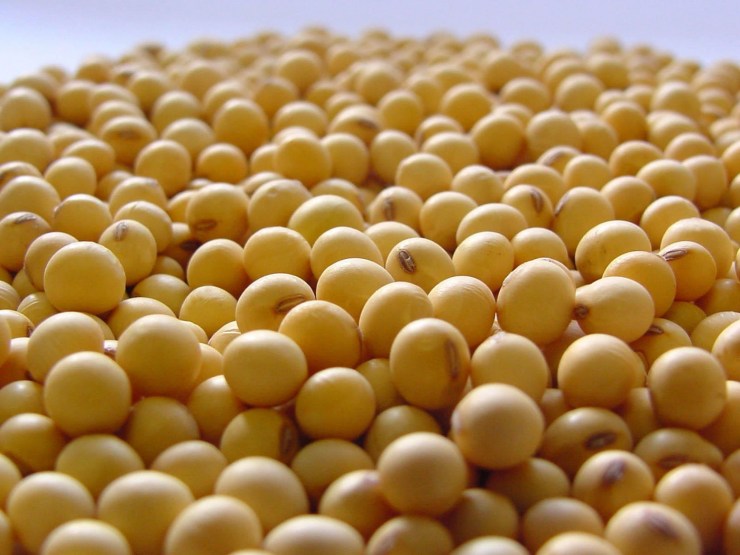
The prices of soy In Brazil, yields are between R$ 138 and R$ 145 per sack, while planting for the 2026/27 crop has gained momentum, reaching 3.9% of the planned area by September 25th. According to data released by the International Center for Economic Analysis and Agricultural Market Studies (CEEMA), the market is also monitoring the pace of exports and the impacts of rainfall on shipments and crops.
With the exchange rate around R$ 5.17 per dollar and port premiums near US$ 1.80 per bushel, soybean prices ranged between R$ 138 and R$ 145 per sack for producers. A year ago, prices were between R$ 116 and R$ 123 per sack. In Rio Grande do Sul, the main markets practiced R$ 140 per sack.
Brazilian soybean exports reached 6.53 million tons by the fourth week of September, according to data from Secex. Based on the daily average, the pace of shipments is 8.71 TP4T above that recorded in September 2025. Anec estimates that Brazil exported 7.24 million tons of soybeans throughout the month of September.
If the volume is confirmed, it will be the lowest monthly result of the year since January. The reduction occurs as supply decreases after the high shipments recorded in previous months.
Excessive rainfall also hampered exports in September, disrupting port activities. From January to September, Anec projects Brazilian soybean exports of 101.5 million tons. The organization also reduced its estimate for corn exports in September to 5.4 million tons, compared to almost 7 million tons in the same month of 2025.
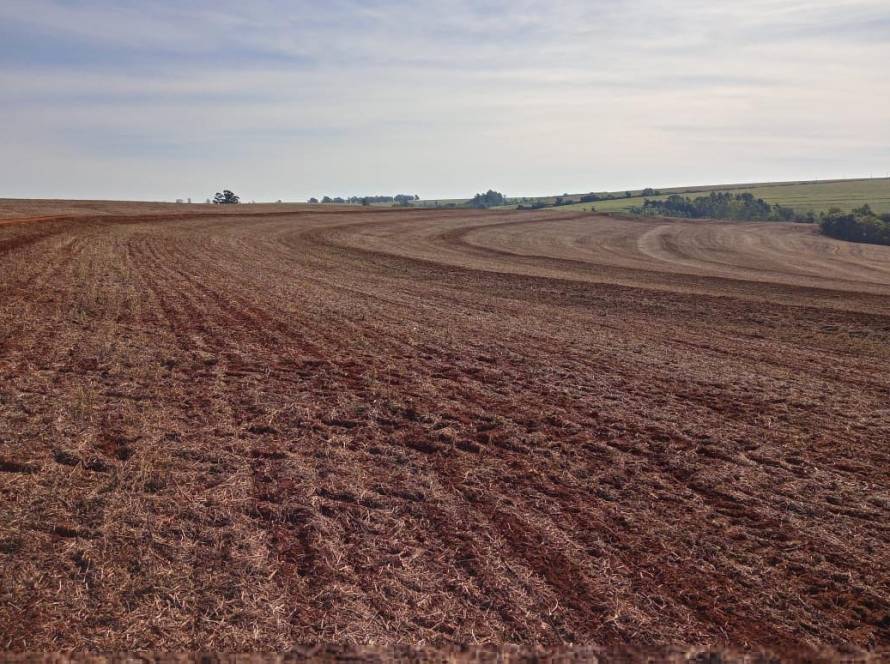
Planting of the 2026/27 Brazilian soybean crop accelerated last week, reaching 3.91 TP4T of the planned area by September 25th. According to data released by Conab, this figure is above the 3.51 TP4T recorded in the same period of 2025 and also surpasses the average of 3.61 TP4T of the last five harvests. This progress occurs while producers monitor soil moisture conditions and rainfall patterns in the main producing regions.
In Paraná, the planting of the 2026/27 soybean crop reached 28% of the planned area. According to data released by Deral, excessive rainfall has hampered operations in some regions. Localized damage caused by hail was also recorded. The high humidity also favored the proliferation of weeds, increasing the need for management in areas that have not yet been sown. This scenario keeps producers attentive to the pace of operations and weather conditions as the new crop progresses.