 EN
EN  PT_BR
PT_BR 
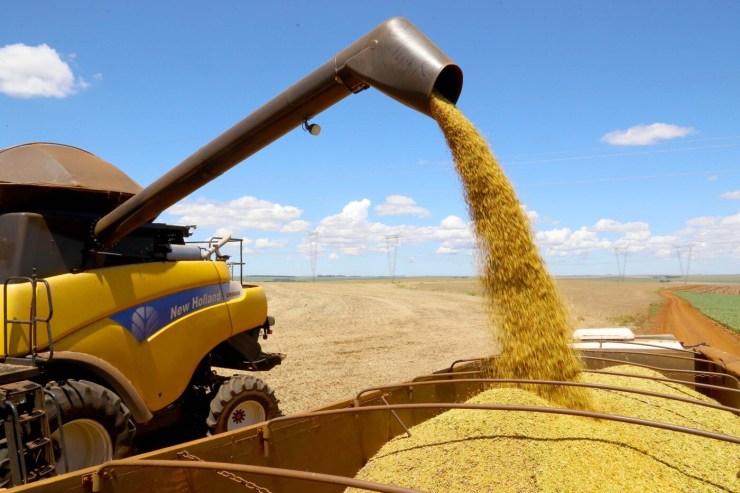
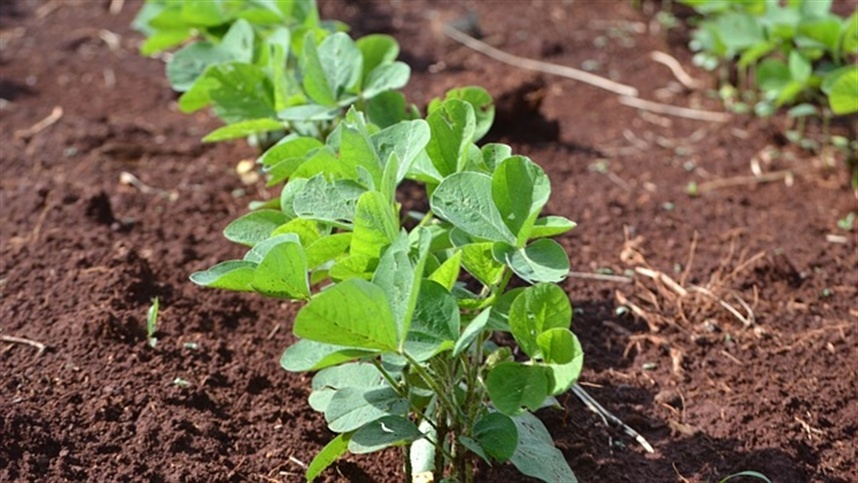
The choice of roofing plant can directly affect the performance of soy cultivated in sequence. A study conducted in the 2025/26 growing season in Rio Verde (GO) recorded productivity gains of up to 8.1 sacks per hectare compared to cultivating the oilseed after corn.
Conducted by GAPES ICT, the research evaluated six treatments. The reference area, with corn planted alone before soybeans, reached 77.1 sacks per hectare. With the Mavuno hybrid brachiaria, productivity rose to 83.7 sacks, an increase of 6.6 sacks per hectare. The Wolf Seeds Cover Mix showed the highest result, with 85.2 sacks per hectare, 8.1 sacks above the reference.
The other treatments produced 81.1 sacks per hectare with BRS Piatã, 79.2 with Ruziziensis, and 79.4 with the Pasture Mix. The study also evaluated compaction, stand, plant height, cumulative system productivity, and soil chemical attributes.
The analysis identified a moderate positive correlation between residual phosphorus in the soil and soybean productivity. The cover crop mix showed a reduction of 14.55% in the nutrient content, while the other treatments had decreases greater than 25%. However, higher biomass production, in isolation, did not show a significant correlation with soybean yield.
“When you calculate the cost of the seed and the return in bags of soybeans, the numbers work out very much in favor of the producer. We made the estimate on a 10,000-hectare property and, even with a higher initial investment, the return from Mavuno easily surpasses that of other seed coverings on the market,” concludes Tiago Penha Pontes, agronomist and technical manager at Wolf Seeds.