 EN
EN  PT_BR
PT_BR 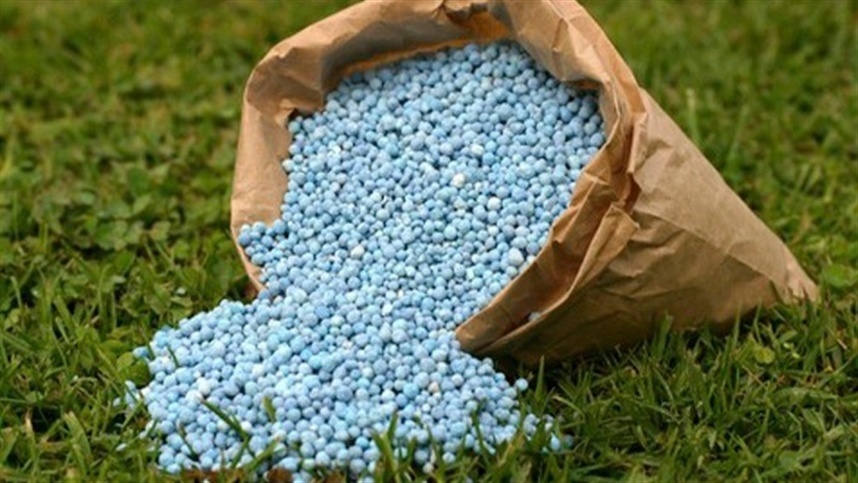
The average price of fertilizers imported by Brazil increased by 12.8% in August compared to the same month in 2025, reaching US$403.20 per ton. This increase occurs at the beginning of the 2026/27 harvest and raises concerns about production costs in a country that depends on the external market to meet approximately 85% of the demand for this input.
Data from the Ministry of Development, Industry, Trade and Services (MDIC) shows that the price increase occurred even with a sharp reduction in the volume purchased by the country. In August, Brazilian imports of chemical fertilizers totaled 2.97 million tons, a decrease of 43.21 TP4T compared to the same period last year. Price increases were also observed in previous months. In the annual comparison, the average import price increased by 18.81 TP4T in July, 26.21 TP4T in June, and 18.21 TP4T in May.
The series of price increases gains relevance for the productive sector given Brazil's dependence on foreign suppliers. According to the Ministry of Agriculture and Livestock (Mapa), approximately 851 TP4T of the fertilizers used in the country are imported, leaving internal costs exposed not only to international prices, but also to exchange rates, transportation, and changes in trade routes. For Eudes Silveira, manager of international business and product development, the costs involved in bringing the input to the country go beyond the price negotiated with the supplier.
“The price of fertilizer in Brazil isn't determined solely by the product's value at the point of origin. There's an international supply chain behind this operation. Exchange rates, transport availability, maritime freight, routes used, and delivery times all factor into this. When some of these components become more expensive or unstable, this can be reflected in the final cost of the input,” he explains.
Pressure on foreign purchases had already been identified in a survey released by the Brazilian Confederation of Agriculture and Livestock (CNA). Between January and April 2026, the volume of imported nitrogen and phosphate fertilizers fell by 41% compared to the same period of the previous year, while the amount spent by Brazil increased by 16%.
In addition to external dependence, the concentration of purchases in a few supplier markets increases the supply chain's exposure. Data analyzed by the Central Bank indicate that Russia accounted for 25.9% of Brazilian fertilizer imports in 2025. China represented 18.8%, while Middle Eastern countries concentrated 14.5%. Among nitrogen fertilizers, approximately 22% of Brazilian purchases originated in the Middle East.
“In foreign trade, it’s not enough to simply look at the cost per ton at the origin. A change in route, reduced transport availability, or a problem in a supplier region can alter delivery time and cost. When we are talking about an input directly linked to the agricultural calendar, logistical predictability also has economic value,” he states.
The fertilizer market activity is occurring on the eve of a grain harvest projected to be higher than the previous cycle. The National Supply Company (Conab) estimates production of 366.6 million tons in 2026/27, a growth of 1.41 TP4T, with a projected cultivated area of 85.3 million hectares.
The data presented do not, in themselves, indicate a risk of fertilizer shortages. The main point of concern lies in the combination of high import dependence and the prices and costs involved in bringing the product to the Brazilian market. In this context, Silveira points to supplier diversification and purchase planning as ways to reduce exposure to external fluctuations.
“The greater the dependence on a few markets, the greater the exposure to events that the Brazilian importer does not control. Working with alternative sources of origin, purchase planning, and logistical advances does not eliminate international volatility, but it reduces exposure to last-minute decisions,” he says.
In the long term, domestic production also appears as an alternative to reduce this dependence. In September, the Fertilizer Industry Development Program (Profert) was established, which aims to expand national production, reduce the share of imports, and lower costs in the agricultural supply chain.