EN
EN  PT_BR
PT_BR 
Goiás is expected to produce 20.3 million tons of soy and 12.4 million tons of corn According to data released by the National Supply Company (Conab) on October 15th, in the first survey of the cycle, the 2026/27 harvest is expected to see significant growth. Despite the growth prospects for the main crops, irregular rainfall and high temperatures require producers to pay attention at the start of planting. Brazilian grain production is estimated at 367.14 million tons, an increase of 1.41 TP4T compared to the previous harvest. In Goiás, corn stands out, with a projected increase of 19.71 TP4T in production, while estimates for... bean and cotton They point to setbacks.
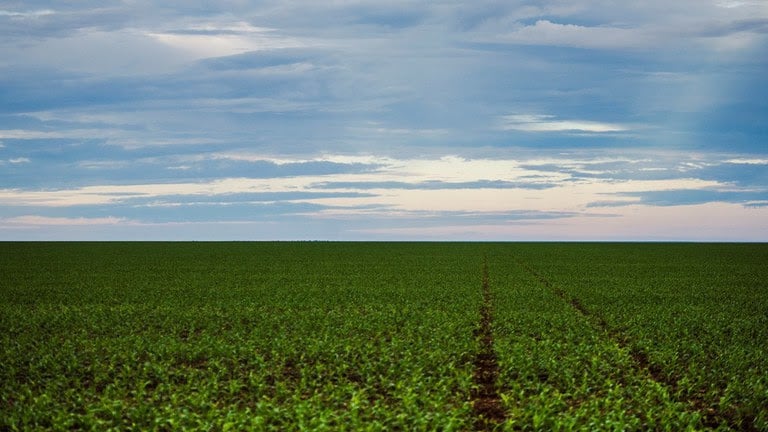
Soybean production in Goiás is expected to grow by 0.8% in the 2026/27 harvest, reaching 20.3 million tons, according to data released by Conab. The planted area is estimated at 5.2 million hectares, an increase of 0.9%, while productivity is expected to remain practically stable at 3,908 kilograms per hectare. The state is expected to account for approximately 11.2% of Brazil's soybean production, estimated at 181.61 million tons. This result reinforces Goiás' importance for national supply and the provision of raw materials to the agro-industry.
The distribution of cultivated areas among crops may be adjusted according to market conditions and industrial demand. In Cristalina, there is a prospect of a slight expansion of the area dedicated to soybeans. In São João d'Aliança, part of the crops may be directed to corn.
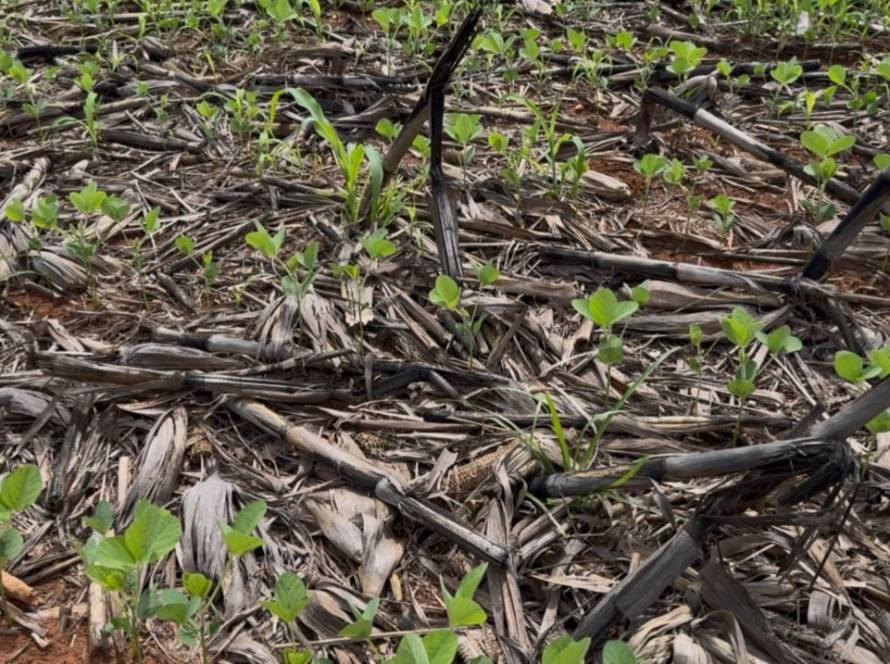
Planting began sporadically, mainly in irrigated areas and in rainfed plots with sufficient soil moisture. According to Conab's field monitoring on October 12, approximately 7% of the planned area had been sown, below the historical average of 10% for the period.
Irregular rainfall and high temperatures increase the need to monitor soil conditions, especially during plant germination and emergence. Water availability at this stage also influences crop establishment and the need for eventual replanting.
Corn shows the greatest growth prospects among the main crops in Goiás in the 2026/27 harvest. State production is estimated at 12.4 million tons, an increase of approximately 2.04 million tons, or 19.71 TP4T, compared to the previous cycle, according to data released by Conab. The area destined for the first crop should grow by 26.21 TP4T, reaching 188,000 hectares. Production is projected at 1.974 million tons, an increase of 27.31 TP4T.
The expansion of the corn ethanol industry strengthens the demand for the grain and may influence producers' decisions regarding the distribution of areas among different crops.
For the second crop, the estimate is 1.8 million hectares, a growth of 3.11 TP4T. Production should reach 10.4 million tons, an increase of 18.41 TP4T, with projected productivity of 5,774 kilograms per hectare, an increase of 14.91 TP4T.
Despite the positive outlook, the performance of the second corn crop will depend on weather conditions and the soybean harvest schedule. Delays in soybean planting could reduce the window available for planting the cereal and increase the exposure of crops to periods of lower water availability.
Projections for bean and cotton production in Goiás indicate a reduction in the 2026/27 harvest, according to data released by Conab. For beans, the estimate is 295,900 tons, a decrease of 4.31 TP4T compared to the previous cycle. The cultivated area is expected to decrease by 2.71 TP4T, to 123,600 hectares.
Performance varies depending on the growing season. The first crop is expected to have increased productivity, while the second crop is projected to fall to 29,700 tons, a reduction of 16.11 TP4T. For the third crop, the projection is 172,900 tons. Water availability and phytosanitary management remain among the determining factors for crop yield, especially in irrigated areas.
In cotton, the planted area is expected to reach 30,500 hectares, a growth of 2.71 TP4T. However, lower productivity should limit seed cotton production to 81,900 tons, a decrease of 8.71 TP4T. Lint production is estimated at 54,600 tons, a decrease of 8.81 TP4T. The start of cotton planting is expected from November onwards, depending on soil moisture in the different producing regions.
Weather conditions are among the main points of concern for the progress of the 2026/27 harvest in Goiás. Rainfall distribution has been uneven across producing regions, affecting soil moisture recovery. In September, temperatures close to 39°C and scattered rainfall limited moisture recovery in eastern Goiás. In the Southwest, reported accumulations of 130 millimeters in Mineiros and 100 millimeters in Rio Verde partially favored water storage in the soil.
The forecast from the National Institute of Meteorology (Inmet), released on October 14th for the period of October 14th to 21st, indicated the continuation of irregular rainfall distribution in the Central-West region. In this scenario, monitoring weather conditions is crucial to guide planting progress, reduce risks in crop establishment, and plan agricultural operations.
Nationally, Conab estimates that grain production will reach 367.14 million tons in the 2026/27 harvest, an increase of 1.41 TP4T compared to the previous cycle. The cultivated area should reach 85.41 million hectares, a growth of 2.31 TP4T, while the average productivity is projected at 4,299 kilograms per hectare, a reduction of 0.91 TP4T. Soybean production is expected to reach 181.61 million tons in the country. For corn, considering the three harvests, the forecast is 148 million tons.
In Goiás, initial estimates indicate continued importance of soybeans and significant expansion in corn production, also driven by demand from the ethanol industry. Conversely, bean and cotton production are expected to decline.
Confirmation of the projections will depend on regular rainfall, crop development, and adherence to planting windows. Upcoming surveys by Conab, weather reports, and the progress of planting will be important for assessing risks throughout the cycle, especially regarding the relationship between the soybean planting schedule and the establishment of the second corn crop.
With information from Faeg*