 EN
EN  PT_BR
PT_BR 
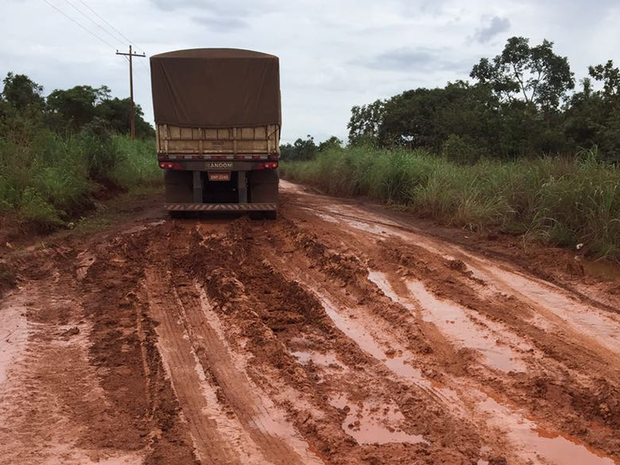
The week between February 8th and 13th, 2026, was marked by significant rainfall in practically all regional centers of Mato Grosso, altering the pace of field activities and demanding increased attention from producers. The excess moisture directly impacted the soybean harvest, delayed the application of pesticides, fertilizers, and other crop management practices, and necessitated replanting in specific areas, mainly on field borders and plots with waterlogged soil.
In the case of cotton, planting is practically complete in most regions, with rates between 95% and 100% of the planned areas already sown. There are still isolated points in the final stages of planting, but, in general, the crops show good stand and initial development considered satisfactory. Despite this, the weather scenario has raised the level of concern in the field.
Excessive moisture has favored the incidence of what is known as "mela," a disease caused by the fungus Rhizoctonia solani, which finds the ideal environment to spread in waterlogged soil conditions. The disease pressure has been considered strong in some areas, with reports of localized losses and increased operational costs for containing outbreaks.
In phytosanitary management, monitoring remains intensified. Technicians and field teams report the recurring presence of cotton boll weevil, whitefly, caterpillars of the genus Spodoptera, thrips, and aphids, typical pests of the initial stages of the crop. Despite the limitations imposed by the rains, control remains within normal limits, supported by integrated management strategies, elimination of volunteer plants, and installation of traps for population monitoring.
The overall scenario indicates that the harvest is progressing as expected for this period, but under close technical scrutiny. Excessive rainfall, operational delays, and increased phytosanitary risks in newly established areas require rapid responses in the field to avoid broader impacts on yield potential.
The information comes from the Mato Grosso Cotton Producers Association (AMPA), which monitors crop conditions weekly in the state's different regional centers.