 EN
EN  PT_BR
PT_BR The beginning of 2026 saw a significant drop in pork prices, reflecting the expansion in production observed throughout the previous year. Even with pressure in the domestic market, the sector maintained positive results, supported by strong export performance and controlled production costs, according to data from [source missing]. Itaú BBA Agricultural Consulting.
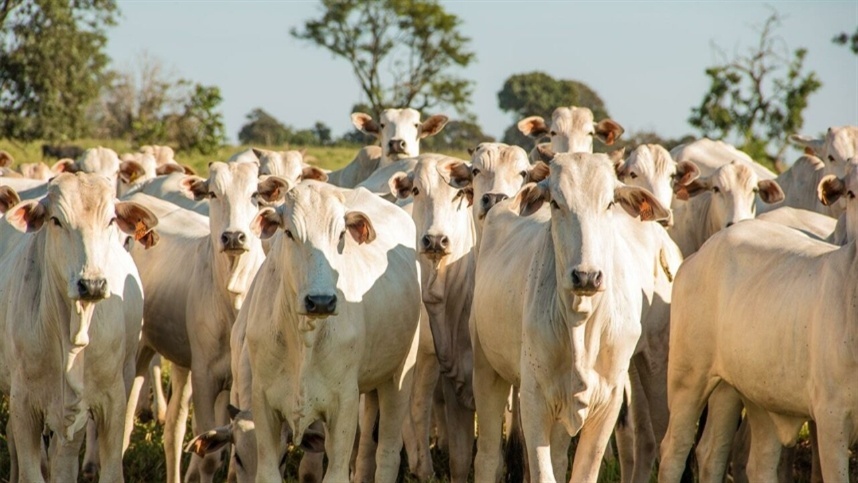
Live cattle prices in São Paulo experienced a sharp decline at the beginning of the year, falling from R$ 8.90/kg on January 1st to R$ 6.90/kg on January 9th, a drop of 23% during the period. With this adjustment, prices returned to levels close to those recorded at the beginning of 2024 and remained below those observed at the beginning of last year, when the market showed greater price firmness, with appreciation starting in February.
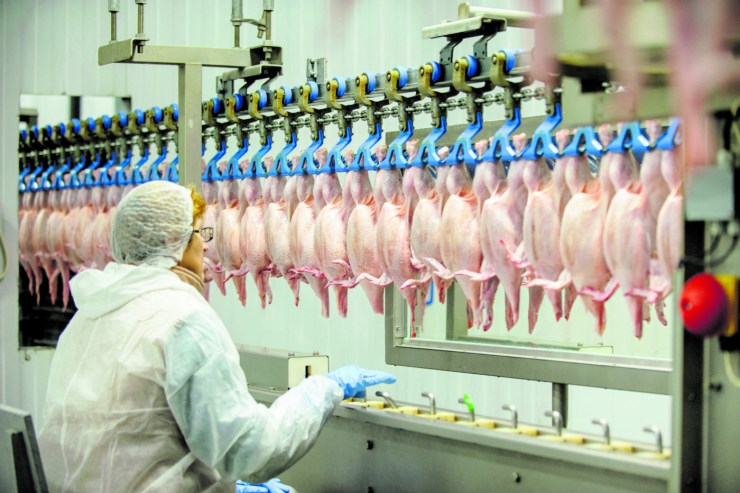
The growth in pork production throughout 2025 was driven by favorable profit margins. This pace is expected to have continued into the first month of 2026, although official slaughter figures have not yet been released.
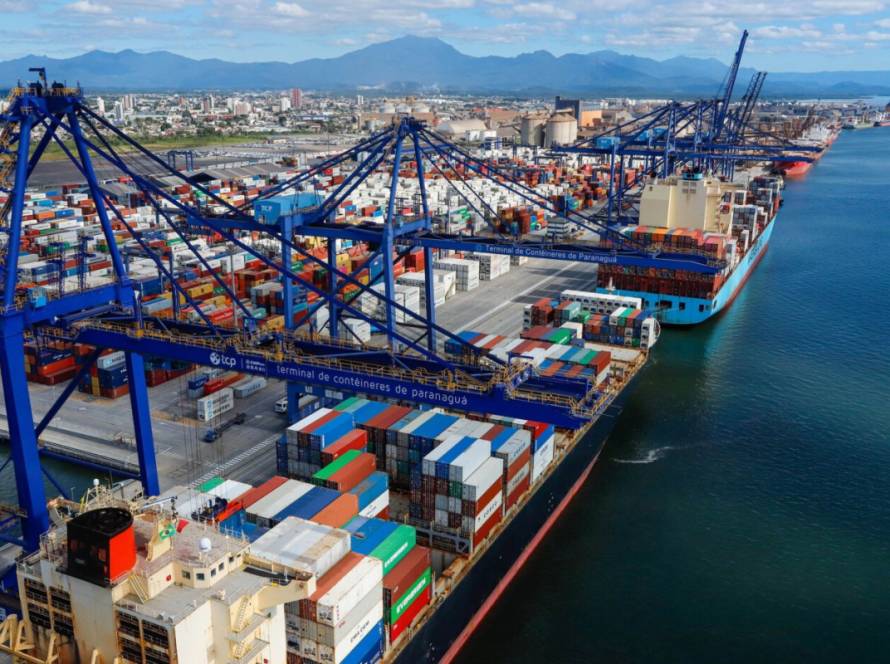
In the international market, the sector started the year with positive performance. Shipments of fresh pork totaled 100,000 tons, a volume 14.21% higher than that recorded in the same period of the previous year. Among the main destinations, the Philippines and Japan stood out, accounting for 31% and 13% of Brazilian exports in the month, respectively.
Even with production costs under control, the 5% drop in the price of the animal between January and December resulted in a reduction in the activity spread, which went from 26% to 21%. Nevertheless, the result per finished head remained at a level considered satisfactory, with an average of R$ 206.
In international trade, the export spread also decreased, influenced by the 0.8% reduction in the price of fresh pork and by currency appreciation. As a result, the indicator converged to the historical average of 40%, after registering 42% in the previous month.