 EN
 PT_BR
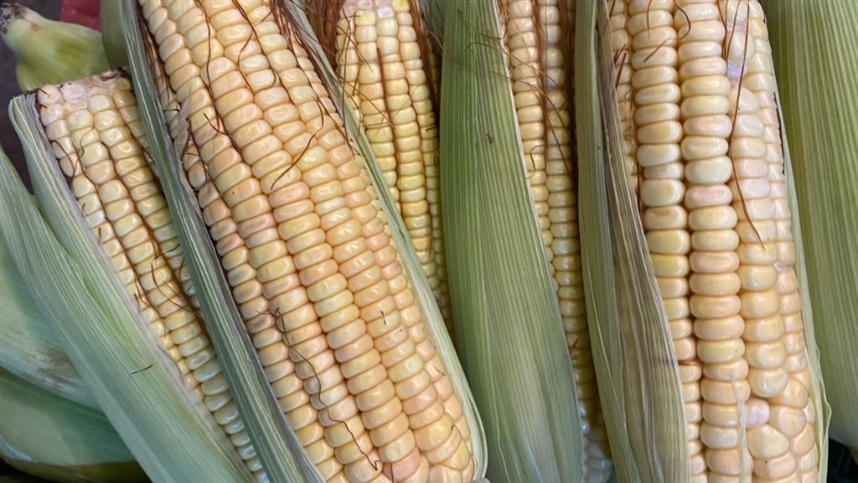
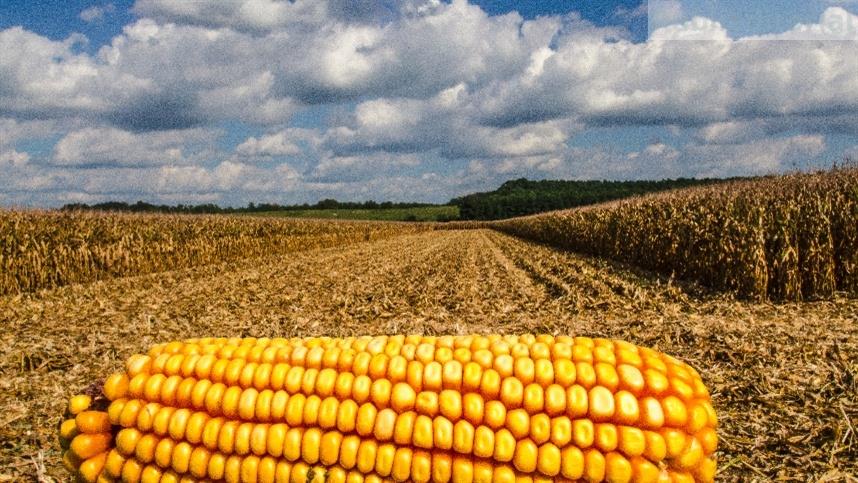
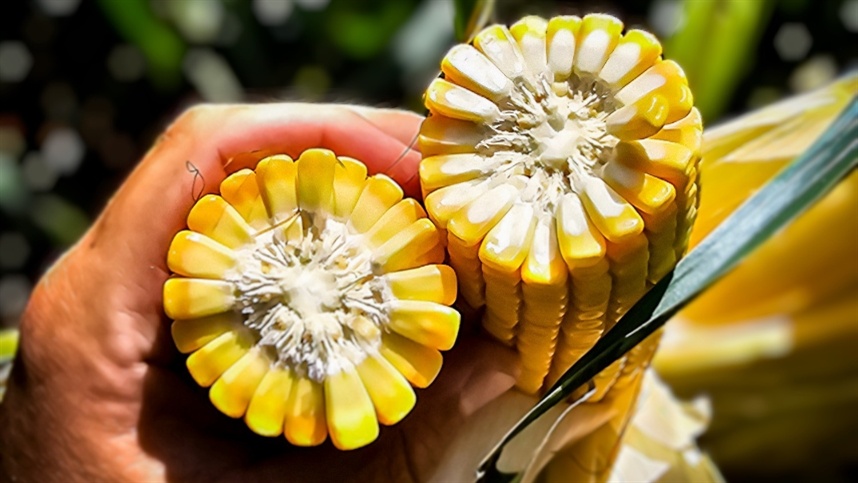
Planting corn In Rio Grande do Sul, it reached 78% of the planned area, but it continues at an uneven pace between regions, with limitations caused by mild temperatures, excess humidity and low incidence of solar radiation. According to data released by Emater/RS-Ascar in the Conjunctural Report on Thursday (22), the state estimate is 896,401 hectares cultivated and projected productivity of 7,711 kilos per hectare.
Planting is progressing at different levels across the state. While some areas are nearing completion, others, especially those intended for self-consumption, are still in the early stages of planting. Among the established crops, 98% remain in vegetative development, while 2% have entered the reproductive phase and are already flowering.
The temporary improvement in solar radiation availability favored plant growth during part of the period. The crops show dark green leaves, thick stems, good root development, and a positive response to nitrogen topdressing, which was aided by soil moisture.
Despite this, mild temperatures and persistent cloud cover continue to delay development in some regions, especially in areas sown earlier.
The hailstorms recorded at the end of September caused stand failures and leaf damage in some regions of Rio Grande do Sul. In the most affected plots, the losses irreversibly compromised the productive potential. However, the less affected areas showed satisfactory recovery, according to Emater/RS-Ascar.
Phytosanitary management continues to focus on controlling leafhoppers and stink bugs, as well as combating fungal diseases. The incidence of leafhoppers remains low in several areas monitored by the entity.
See the progress of corn planting by region in Rio Grande do Sul.
The planting schedule varies between the administrative regions of Emater/RS-Ascar, depending on soil conditions, temperature, and sunlight.
Frederico Westphalen: Approximately 95% of the planned area has been sown. The crops are fully in vegetative development, with improved growth following increased solar radiation. The phytosanitary condition is considered good, with low infestation of stink bugs and leafhoppers.
Ijuí: Planting has reached 92% of the projected area. The plants show good development and vigor. In the earliest areas, some crops are between the V10 and V12 stages, and more than 5% are close to tassel formation.
Passo Fundo: Sowing has reached 90% of the planned area. Crops are in germination or the early stages of vegetative development, while the earliest areas are receiving nitrogen fertilization.
Santa Rosa: Approximately 901 TP4T of the area has been sown. Of the total cultivated area, 971 TP4T is in vegetative development and 31 TP4T is in the reproductive phase. Crops affected by hail and wind show varying levels of recovery, with irreversible losses in the most damaged plots. The incidence of leafhoppers remains low.
Soledade: Planting has reached 63% of the planned area, and sowing in the earliest areas has been completed. Crops are in germination, emergence, or the early stages of vegetative development.
Bagé: Planting has progressed eastward in the Campanha region and towards municipalities near the Western Border. The growth of established crops continues to be limited by low temperatures and insufficient sunlight. Applications of nitrogen fertilizers, herbicides, insecticides, and fungicides continue.
Caxias do Sul: Planting progress was limited by high soil moisture. Low temperatures and persistent cloud cover reduced radiation availability and delayed initial plant development.
Pelotas: Only 9% of the planned area has been sown. The planted crops are entirely in vegetative development, with slow growth due to the lower temperatures.
Emater/RS-Ascar estimates the planted area for the corn crop in Rio Grande do Sul at 896,401 hectares, with a projected yield of 7,711 kg/ha. Although the progress of planting and the vigor of the plants are positive points in several regions, the continued development will depend on temperature, sunlight, and soil moisture conditions. The damage caused by the storms also remains a concern in the affected areas, especially in plots where there has been irreversible damage to the productive potential.