 EN
 PT_BR
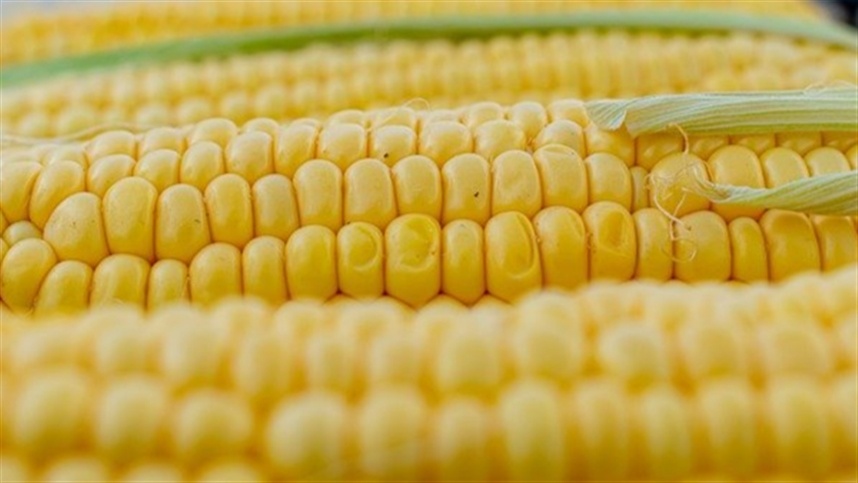
The market of corn It should face pressure in the short term with the advance of the harvest in the United States, while weather in South America, demand for ethanol, exports and geopolitical tensions come onto the radar of traders. According to data released by Grão Direto in the “Direto do Campo” analysis, by Grainsights, published this Tuesday (22), these factors may define the behavior of prices in the coming weeks.
According to data released by Grão Direto, the accelerated pace of the harvest in the United States continues to put pressure on the market. According to the USDA, an increasing volume of grain is beginning to arrive at warehouses and the market, increasing physical availability and reducing the bargaining power of producers in regions where harvesting is most advanced.
With more corn available, local premiums tend to decline, and short-term contract prices are under more pressure. Attention now turns to the progress of the harvest in the coming weeks, as a strong pace could further increase supply and limit the chances of price recovery.
In South America, the market should focus on weather conditions in Brazil and Argentina. Rainfall patterns during soybean planting will be important in determining the schedule for the next second corn crop.
According to data released by Grão Direto, potential delays in soybean planting or problems in crop development could reduce the ideal window for corn and increase concerns about the productivity of the 2027 harvest.
Another point of attention is corn consumption by ethanol plants in the United States. Maintaining demand close to 5.6 billion bushels will be important to support prices.
If the Federal Reserve's high interest rates reduce economic growth and fuel consumption, mills may decrease grinding. According to data released by Grão Direto, this move would increase pressure on corn prices.
US exports are also on the radar. The United States will need to maintain competitiveness in foreign sales to meet the USDA's projection of 3.275 billion bushels.
At the same time, Brazil is expected to continue exporting its second corn crop at a strong pace, while Argentina has high stock levels. This scenario is likely to intensify the competition for buyers, especially in Asia.
Geopolitical tensions also remain among the factors that can alter market behavior. According to data released by Grão Direto, the instabilities in Ukraine and the Middle East require attention from traders.
Conflicts and attacks in the Black Sea could affect the international flow of grains and increase concerns about global supply. Meanwhile, higher oil prices, with Brent crude near US$$ 105, are driving up transportation and maritime freight costs.
This scenario could increase the volatility of agricultural prices and support prices if risks related to supply and logistics costs intensify.
In the macroeconomic scenario, monetary policy decisions in the United States and Brazil also influence price formation for Brazilian producers. According to data released by Grão Direto, the Federal Reserve raised interest rates to the range of 3.75% to 4.00%, while the Copom (Monetary Policy Committee) reduced the Selic rate to 13.75%.
With a smaller interest rate differential, the dollar near R$ 5.15 has gained importance for Brazilian producers. According to data released by Grão Direto, the US currency helps protect soybean and corn prices in reais against fluctuations in the international market.
The analysis also highlights the importance of monitoring prices for making business decisions. According to data released by Grão Direto, producers who monitor prices through the platform can have continuous visibility of quotations and conduct business digitally when prices reach their desired level.