 EN
EN  PT_BR
PT_BR 
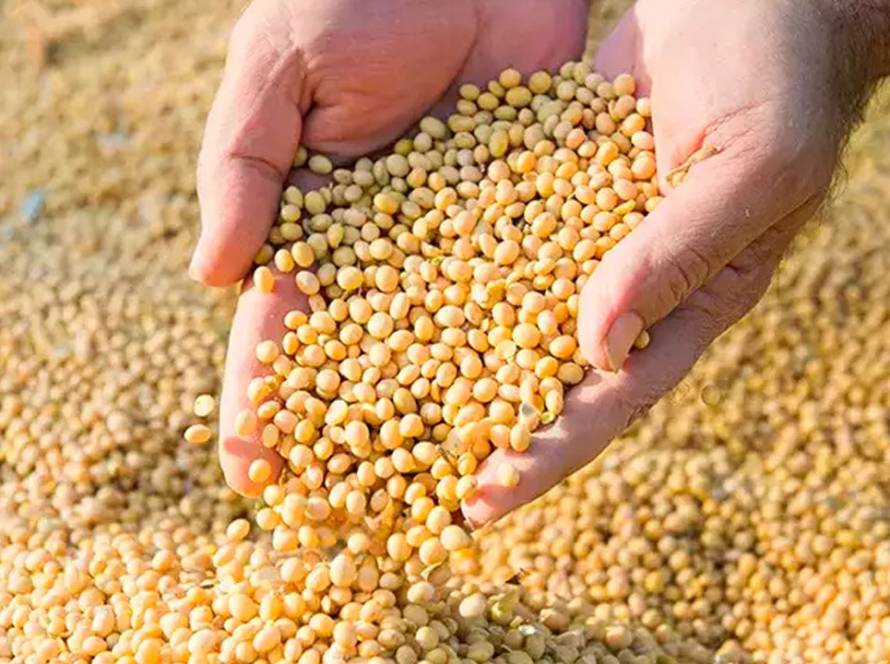
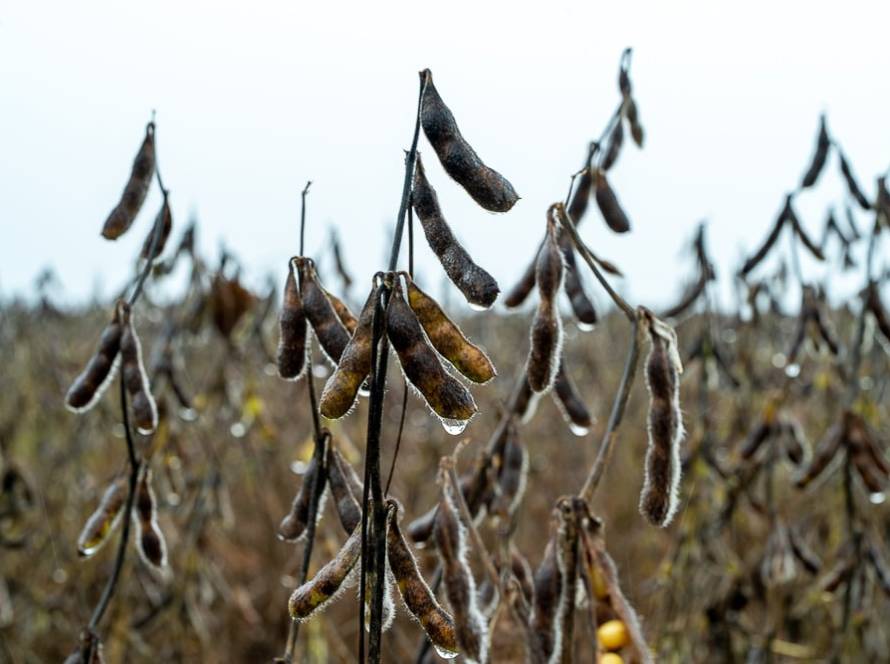
The sowing of soy Harvesting for the 2026/27 crop began in Mato Grosso after the end of the sanitary break on September 6th, but progress depends on regular rainfall and soil moisture. According to data released by the Mato Grosso Institute of Agricultural Economics (Imea), weather conditions require attention at the start of this cycle.
With the end of the sanitary break, producers in Mato Grosso are now authorized to begin planting the new crop. However, the release of the planting calendar does not mean an immediate advance in operations in all regions. The initial pace in Mato Grosso is more gradual, as is the case in Matopiba. In Paraná, on the other hand, sowing is already progressing at an accelerated pace.
According to data released by Imea, the start of work in Mato Grosso is mainly contingent on rainfall capable of increasing soil moisture and providing suitable conditions for planting. For the next ten days, the National Institute of Meteorology (Inmet) forecasts rainfall totals of 30 to 50 millimeters across much of Mato Grosso.
If the forecast is confirmed, according to data released by Imea, the volume of rain could favor the continuation of sowing and allow for the advancement of field activities. However, this scenario requires monitoring because the projected reduction in rainfall could harm areas that have already been sown.
Irregular rainfall can create differences in crop establishment conditions, especially between areas that receive sufficient rainfall and those that remain with less available moisture.
Another point of attention for the 2026/27 harvest is the El Niño phenomenon. According to data released by Imea, the forecast indicates a strong event, with a RONI above 2.0 between September and November. The projected intensity reinforces the need to monitor rainfall patterns during the spring, a period that will be crucial for the progress of crop planting.
Therefore, the start of soybean planting in Mato Grosso is directly influenced by weather conditions. Rain is forecast for the next ten days, which could help accelerate the work, while a subsequent reduction in rainfall will keep the situation critical.
According to data released by Imea, monitoring weather conditions will be important throughout the beginning of the harvest season to guide the progress of fieldwork and assess the impacts on already sown areas.