 EN
EN  PT_BR
PT_BR 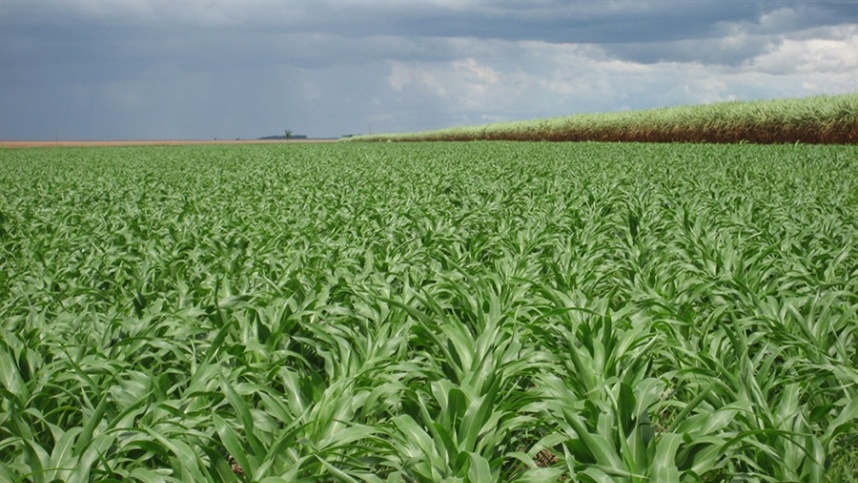
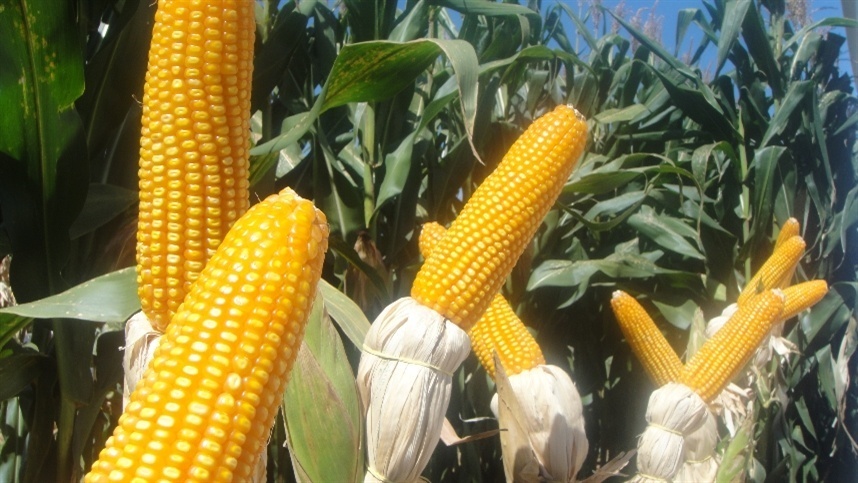
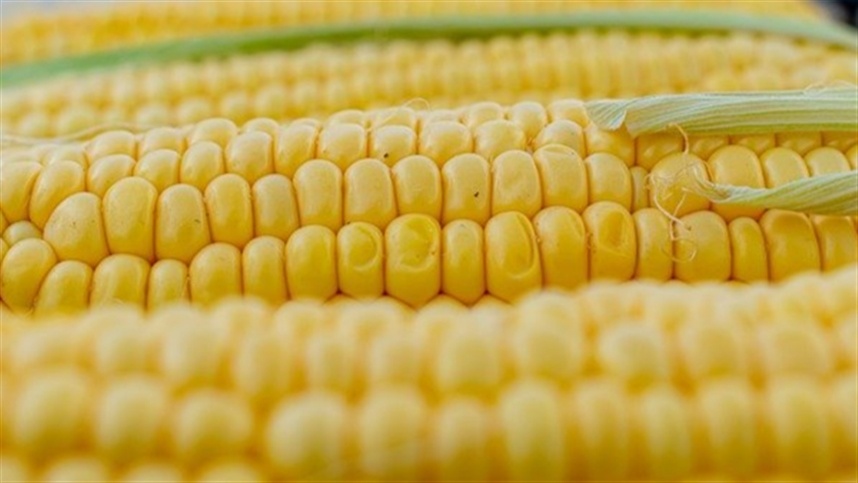
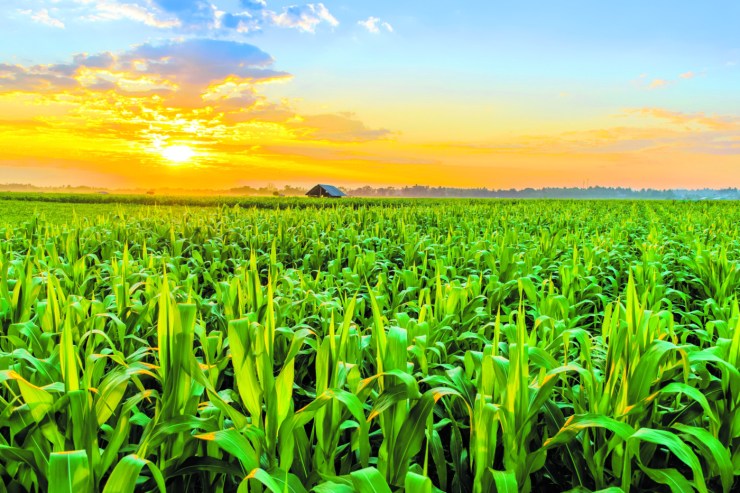
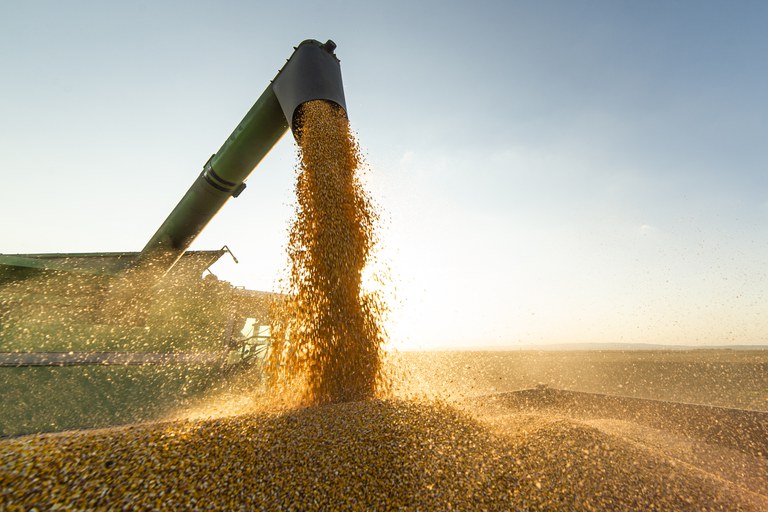
Ethanol production in Brazil is undergoing a process of diversification with the advancement of... corn as raw material, alongside the traditional chain of sugarcaneAccording to the Research and Extension Support Group of the Luiz de Queiroz School of Agriculture (GAPE ESALQ), the two sources have distinct processing characteristics, but can act in a complementary way to expand the supply of biofuel.
In the case of sugarcane, the sugars available in the raw material can go directly to the fermentation stage. In the case of corn, the process initially requires the enzymatic conversion of starch into fermentable sugars. After fermentation, the ethanol is separated and purified to obtain the final product.
Corn processing also allows for the utilization of other grain fractions. Among the co-products are DDGS, an acronym for dried distillers grains, and corn oil. This characteristic differentiates the industrial route and expands the possibilities for using the components that remain after ethanol production.
The differences between corn and sugarcane are also reflected in agricultural, industrial, and energy configurations. In the Brazilian scenario, corn can contribute to maintaining ethanol production throughout the year, including during the sugarcane off-season.
Another possibility is integrating corn processing into the existing infrastructure of so-called flex-fuel plants. In this way, the two raw materials can work in a complementary manner, favoring production diversification, the use of co-products, and the expansion of ethanol availability in the Brazilian biofuel matrix.