 EN
EN  PT_BR
PT_BR 
The market of corn The week begins with close attention focused on global stocks, the final stretch of the Brazilian second crop, and weather conditions for the upcoming season. According to data released in the analysis, the combination of lower global supply, reduced selling activity in Brazil, and uncertainties caused by El Niño is supporting prices and increasing the importance of planning for producers.
In the international market, corn is operating under the influence of reduced global ending stocks projected for the 2026/27 season. In the United States, grain filling is progressing, with crops classified as being in good or excellent condition below past levels. According to data released in the analysis, the worsening quality of US crops, combined with reduced global stocks, limits seasonal selling pressure on the Chicago Board of Trade. This scenario contributes to sustaining cereal prices at higher levels.
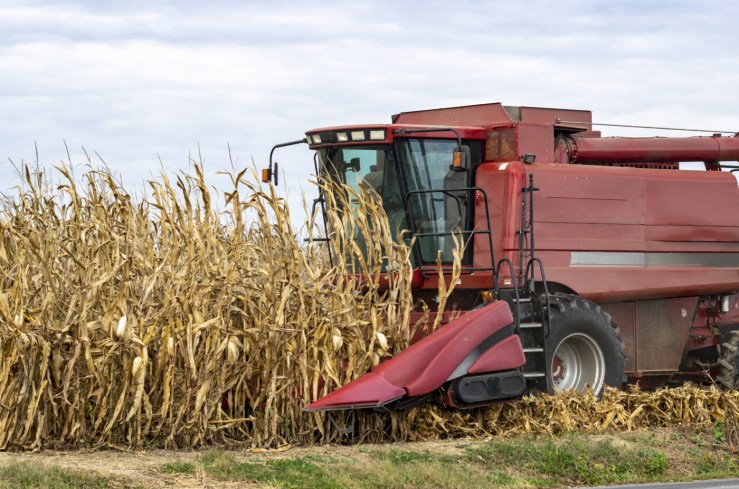
In Brazil, the 2025/26 second-crop harvest is entering its final phase, reaching approximately 80% of the cultivated area in the Center-South region. In Paraná, however, frequent rains during the harvest resulted in lots with excessive moisture. This condition caused price differences and the application of commercial discounts in the regional spot market.
According to data released in the analysis, producers are focusing their efforts on completing the harvest, but the next challenge is already beginning to gain traction in the sector's decisions: opening the window for the next crop season.
Weather conditions are playing an important role in shaping expectations for the corn market. Possible delays in planting the next crop due to irregular weather associated with El Niño could reduce the ideal planting window for the second corn crop in 2027. This possibility increases the risk of exposing the crop to water stress at the beginning of next year. According to data released in the analysis material, this scenario is already being closely monitored by market participants in futures positions.
In the domestic market, producers are maintaining a more cautious stance regarding spot market sales. Capitalized by revenues from soybeans, farmers are prioritizing the retention of corn in storage facilities, awaiting prices considered more attractive.
On the other hand, the animal protein industries and corn ethanol plants are working to rebuild their operational scales. This competition for the availability of the grain helps to support domestic prices, according to data released in the analysis material.
The macroeconomic situation also factors into the scenario for corn. According to data released by the Central Bank in the Focus Bulletin this Monday, August 31, 2026, the projection maintains the Selic rate at 13.75%, the exchange rate at R$ 5.20 per dollar, and the IPCA at 5.01% per year. Maintaining the dollar at high levels favors the competitiveness of Brazilian production and sustains port premiums at the country's main export points.
For producers, the scenario combines still high production costs with fluctuating prices. Therefore, monitoring the market and controlling the cost per hectare become crucial for marketing decisions. The guidance presented in this material is to monitor prices daily and, when a price aligned with a sustainable profit margin emerges, use digital marketing to protect the operation's outcome.