 EN
EN  PT_BR
PT_BR 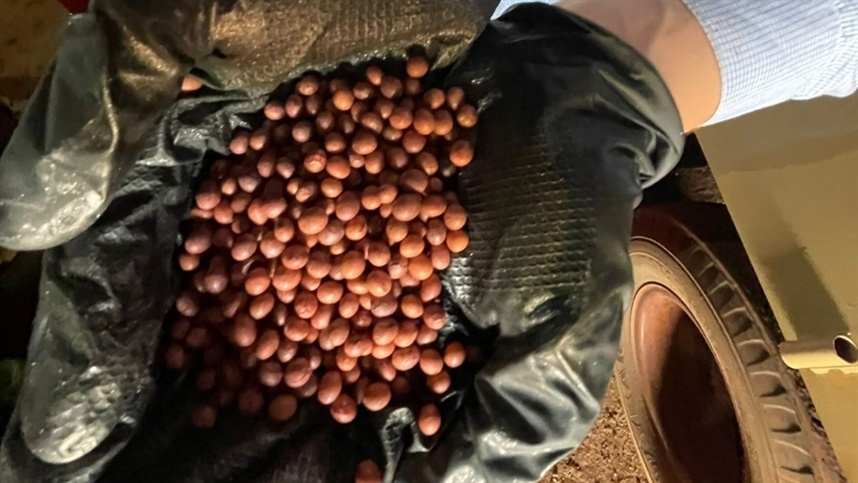
Even in the face of challenging factors, experts point out that investing in certified seeds will be crucial to ensuring the productivity, safety, and sustainability of Brazilian production. Modern agriculture demands increasingly more planning. Seed selection is no longer just the first step in the harvest process, but has become one of the main strategic decisions for rural producers.
On Seed Day, celebrated on August 21st, AMSSOJA BRASIL – the Brazilian Association of Soybean Seed Multipliers – highlights that the technology embedded in certified seeds represents one of the main tools for increasing production efficiency and reducing risks at a time of greater pressure on the profitability of the activity.
This perception is reinforced by the Agro Conjuntura Céleres report – July 2026, which points to a challenging environment for the 2026/27 harvest. Even with a slight recovery in soybean futures prices, the El Niño phenomenon is expected to occur, increasing concerns about productivity losses, especially in the MATOPIBA region. At the same time, credit remains restricted, requiring even more careful management in decision-making.
Despite this scenario, one piece of data stands out: seed sales have already reached approximately 80% of the projected demand for the next harvest, indicating that producers continue to prioritize the quality of the main input for their crops, even in a more challenging economic environment.
The harvest begins long before planting.
According to André Schwening, president of AMSSOJA BRASIL, understanding the value of seeds is to understand the very evolution of Brazilian agriculture.
"It all starts with the seed. There is no soybean farming without soybean seeds. It is the seed that drives the growth of the crop through genetics, biotechnology, and innovation."
As a result, the seed represents years of research, development, and investment by seed companies and multipliers, becoming the link that connects science and productivity in the field.
“The producer reaps the rewards of work that begins many years before the harvest. The development of a cultivar involves research, validation, testing, and a meticulous multiplication process so that the technology reaches the field with quality and safety,” Schwening points out.
Greater efficiency in a higher-risk environment.
The challenges for the 26/27 harvest reinforce this need for efficiency. The combination of narrower margins, greater selectivity in credit granting, excess installed capacity in the seed sector, and the predicted climate risks demands that every decision made by the producer contributes to maximizing the crop's productive potential. In this context, certified seed gains even more prominence.
"Good genetics, combined with the physiological quality of the seed, is directly related to crop performance and the final result obtained by the producer," the president emphasizes.
This perspective aligns with the commitment of the multipliers associated with AMSSOJA BRASIL. After all, investing in certified seeds means employing technology, vigor, health, traceability, and safety—factors that become even more relevant when the economic environment offers little room for losses.
Technology continues to advance.
According to data from Céleres, the adoption of Industrial Seed Treatment (IST) continues to grow and already represents more than 50% of the seeds marketed in the country, consolidating itself as an important tool to protect the productive potential right from the early stages of crop development.
“A significant portion of the seed certification margin lies in the TSI (Technical Inspection System). In the current scenario of reduced margins, adding value to the seed is an important lever for the market, and the farmer also recognizes the value of this process,” points out specialist Enislon Nogueira – agricultural market consultant.
According to the association, this evolution demonstrates that the market continues to invest in solutions capable of delivering higher performance to the producer, even in an environment of greater economic caution.
A sector that looks to the future.
In addition to the current challenges, the production chain is involved in important discussions aimed at strengthening its competitiveness, such as modernizing plant variety protection legislation, combating illegal seeds, and continuously encouraging innovation.
According to André Schwening, the future of Brazilian soybean farming necessarily depends on valuing research, intellectual property, and the work done by soybean seed multipliers.
“Challenges are part of agriculture. The difference will lie in the sector's ability to continue investing in innovation, planning, and professionalization to deliver technology to the producer.”
He further emphasizes that the seed represents not only the beginning of a new harvest, but the result of a highly specialized chain, responsible for transforming science into productivity and contributing directly to the competitiveness of Brazilian agribusiness.
On this World Seed Day, AMSSOJA BRASIL's message is clear: when the scenario demands greater efficiency, seed quality ceases to be a differentiator and becomes an essential strategy for building a more productive, sustainable agriculture, prepared for the challenges of the future.