 EN
EN  PT_BR
PT_BR On Wednesday (September 17th), the Mato Grosso Institute of Agricultural Economics (Imea) and the National Rural Learning Service of Mato Grosso (Senar-MT) presented the results of the CPA Project – Agricultural Production Cost for the 2025/26 harvest. The event was held in the auditorium of the Federation of Agriculture and Livestock of Mato Grosso (Famato), in Cuiabá, in a hybrid format with live transmission, and was attended by more than 50 people, including rural producers, technicians, sector leaders and press professionals.
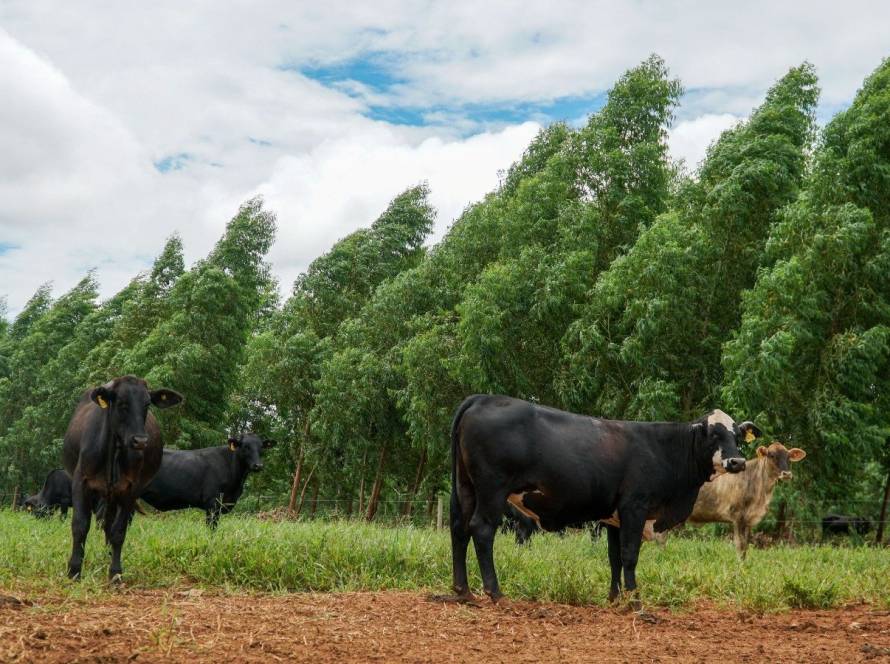
The CPA currently monitors 12 agricultural activities in Mato Grosso, based on 57 modal panels. Between October 2024 and August 2025, 32 production cost panels were reviewed, including 9 for soybeans and corn, 3 for cotton, 6 for beef cattle, 3 for dairy cattle, and 3 for pig farming. Other chains, such as sugarcane, eucalyptus, beans, sesame, round fish, and teak, had 1 panel each. This edition also expanded the study to two new activities: beekeeping and coffee farming, with one panel for each.
At the opening, the superintendent of Senar-MT, Marcelo Lupatini, emphasized the project's relevance for producers and society. “The CPA is a tool that clearly reflects the reality experienced by our rural producers. By providing solid information on costs and profitability, we offer not only a snapshot of production, but also instruments for decision-making in the field. This reinforces Senar-MT's mission to support the management, training, and sustainable development of rural families,” he highlighted.
The Market Intelligence Coordinator at Imea, Rodrigo Silva, emphasized the seriousness of the data collection process up to the conclusion of the results. “The methodological rigor and the seriousness of the work guarantee the reliability of the CPA results. It involves months of data collection, organization, and validation with producers, technicians, and specialists, until we arrive at numbers that truly reflect the reality of Mato Grosso. This commitment is what gives the CPA its status as a national benchmark in production costs,” he stated.
Rodrigo also highlighted the expanded scope of the research in this edition. “It’s important to note that the CPA now includes production chains such as coffee farming and beekeeping, which were included in the survey for the first time. This demonstrates the project's evolution and commitment to portraying the diversity of our agriculture in an increasingly comprehensive way. We had a coffee panel conducted in Colniza, with an estimated average annual cost of R$ 11,416.36 per hectare, and a beekeeping panel, which provided unprecedented indicators about the activity in the state. This expansion reinforces the role of the CPA as a strategic instrument not only for large-scale crops, but also for activities that are gaining economic and social relevance in Mato Grosso.”
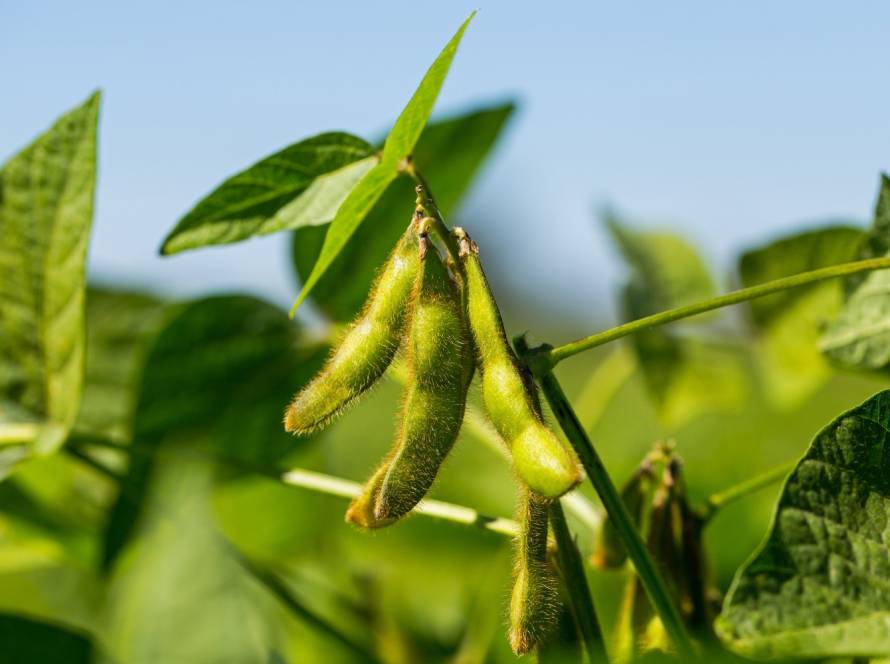
The results were presented by Imea's production cost analysts, Abraão Viana and Milena Habeck, who detailed the main economic indicators of the production chains. The study showed that Mato Grosso's agricultural sector is facing a scenario of rising costs, especially in fertilizers and pesticides. In soybeans, for example, the total cost of the 2025/26 crop reached R$ 7,657.89/ha, an increase of 7.69% compared to the previous crop, mainly driven by an increase of 9.23% in fertilizer costs and 4.33% in pesticide costs. In corn, the total cost increased by 9.69%, reaching R$ 6,684.91/ha, also pressured by agricultural inputs.
At the same time, the profitability of the main activities is under pressure. Soybeans, which in 2024/25 registered an EBITDA of R$ 1,961.45/ha, are projected to fall by 43.76% for 2025/26, dropping to R$ 1,103.03/ha. In corn, the profit margin also shrinks, with EBITDA estimated at R$ 515.60/ha, a decrease of 47.86% compared to the previous crop. Cotton, even remaining the most attractive second-crop crop, also shows a significant reduction in margin, with EBITDA projected at R$ 4,097.35/ha, a decrease of 33.61% compared to 2024/25.
Nevertheless, the CPA points to ways of efficiency and management capable of mitigating risks and preparing the producer for market fluctuations. The report shows, for example, that the break-even point for soybeans in 2025/26 will be 52.49 sc/ha, while the projected productivity is 60.45 sc/ha, guaranteeing the producer a margin over the effective operating cost of 7.96 sc/ha. In corn, the estimated productivity of 116.61 sc/ha exceeds the break-even point of 107.29 sc/ha, allowing the activity to remain economically viable even in the face of increased costs.