 EN
EN  PT_BR
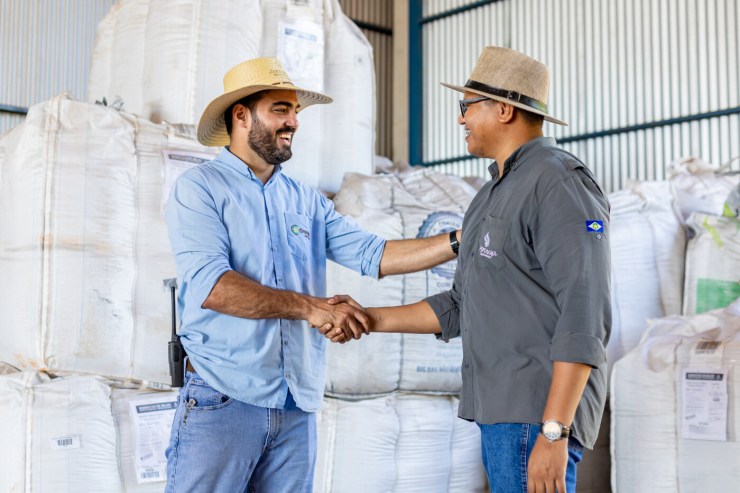
PT_BR The ILPF Network Association and the Mato Grosso Agriculture and Livestock Federation (Famato) have partnered to include the Integrated Crop-Livestock-Forestry System (ILPF) in the program content of the “ABC+ in Action” initiative. With support from the State Secretariat for Economic Development (Sedec), the initiative aims to provide information and training to rural producers and professionals in the sector about the socioeconomic and environmental results provided by integrated systems.
The “ABC+ in Action” program will be implemented in 17 municipalities in Mato Grosso. The first stages have already taken place in Sinop, Campo Novo do Parecis, Rio Branco, Porto Estrela, Santa Cruz do Xingu, Confresa, and Ribeirão Cascalheira. The next stages will be in: Alto Taquari (19), Aripuanã (29), Juruena (30), Nova Bandeirantes (October 2), Carlinda (October 3), Jaciara (October 9), Alto Paraguai (October 10), and Poconé (October 17), in addition to a large closing event in Cuiabá on October 23.

Photo: Juliana Sussai
The ILPF system is a production strategy that combines different production systems: agricultural, livestock, and forestry in the same area, whether in consortium, succession, or crop rotation, generating benefits for all activities. This practice sustainably intensifies land use, protects and fertilizes the soil, promotes savings on inputs and consequent cost reduction, while simultaneously increasing productivity in the same area, diversifying production and revenue sources.
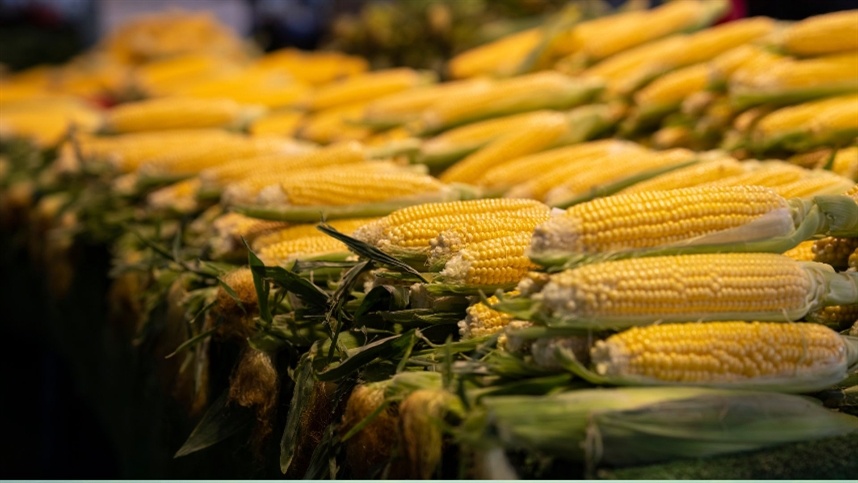
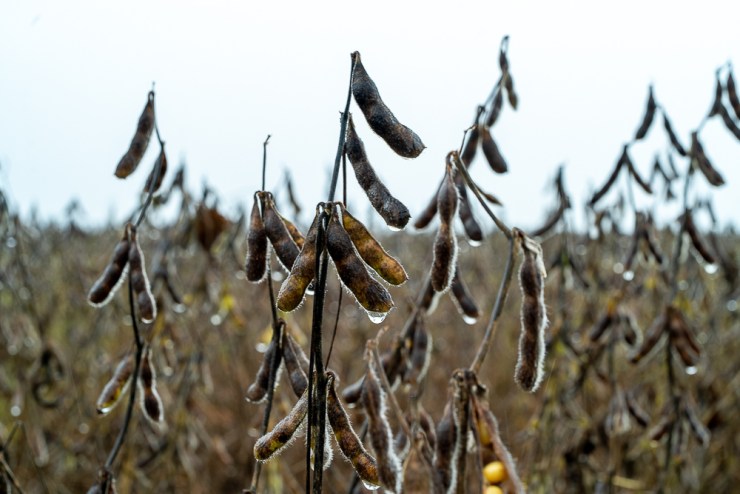
At the same time, the system is environmentally friendly, with low greenhouse gas emissions and allows for carbon sequestration, making the activity more resilient to climate change. Agricultural crops such as grains [soybeans and corn] and fiber production [cotton] can be used in ILPF (Integrated Crop-Livestock-Forestry Systems).
The livestock sector primarily encompasses beef or dairy cattle farming, while the forestry sector involves silviculture, notably eucalyptus plantations. Contrary to popular belief, ILPF (Integrated Crop-Livestock-Forestry Systems) can be adapted to small, medium, and large farms across all Brazilian biomes. "Brazil has 159 million hectares of pastureland that can be converted into ILPF areas, further expanding the country's agricultural production area without any need for new land clearing," notes Francisco Matturro, CEO of the ILPF Network.
Currently, the ILPF Network reaches approximately 17.4 million hectares nationally, according to the Network's figures. “Integrated Crop-Livestock-Forestry means the emancipation of the producer. How? Because it provides short-term income from grain and cereal crops. It has livestock in the medium term and the forestry component in the long term,” Matturro emphasizes.
This new agreement complements the Integrated Programs of the ILPF Network in five states: São Paulo, Rio de Janeiro, Goiás, Paraná, and Rio Grande do Sul – in addition to a nationwide agreement with the Brazilian Association of Zebu Breeders (ABCZ).