 EN
 PT_BR
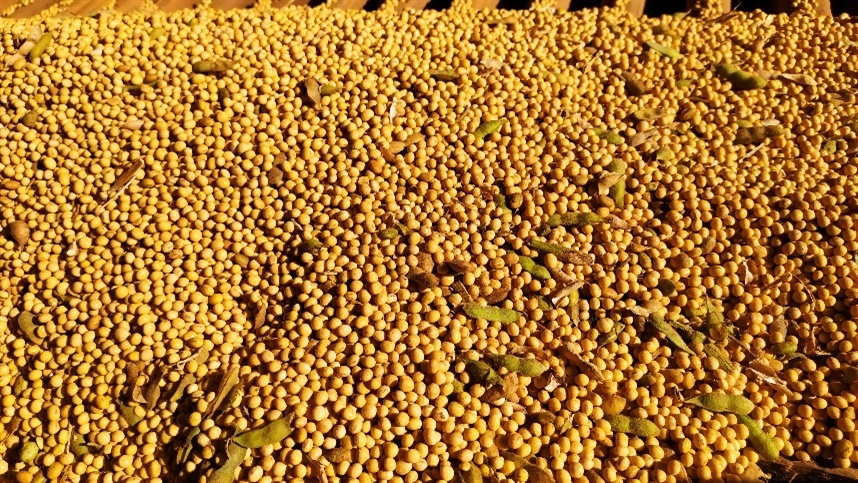
The market of soy The market remains supported by positive fundamentals, but the recent weakening of prices reinforces the need for greater caution in trading. This assessment comes from TF Agroeconômica, which suggests that the main strategy is to make partial sales, preserving part of the position for potential further price increases.
In Chicago, the main trend is still upward, although the November 2026 contract has entered a consolidation phase after the appreciation observed since August. The region of US$ 13.00 per bushel is considered decisive, while US$ 13.20 to US$ 13.30 appear as important resistances. A break below US$ 12.92 would increase the risk of a correction.
In Brazil, the CEPEA/ESALQ Paraná indicator remains at a high level, close to R$ 152 to R$ 155, but also shows a loss of momentum. This scenario favors a staggered strategy, avoiding both the sale of all production and total exposure while waiting for new highs.
For farmers, the advice is to take advantage of some current prices, hold a portion for possible continued increases, and protect the rest through futures or options. Cooperatives can combine installment sales with hedging of their physical position, monitoring Chicago prices, exchange rates, premiums, and regional markets.
Grain producers should prioritize discipline in inventory management, avoiding short positions and purchases without a defined margin. For crushing industries, the decline in margins recommends gradual purchases and hedging of future acquisitions. Feed industries can work with phased purchases of bran, reducing the risk of depending on a sharper price drop. The central strategy is to reduce exposure without completely abandoning the possibility of further price increases in a market that remains firm but is more vulnerable to rapid corrections.