 EN
EN  PT_BR
PT_BR 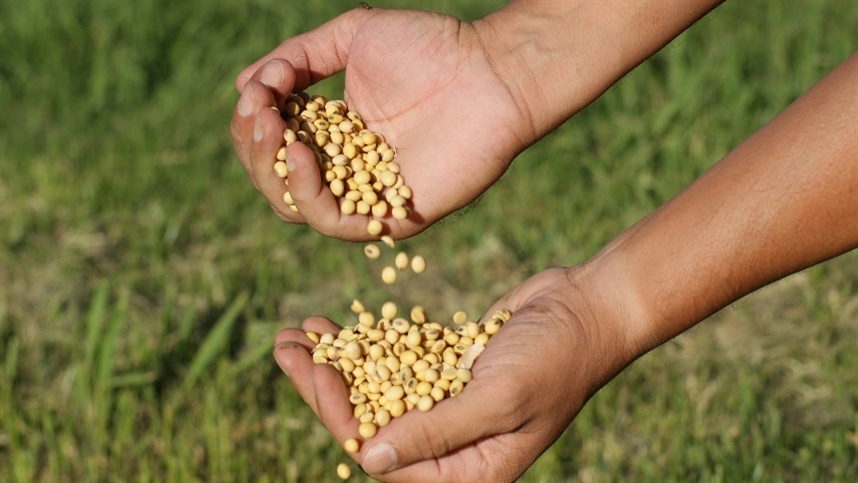
The market of soy The market showed distinct movements in the main producing regions of the country, with declines in the interior, stability in some areas, and occasional resistance at the ports. According to TF Agroeconômica, the performance of the physical market reflected strong external pressure from the Chicago Stock Exchange, although local factors limited losses in certain regions.
In Rio Grande do Sul, Não-Me-Toque and Nonoai registered R$ 140 per sack, an increase of 0.72%, while the Port of Rio Grande remained stable at R$ 163 for immediate delivery and R$ 164 for delivery and shipment in October 2026. Ijuí and Cruz Alta closed at R$ 150, with a decrease of 0.66%, and Passo Fundo and Santa Rosa remained at R$ 151, also down.
In Santa Catarina, Rio do Sul maintained its soybean price at R$ 140, while Palma Sola remained at R$ 138.50. Producers reported more aggressive offers from local buyers in response to the agribusiness demand for grains.
In Paraná, the Cepea/Esalq Indicator fell 0.64%, to R$ 152.82 per sack, and the ESALQ/B3 in Paranaguá retreated 0.73%, to R$ 160.55. The export premium for September 2026 remained firm at US$ 1.85 per bushel. In the interior, Cascavel fell to R$ 153, while Maringá and Ponta Grossa remained stable at R$ 151.
In Mato Grosso do Sul, Chapadão do Sul saw a drop of 1.39%, to R$ 142. Campo Grande stood out with an increase of 1.40%, reaching R$ 145. In Mato Grosso, losses reached R$ 5 per sack in isolated transactions, with significant declines in Lucas do Rio Verde, Nova Mutum, Primavera do Leste, and Rondonópolis. Sorriso was quoted at R$ 135.20, while soybean meal reached R$ 1,911.88 per ton.