 EN
EN  PT_BR
PT_BR 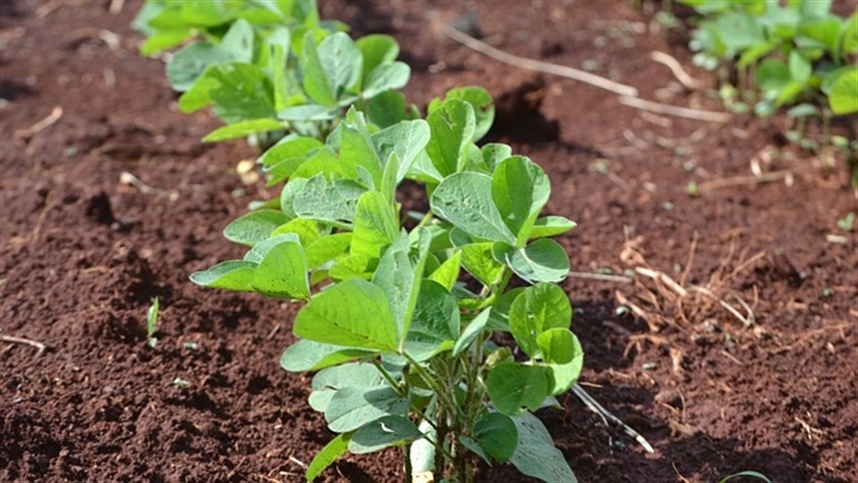
The 2026/27 harvest begins marked by a mismatch between the conditions observed in the field, price behavior, and the producer's financial results. This assessment comes from Ricardo Leite, executive superintendent of Banco Safra, who highlights the influence of productive, commercial, exchange rate, and geopolitical factors on the main crops.
In soybean production, planting is expected to progress under different conditions, with more favorable moisture levels in Paraná and dependence on more regular rainfall in areas of the Midwest and North. This difference could alter the pace of sowing, harvesting, and the establishment of the second crop. International price increases also reflect US crops, fund activity, Chinese demand, and geopolitical risks.
The rise in Chicago, however, does not necessarily mean greater gains for Brazilian producers, as export premiums may decline. The result in reais also depends on the exchange rate, logistics, and the timing of the sale. In the case of corn, the available supply after the second harvest helps to limit the transmission of external price increases to the Brazilian physical market.
In cotton, favorable productivity does not guarantee the same performance in quality, which can be affected by the weather and influence marketing differentials. In wheat, even crops with good development coexist with a strong influence from the risk to supply from the Black Sea, the exchange rate, and import parity.
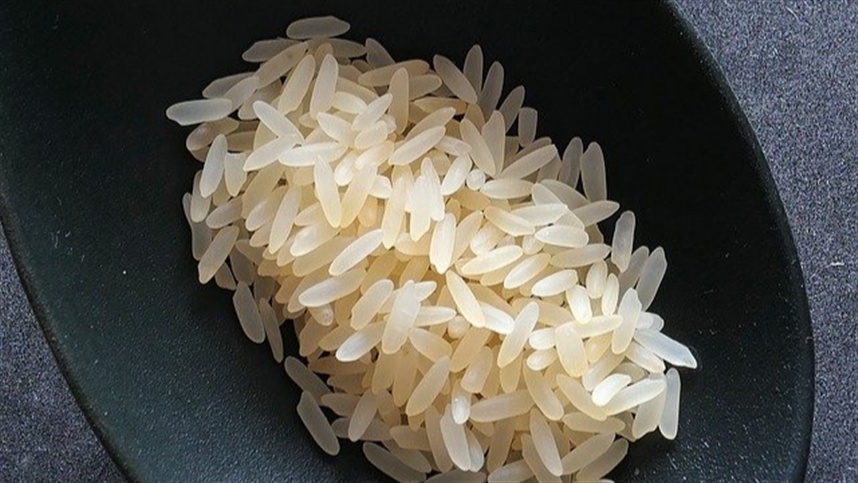
Coffee and rice reinforce this scenario. In coffee, reduced stocks, exports, logistics, and quality maintain price sensitivity. In rice, the recovery in prices coexists with undercapitalization, restricted credit, and climatic uncertainties. The start of the harvest thus shows that production, prices, and financial results may follow different trajectories.