 EN
EN  PT_BR
PT_BR 
Brazilian grain production is expected to reach 361.7 million tons in the 2025/26 harvest, according to data released by the National Supply Company (Conab) and analyzed by the Economic Department of the Federation of Agriculture and Livestock of the State of São Paulo (Faesp). This volume represents an increase of 2.61 TP4T compared to the previous season and consolidates a new record estimate for the country.
The projection represents an increase of 9.2 million tons over the previous harvest. Compared to the previous survey, the estimate grew by 0.3%, equivalent to 967,500 tons.
According to data released by Conab and analyzed by the Economic Department of Faesp, the advance is mainly related to the performance of corn second crop, whose productivity has exceeded initial expectations.
The estimate for corn was raised by 1.1 million tons, reaching 144 million tons. Favorable weather conditions in the main producing regions and investments made in the crops contributed to the positive revision.
The producers' decision to invest was also influenced by the expectation of more attractive prices during the marketing period.
THE cotton It should also reach the highest production in the historical series. According to data released by Conab, the forecast has been increased by 140,700 tons, driven by productivity gains in Bahia, Piauí, and Goiás.
With the revision, cotton production is estimated at 5.87 million tons in the 2025/26 crop year. The planted area remained stable, while lower global supply contributed to making prices more attractive to farmers.
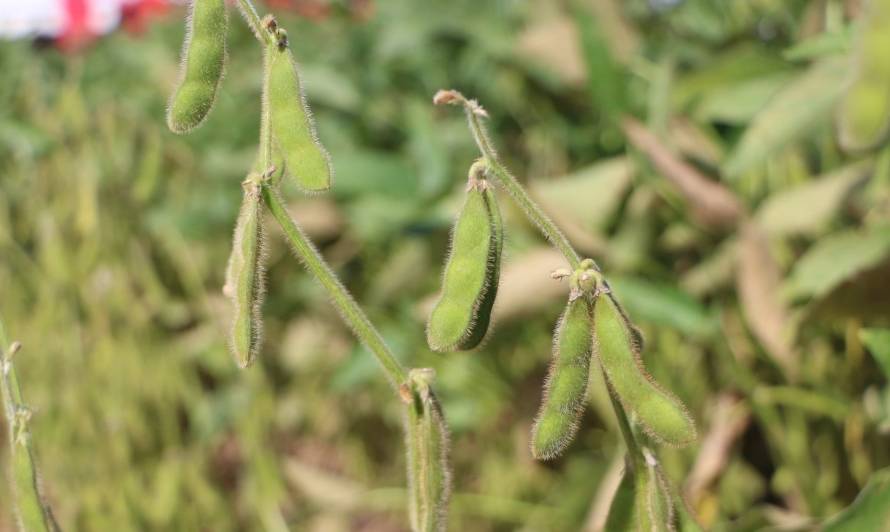
Soybeans continue to be one of the main highlights of the harvest and are expected to reach 180.4 million tons, also a historical record.
Despite the higher production, there was a reduction of 56,900 tons in the estimate compared to the previous survey. According to data released by Conab, the revision is related to a slight loss of productivity caused by dry weather in some locations and excessive rainfall in others.
The growth of soy This follows the expansion of demand for the product and its derivatives. Soybean oil reached record domestic sales and also presented a significant volume destined for the international market.
Part of the product that was intended for biodiesel production was also directed to exports, due to the lack of completion of the B16 approval process.
Not all crops received a positive review. According to data released by Conab, rice, peanut, bean, sesame and sunflower These are among the products that have had their estimates reduced.
In the case of rice, the reduction is related to the smaller area planned for cultivation. According to data released by Conab, the decision was influenced by lower prices paid to producers and increased production costs.
In São Paulo, grain production is expected to reach 12.29 million tons, according to data released by Conab and analyzed by the Economic Department of Faesp. This volume represents a growth of 5.31 TP4T compared to the 2024/25 season and a new record for the state.
The result in São Paulo is supported by expectations of increased productivity and cultivated area.
Corn is expected to account for 4.73 million tons in the state, considering both harvests. This volume represents an increase of 7.41 TP4T compared to the previous season.
According to data released by Conab and analyzed by the Economic Department of Faesp, the second corn crop is expected to reach 2.91 million tons, a growth of 4%. The first crop is estimated at 1.8 million tons, an increase of 13.4%.
Peanuts are also among the highlights of São Paulo's production. The first harvest is expected to reach 1.02 million tons, an increase of 11.7% compared to the previous season.
Productivity is estimated at 4,850 kilograms per hectare, 12.8% above that recorded in 2024/25. Considering both harvests, São Paulo should produce 1.03 million tons of peanuts, an increase of 11.6%.
Soybean production is also expected to reach a new record in the state, with an estimated yield of 5.37 million tons, an increase of 1.71 TP4T compared to the previous season.
According to data released by Conab and analyzed by the Economic Department of Faesp, the area cultivated with soybeans should grow by 3%, reaching 1.4 million hectares.
The increase in area supports the growth in production, even with a reduction of 1.2% in the average crop yield.
Considering both summer and winter crops, the planted area in São Paulo is expected to grow by 2.9%, reaching 2.75 million hectares.
The national scenario combines record production in crops such as soybeans and cotton with the growth of second-crop corn. In São Paulo, the expansion of the planted area and productivity gains also support a new record for state production.