 EN
EN  PT_BR
PT_BR 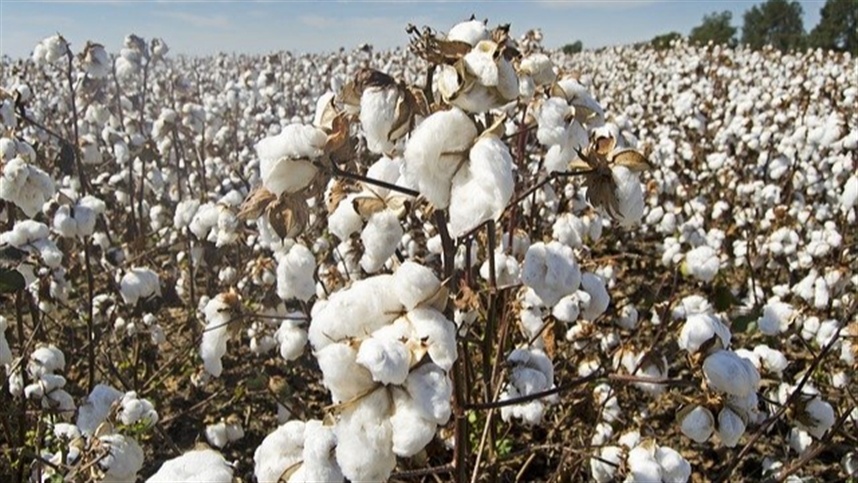
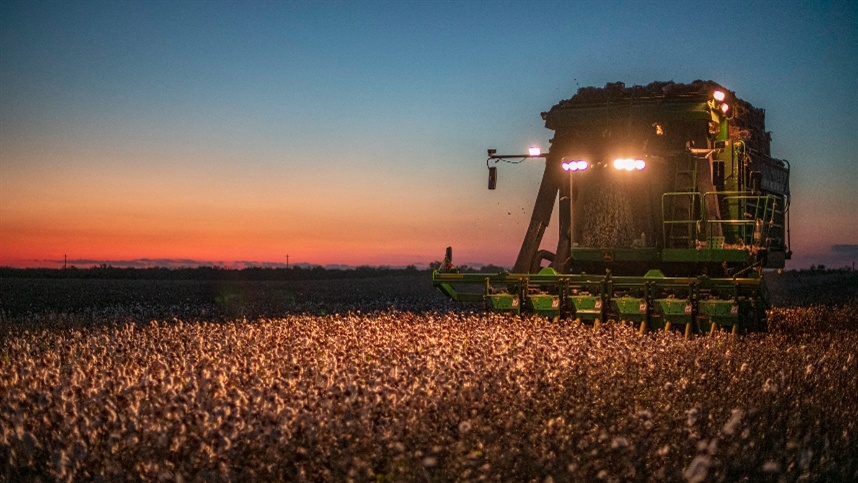
The harvest of cotton The operation should be interrupted when heavy rain or dew leaves plants, bolls, and fibers damp. Continuing the operation under these conditions can increase the presence of impurities, promote blemishes, hinder processing, and compromise product quality.
Between May and September, episodes of morning dew and sporadic rain can rapidly alter harvesting conditions. When the fiber is wet, it becomes heavier and adheres more closely to the boll, while leaves, bracts, and other plant debris also accumulate water and tend to be collected more easily by the machine.
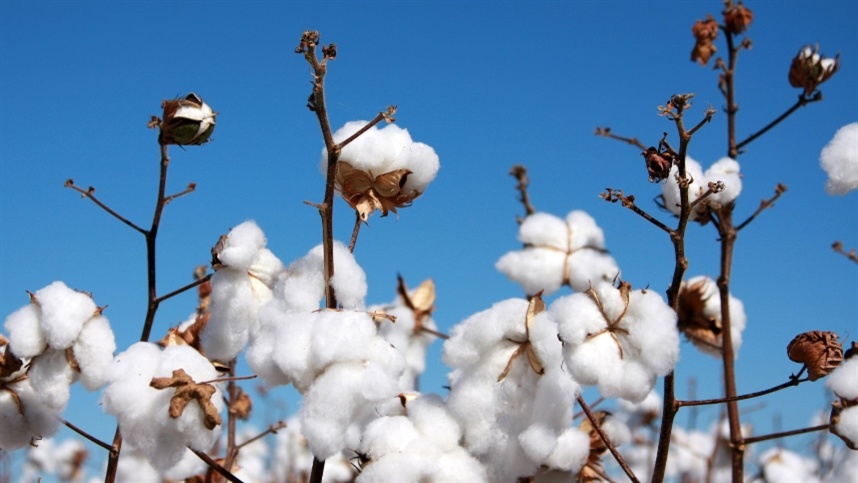
The most obvious sign to stop the operation is the presence of visibly wet, shiny fiber or fiber clinging to the husks. Leaves that still release water when touched, increased clogging, and a greater amount of impurities in the harvested cotton also indicate unsuitable conditions.
Harvesting should only resume after the plant and bolls are visibly dry. The fiber should be fluffy, loose, and easily separated by touch, without forming compact clumps.
Weather conditions also affect drying time. With clear skies, light winds, and sunshine, drying can occur throughout the morning. On cloudy, cold days or days with high relative humidity, the return from harvesting may take longer.
After re-entering the area, the recommendation is to operate with extra caution, adjust the speed, and monitor the amount of impurities and the harvester's performance.
The final decision should take into account crop conditions, weather, machinery, and processing logistics, avoiding fixed deadlines after the rain.