 EN
EN  PT_BR
PT_BR 
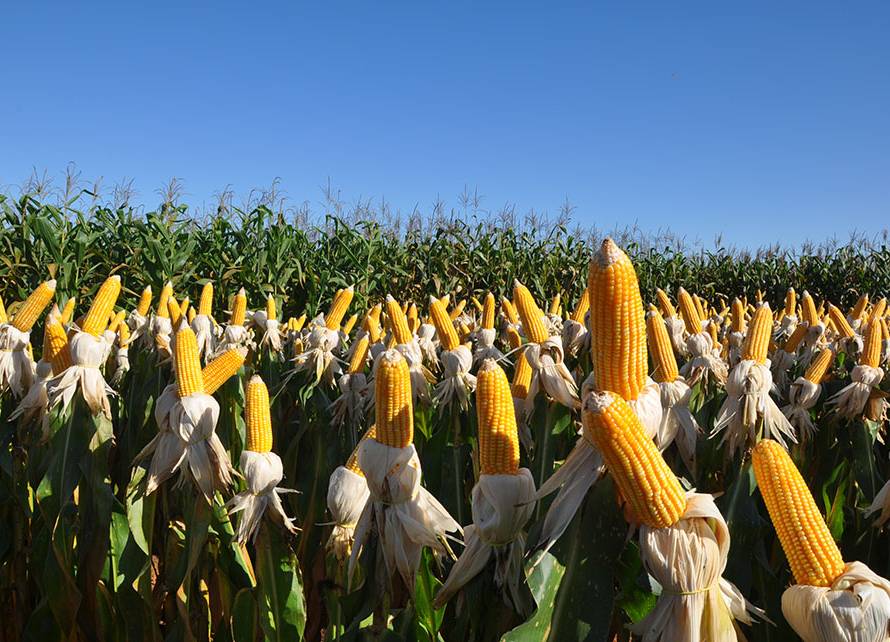
The market of corn The week will be marked by the USDA's quarterly inventory report, the progress of the harvest in the United States, and the advancement of planting. soy In Brazil, according to data released by Grão Direto, these factors can influence prices and quotation formation in the short term.
According to data released by Grão Direto in the "Direto do Campo" analysis by Grainsights, the USDA's stocks report will be released on Wednesday. The document may indicate how much corn from the previous crop remained available in the United States and alter supply projections for the 2026/27 season.
The quarterly inventory report will be one of the main points of attention for the market this week. According to data released by Grão Direto, the result will help to gauge the availability of corn from the previous crop in the United States.
This information could also lead to changes in supply projections for the 2026/27 season, influencing market expectations.
The progress of the harvest in the United States will continue to be a major driver of corn futures contracts in Chicago, according to data released by Grão Direto. An accelerated harvest tends to increase the physical availability of the grain and may increase pressure on contracts in the short term.
In addition to the pace of work in the fields, the market will be monitoring the initial productivity results. This data will be important in assessing whether the actual size of the harvest confirms current estimates.
In Brazil, attention is divided between summer corn and soybean planting. According to data released by Grão Direto, the speed of soybean planting will be crucial in determining the available window for the second corn crop of 2027. In Mato Grosso, producers are seeking to advance soybean planting as soon as rainfall conditions allow. The goal is to reduce the risk of a shorter window later for the second corn crop.
The exchange rate also remains an important component in the formation of corn and soybean prices in the Brazilian market. According to data released by Grão Direto, in the United States, persistent inflation keeps the market attentive to the possibility of higher interest rates. In Brazil, the IPCA-15 (Brazilian inflation index) for September came in above expectations. This scenario could increase exchange rate volatility and generate occasional opportunities in domestic soybean and corn prices.
Given this environment, according to data released by Grão Direto, producers should monitor market fluctuations and, above all, pay close attention to production costs.