 EN
 PT_BR

The rains favored the start of planting for the 2026/27 crop and the development of the crops, but also brought impacts to the winter crops of the 2025/26 season. According to data released by the National Supply Company (Conab), the excess rainfall already requires attention, especially in wheat-producing areas. The ninth edition of the 2026 Agricultural Monitoring Bulletin from Conab, published on the 25th, analyzed the main grain-producing regions of the country between September 1st and 21st.
The highest rainfall volumes, exceeding the climatological norm, were recorded in parts of Amazonas, Mato Grosso do Sul, São Paulo, southern Minas Gerais, Paraná, Santa Catarina, and northern Rio Grande do Sul.
According to data released by Conab, in Matopiba rainfall helped reduce the risk of fires, but was not sufficient to replenish soil water storage and allow sowing in most rainfed areas. In the semi-arid regions of Minas Gerais and the Northeast, there was practically no rain during the analyzed period.
Available moisture already allows for observation of the progress of the new harvest in different crops. In Rio Grande do Sul, approximately 10,000 hectares of rice have been sown in the Western Border region. In Paraná, soil moisture has favored the planting of the first corn crop. In Santa Catarina, sowing also continues, although excess moisture limits the pace of the machinery. In Mato Grosso do Sul, the first soybean areas have begun to be planted.
As the new harvest progresses, frequent rains are creating difficulties for wheat crops. In Paraná, harvesting is being adjusted to avoid rainy periods and preserve grain quality. According to data released by Conab, in Santa Catarina the sequence of rains maintains high phytosanitary pressure, requiring attention to Fusarium head blight, rusts, powdery mildew, and leaf spots. In São Paulo, the combination of rain and low temperatures compromises grain quality and can cause germination of the cereal while still on the ear.
Satellite monitoring also shows changes in conditions of wheatAfter remaining above the previous harvest and the historical average for most of the periods between July and August, the vegetation index fell below the previous cycle in the most recent data from most monitored regions. According to data released by Conab, this behavior may indicate crop deterioration, mainly due to excess moisture. The company emphasizes, however, that other factors also influence the indicator, such as the corn harvest and changes in vegetation cover.
The harvest of cotton The 2025/26 harvest is progressing at different paces depending on the producing region. In Bahia, some crops are still maturing. In Minas Gerais, the work is nearing completion. According to data released by Conab, the harvest has already ended in Mato Grosso, Mato Grosso do Sul, and Goiás.
Planting of the first corn crop for 2026/27 is progressing in the main producing regions, with generally favorable conditions. However, excess moisture is limiting the pace of work in some areas. In Rio Grande do Sul, reduced rainfall has allowed machinery to enter the area, especially in the earlier planting zones, which are nearing the end of the planting season.
The harvest of the 2025/26 second corn crop continues in the main producing regions. In São Paulo, excess water in the soil prevented the harvesters from entering the fields. With reduced rainfall and rising temperatures, operations have resumed, but still at a reduced pace. In Mato Grosso do Sul, the rainy and humid weather continues to prevent the completion of the harvest.
The harvest of corn The third crop of 2025/26 shows different results between irrigated and rainfed areas. In western Bahia, irrigated crops show good productivity. In northeastern Bahia, the drought that began in June compromised the productive potential. In Sergipe, irregular rainfall affected the crops. In the municipalities of Simão Dias and Poço Verde, part of the areas were destined for silage production.
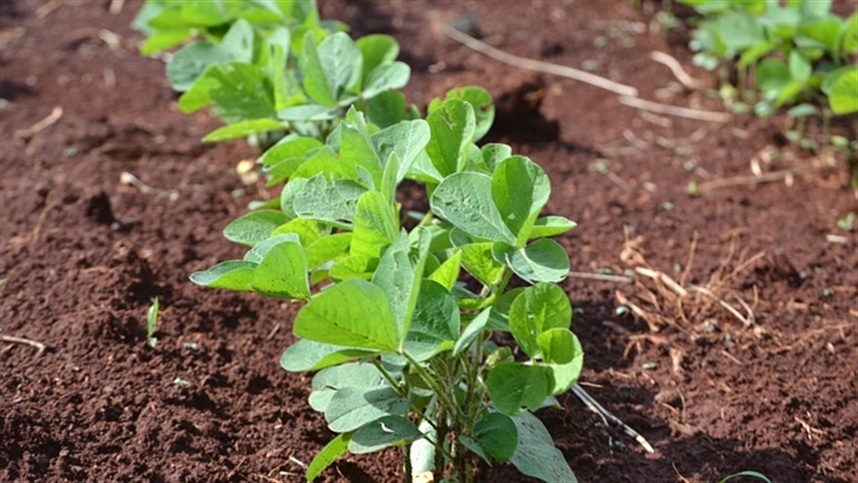
The sowing of soy The 2026/27 planting season is progressing at different paces across the country. In Mato Grosso, planting is occurring mainly in irrigated areas and only sporadically in rainfed areas. According to data released by Conab, in Mato Grosso do Sul, moisture conditions are favorable for the start of sowing in almost the entire state. In Paraná, where the sanitary break has already ended in some regions, climatic conditions have favored the start of planting.
The sowing of rice The 2026/27 season is also progressing in different producing regions, benefiting from moisture conditions in some areas. In Santa Catarina, planting is underway. Water availability favors crop establishment, although excess moisture can restrict operations and make management difficult. In Maranhão, irrigated rice is in a more advanced stage, with the first areas already being harvested. Planting of rainfed rice is expected to begin only in December.