 EN
EN  PT_BR
PT_BR 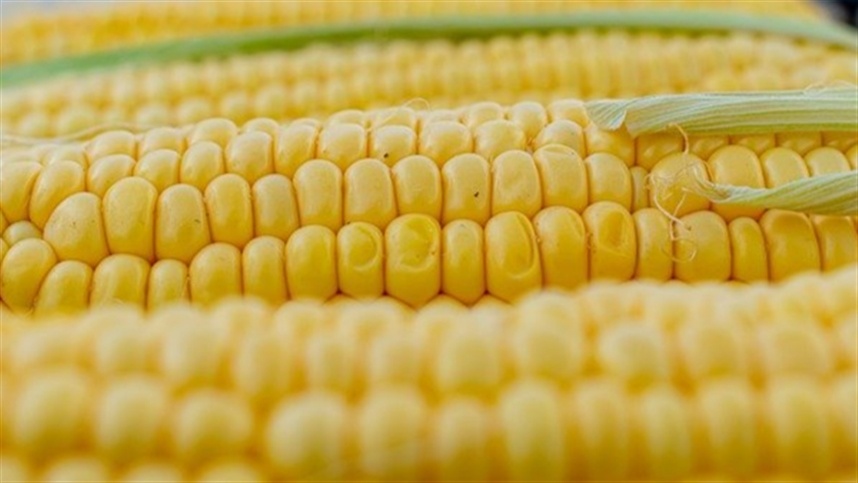
Brazilian corn exports are facing increased competition in the international market due to growing supply from major exporting countries. According to data released by the Mato Grosso Institute of Agricultural Economics (Imea), this scenario increases the challenge for the outflow of the 2025/26 harvest, while Brazilian shipments are registering a decline at the beginning of the commercial cycle.
According to data released by Imea, the National Supply Company (Conab) projects Brazilian corn exports at 43.91 million tons in the 2025/26 crop year. This volume represents an increase of 5.49% compared to the previous season.
Despite projected growth, actual shipments fell short of previous levels. According to Imea, based on information from the Secretariat of Foreign Trade (Secex), between July and August 2026, Brazil exported 6.59 million tons of corn. This volume represents a decrease of 28.931 TP4T compared to the previous year.
During the same period, the average corn price in Santos fell by 9.66%. According to data released by Imea, this movement signals less support for external demand for Brazilian corn.
At the same time, domestic demand increased competition for corn, adding pressure on the volume available for export.
International competition has also increased with the greater presence of major exporting countries. The United States projects exports of 87 million tons, an increase of 21,03% compared to the previous harvest.
North American expansion is supported by ample supply and strong sales in the Americas and Asian markets. This increase intensifies competition for the international market precisely at a time when Brazil is seeking to export its 2025/26 harvest.
Argentina also has a greater presence in the global corn trade. The country is expected to export 45 million tons, a growth of 30.43% compared to the previous season. The increased Argentine supply intensifies the competition with Brazil for markets in Africa and Asia. The increased availability of Argentine corn increases competition for international buyers and adds pressure on Brazilian competitiveness.
Ukraine, in turn, is expected to export 22.40 million tons of corn, an increase of 9.27%. According to data released by Imea, the country maintains its focus on the European and Mediterranean markets, despite logistical constraints. With the United States, Argentina, and Ukraine expanding their exports, the international market will have greater availability of corn from important suppliers.
Increased external competition and slower Brazilian shipments reinforce the importance of factors related to the competitiveness of domestic corn. Prices, exchange rates, and port competitiveness will be relevant for the flow of the Brazilian harvest. This scenario makes the ability to compete in the foreign market one of the central points for the advancement of Brazilian corn exports in the 2025/26 harvest.