 EN
EN  PT_BR
PT_BR 
The possibility of a strong El Niño event by the end of the second quarter of 2027 could generate distinct effects across crops and regions, impacting productivity, logistics, credit, and prices. According to economist André Galhardo Fernandes, the Monetary Policy Report released this Thursday by the Central Bank estimated the impact of the phenomenon on... soy, corn, cotton, rice, sugarcane and coffee, which together account for approximately 75% of the value of national agricultural production.
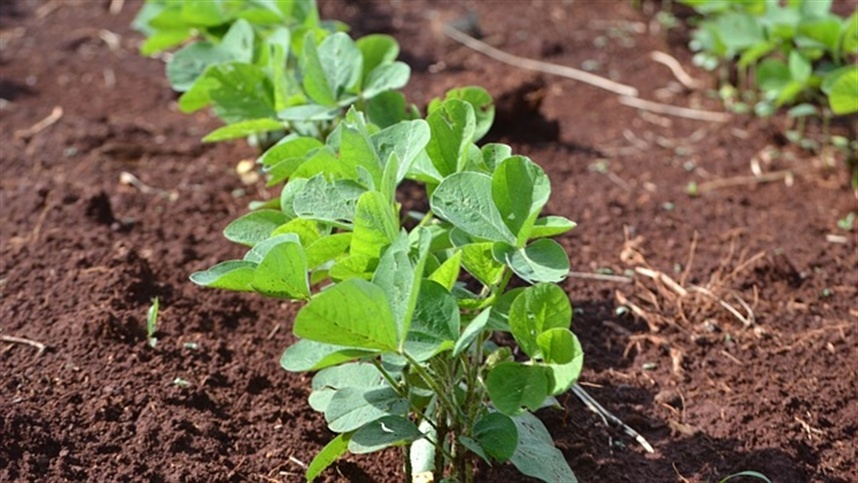
In soybeans, the national effect is close to zero, but it masks regional differences. The productivity gain in Rio Grande do Sul, linked to increased rainfall in the South, compensates for losses in Matopiba, mainly in Piauí and Maranhão. Thus, a neutral aggregate result may conceal significant changes in the distribution of production.
In corn, the coefficients are negative and significant for the country, both in El Niño and La Niña episodes, with no compensation between regions. The greatest concern is in the second crop, responsible for the majority of national production. Cotton follows a similar trend, with negative impacts in most states, although Mato Grosso does not show an identifiable effect.
Rice is the most direct example, with a negative effect on the national aggregate, particularly in Rio Grande do Sul. Current projections are consistent with an adverse impact in 2027 similar to that of 1998 and 2016. Sugarcane does not show a significant effect, while in coffee the clearest signal is the gain associated with La Niña.
For monetary policy, simultaneous shocks in different crops can be more difficult to treat as transitory. Regional analysis also shows that planting, insurance, and credit decisions require attention beyond national figures.