EN
EN  PT_BR
PT_BR Livestock farming plays a strategic role in the economy of Mato Grosso and goes beyond cattle breeding. On National Livestock Day, celebrated on October 14th, the Mato Grosso Agriculture and Livestock Federation System (Sistema Famato) highlights the strength of cattle farming and the diversity of other activities that supply the domestic market and expand marketing opportunities in Brazil and abroad.
Mato Grosso had 31.12 million head of cattle in May 2026, according to the Mato Grosso State Institute for Agricultural Defense (Indea).
The activity drives different sectors, from raising cattle on rural properties to transportation, industrial processing, and marketing of the meat. The international market also plays an important role, with China among the main destinations for Brazilian beef.
According to Amarildo Merotti, coordinator of the Famato Livestock Commission, cattle farming plays an important role in the state's development, without neglecting other activities. He believes that valuing this diversity means recognizing the work of rural producers and the potential of Mato Grosso's animal production.
“Our state has the largest cattle herd in the country. It is a productive activity that drives the economy, generates jobs, and contributes to supplying markets. At the same time, the state has other important activities, such as pig farming, poultry farming, fish farming, and sheep farming, each with its own characteristics, markets, and challenges. The Famato System is committed to seeking conditions to strengthen these activities, increase competitiveness, and generate new opportunities in the field,” reinforces Amarildo.
Pig farming in Mato Grosso also plays a significant role in supplying other states and in exports. In 2024, the state produced 258,890 tons of pork, more than half of which was destined for other states in Brazil. This data is from a report by the Mato Grosso Pig Breeders Association (Acrismat), compiled using information from the Mato Grosso Institute of Agricultural Economics (Imea) and other official sources.
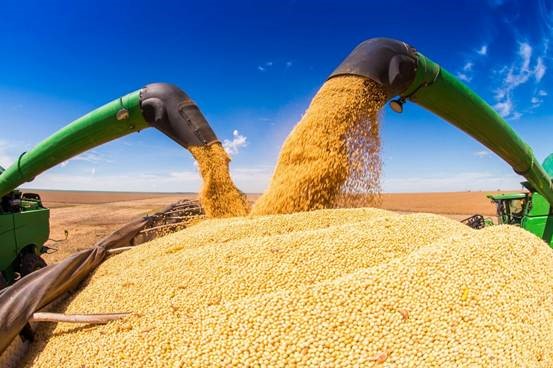
It involves rural producers, input suppliers, and agribusinesses, in addition to taking advantage of the availability of grains in the state for animal feed.
In fish farming, Mato Grosso was the seventh largest producer of farmed fish in Brazil in 2025, with native species standing out, representing the majority of the state's production. Tambaqui, pintado, and tambatinga are among the fish raised in the state. Tilapia is also gaining ground, expanding the variety of products available to the market.
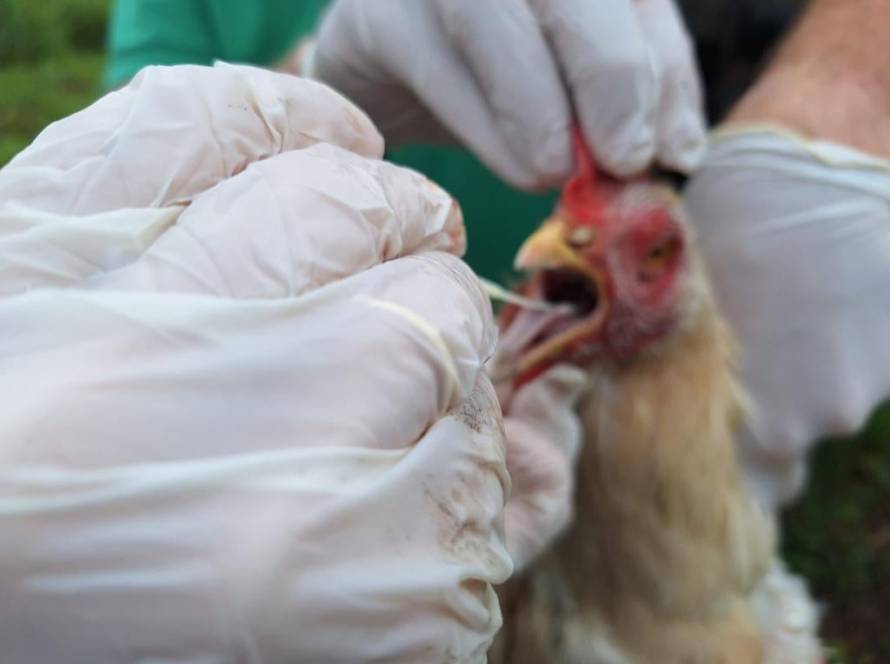
Poultry farming, in turn, maintains a growth trajectory. Chicken meat production increased in 2024 and continued to grow in 2025, according to data from the Brazilian Institute of Geography and Statistics (IBGE). This performance is linked to a chain that encompasses nutrition, genetics, health, breeding, and industrial processing.
Sheep farming, however, presents a different scenario. Although present in several regions of Mato Grosso, the state's herd has decreased in recent years, according to a survey by Imea. This scenario highlights the specific challenges of this activity and the importance of seeking conditions to strengthen its production and marketing.
According to Marcos Carvalho, technical advisor for Livestock at Famato, Mato Grosso has the potential to add value to agricultural production through the conversion of vegetable protein into animal protein. The availability of corn, soybeans, DDG, cottonseed meal, and other byproducts favors animal feed and contributes to the competitiveness of production.