EN
EN  PT_BR
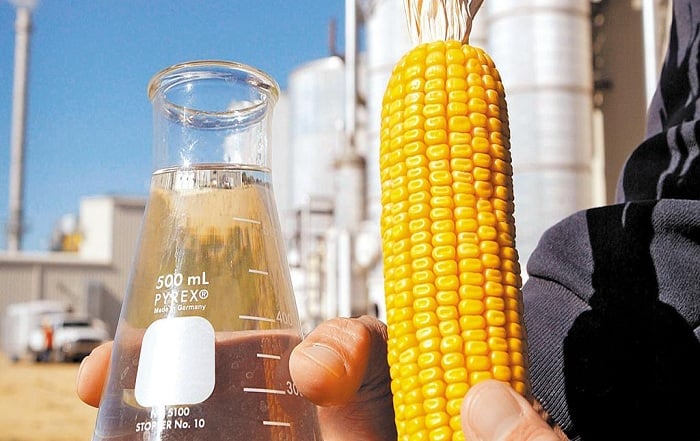
PT_BR The advancement of corn ethanol, coupled with the solidity of sugarcane production, is key to accelerating the expansion of biofuels and strengthening Brazil's energy transition. According to Bioind MT (the Bioenergy Industries Union of Mato Grosso), the two chains are complementary and need to work in a coordinated manner to increase the sector's competitiveness and promote new decarbonization pathways.
The assessment was presented by Wellington Andrade, executive director of the organization, during the 19th National Bioenergy Congress, promoted by UDOP, one of the main meetings of the sugarcane energy sector in the country. In his presentation, the executive argued that the biggest challenge for the sector is not the competition between different production routes, but the need to expand the space for renewable fuels in the face of the predominance of fossil fuels.
“Sugarcane ethanol and corn ethanol do not compete with each other. If the sector acts together, it will expand its capacity to influence the Brazilian energy agenda and increase the market share of biofuels,” stated Wellington Andrade.
For him, the advancement of bioenergy depends on a common institutional agenda capable of benefiting the entire production chain. Among the priorities are strengthening RenovaBio, expanding the mandatory blending of ethanol in gasoline to up to 35% (E35), building a robust carbon market, preserving the competitive tax advantage of biofuels, and investments in logistics infrastructure.
Another highlighted theme was the potential for international expansion. Andrade emphasized that Brazilian ethanol is advancing in new markets, such as aviation and maritime transport. The Future Fuel Law is driving the development of SAF (Sustainable Aviation Fuel), while Maersk's tests and the recent definition by the International Maritime Organization (IMO) on the carbon intensity of corn ethanol reinforce the competitiveness of the Brazilian product on the global stage.
During the presentation, Andrade also highlighted the evolution of ethanol production in Mato Grosso, a state that has established itself as the main national hub for corn ethanol. The projection for the 2026/27 harvest is 8.44 billion liters, a result of the consistent growth in production over the last decade and the investments made by the mills located in the state.
When discussing the outlook for the sector, Andrade stated that the future of bioenergy involves consolidating plants as biorefineries, expanding production to include biomethane, renewable fertilizers, biochemicals, low-carbon hydrogen, SAF (Sustainable Agricultural Products), and synthetic fuels.
“The future of bioenergy goes far beyond ethanol. Brazil has unique conditions to lead the energy transition, integrating different technological routes and converting the competitive advantages of sugarcane and corn into new low-carbon solutions,” concluded Wellington Andrade.
Skip to content
Skip to sidebar
Skip to footer