 EN
 PT_BR

The post-harvest period for wheat, especially between October and February, requires attention from producers and storage facilities to reduce the risk of grain contamination by mycotoxins. Higher temperatures and the presence of moisture favor the development of fungi when drying and storage conditions are not adequate.
Among the main mycotoxins associated with wheat are deoxynivalenol (DON) and zearalenone, produced by fungi of the genus Fusarium, as well as aflatoxins, related to fungi of the genus Aspergillus. These substances can compromise the quality of batches, cause economic losses, and pose risks to human and animal health.
Contamination can begin even in the field. The fungus Fusarium graminearum, associated with Fusarium head blight, can infect the ears of corn and begin producing mycotoxins even before harvest. Burnt, shriveled, broken grains or those with color changes are more likely to be contaminated by fungal infection. According to Agricultural Engineer Ubirajara Fontoura, the climatic anomalies occurring in the current harvest are contributing factors. wheatDue to the El Niño phenomenon occurring in the southern wheat-growing region of Brazil, the presence of the fungus has been favored, with the appearance of Gibberella in many areas, potentially leading to the contamination of grains. wheat with mycotoxins.
After harvesting, the risk is mainly related to the combination of high humidity, favorable temperatures, and the presence of damaged grains or impurities. Delayed drying can allow the multiplication of fungi, especially when wheat remains for extended periods in trucks, hoppers, or structures without adequate aeration.
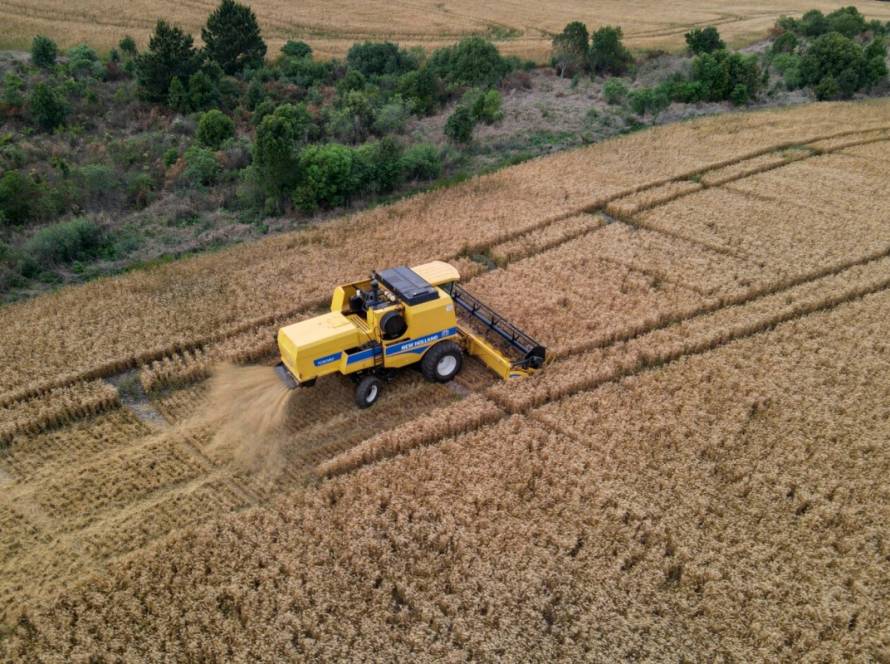
Therefore, one of the first preventative measures is to harvest at the appropriate point and correctly adjust the machinery to reduce breakage and cracking. Mechanical damage facilitates the colonization of grains by fungi and can contribute to an increased risk of contamination.
Initial cleaning also plays an important role. Removing straw, dust, clods, and other impurities helps reduce materials that can retain moisture and promote heating of the grain mass. Sorting allows for the separation of light or burnt grains, which often have a higher fungal load.
However, cleaning does not completely eliminate mycotoxins. Once formed, these substances can remain in the grains during storage and are not completely removed by industrial processing.
Drying and storage are crucial steps.
Rapid drying is one of the main measures to limit the development of fungi after harvest. Grains received with high moisture content should be prioritized for drying, especially when they show damage or signs of contamination.
The procedure should utilize appropriate temperature and airflow to reduce moisture to safe levels without causing significant thermal damage. Excessive temperatures during drying can cause cracking, increasing the vulnerability of the grains to fungal colonization.
During storage, temperature and humidity control remains crucial. The use of aeration systems helps to even out the temperature of the grain mass and reduce the formation of condensation points inside the silos.
Thermometric monitoring, when available, allows for the identification of localized temperature increases, which may indicate fungal or insect activity. Periodic inspections should also look for changes in color, musty odors, excessive moisture, and signs of overheating.
Another precaution is to keep silos and warehouses clean, avoiding the accumulation of residues from previous harvests and potential sources of infestation.
When contamination is suspected, collecting representative samples for laboratory analysis helps identify the presence of mycotoxins and guide decisions regarding the disposal of the grains.
The crop's history should also be considered. Areas with occurrences of Fusarium head blight, rainfall close to harvest, or a higher incidence of damaged grains require special attention during reception, classification, and storage.
Segregating these batches prevents them from being mixed with higher-quality grains and facilitates monitoring of storage conditions. When high levels of mycotoxins are identified, disposal must comply with legal limits and applicable technical guidelines.
In addition to health risks, contamination can result in the devaluation or rejection of batches, trade restrictions, and increased costs for analysis, segregation, and re-distribution. These consequences can affect both producers and storage facilities.
Agricultural Engineer Ubirajara Fontoura emphasizes that preventing the occurrence of mycotoxigenic fungi should begin in the field, with the adoption of Good Agricultural Practices (GAP), from sowing to harvest. Among these, we highlight the management of ear diseases, the selection of less susceptible cultivars, crop rotation, and the control of stored grain pests, all of which contribute to reducing factors associated with contamination. Frequent monitoring of stored grains through laboratory analyses that identify the presence of fungi associated with mycotoxins is crucial. This ensures the quality of the stored product, without posing risks to consumers, both human and animal.