 EN
 PT_BR
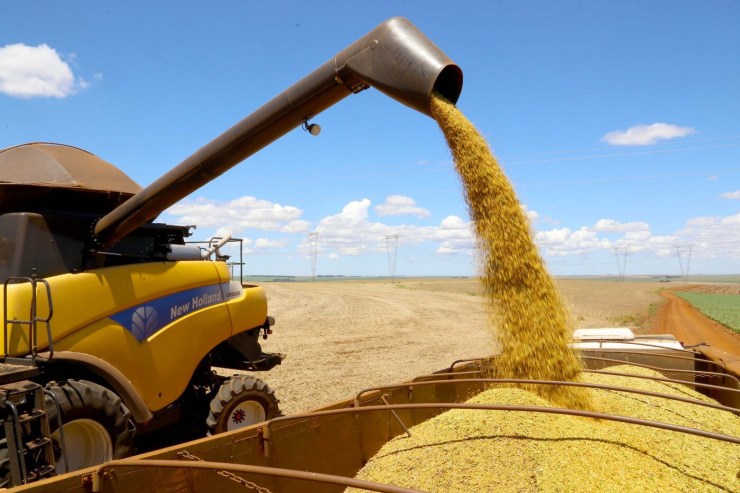
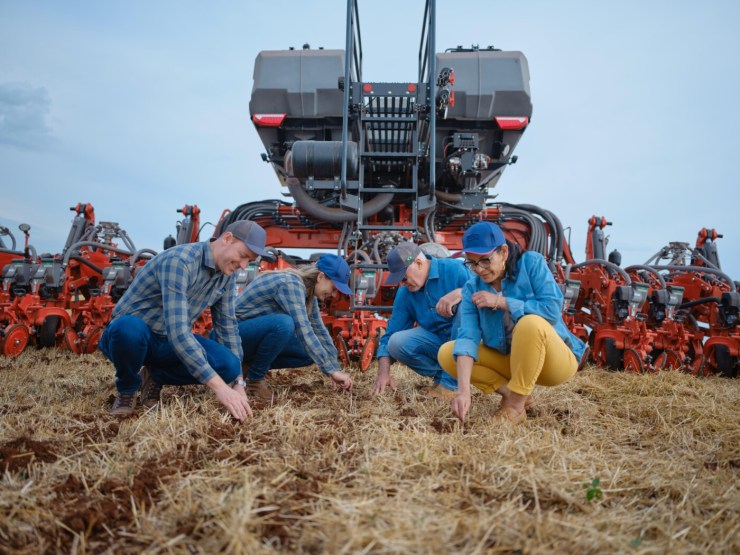
The expansion of agriculture and the strength of livestock farming have been transforming the agricultural profile of Pará, which has come to occupy an increasingly larger space in national production. According to a survey presented by Jeferson Souza, a market intelligence analyst, the state registered the highest percentage growth in the area of... soy from Brazil in the last six years.
Considering grain production, the cultivated area increased from 963,000 hectares in 2020 to an estimated 2.26 million hectares in 2026, an expansion of 134.51 TP4T. This growth represents approximately 1.3 million additional hectares over the period.
The increase in area was accompanied by an increase in production. The volume of grains, which was 2.64 million tons in 2020, is expected to reach 8.34 million tons in the 2025/26 crop year. The estimated increase is 216%, equivalent to an additional 5.7 million tons. Soybeans lead among the crops, with 3.62 million tons projected, followed by corn, with 3.04 million tons.
Livestock farming also maintains a significant share in the state's economy. The cattle herd reached 25.56 million head in 2025, equivalent to 10.9% of the Brazilian total. São Félix do Xingu concentrates approximately 2.7 million animals and has the largest municipal herd in the country.
Despite the expansion of agriculture and livestock farming, native forests represent 70.1% of the land cover in Pará, while pastures occupy 22.4% and agriculture, 5.2%.
Souza believes that the growth potential remains high, although there are challenges related to legal security and land issues. According to the analyst, a comparison with consolidated agricultural regions, such as southwestern Paraná, highlights the different realities and distinct stages of development of Brazilian agribusiness.