 EN
 PT_BR
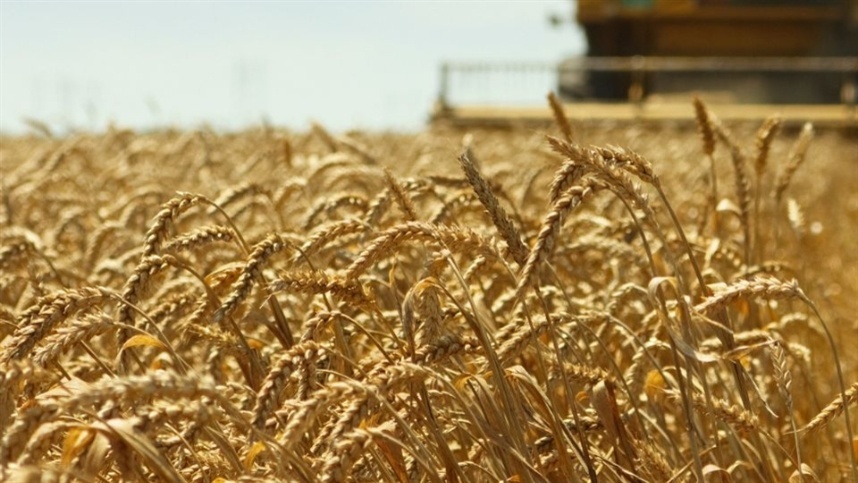
The marketing of wheat Caution is required given the pressure on international prices and the differences in supply and quality between Brazilian regions. According to TF Agroeconômica's weekly analysis, the recommendation to producers is to avoid holding back the entire harvest while waiting for a recovery in Chicago and to distribute sales over time.
The consultancy advises negotiating portions of production when the values cover costs and guarantee a satisfactory margin, preserving part of the lots for potential price increases. In Rio Grande do Sul, quality can make a difference: separating and analyzing wheat with better milling and baking characteristics helps to negotiate premiums paid by the industry. It is also important to compare the net value of the proposals, discounting freight, drying, storage, and classification.
For cooperatives, the guidance is to classify inventories by industrial standard, stagger sales, and establish contracts with clear criteria for quality, discounts, and bonuses. Grain traders should avoid excessive speculative inventories and delivery commitments without coverage, monitoring margins and replacement costs.
For mills, the analysis recommends ensuring wheat suitable for milling, diversifying suppliers, and planning gradual purchases, balancing inventory and financial costs. For exporters, care should be taken regarding export parity and price, exchange rate, and logistics protection before closing contracts.
The external environment remains pressured by the arrival of the Southern Hemisphere harvest and weak sales from the United States. On the other hand, logistical problems in the Black Sea, risks to the Argentine harvest, and the prospect of lower stocks in Brazil could support local prices. Therefore, monitoring the dollar and import parity is essential for both buyers and sellers.