EN
EN  PT_BR
PT_BR 
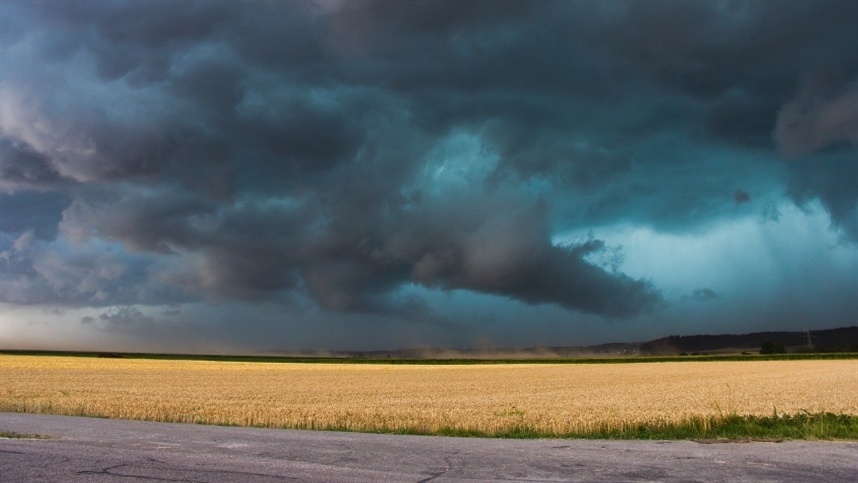
Excessive rainfall during the harvest of wheat This is compromising the quality of grains in southern Brazil and hindering the marketing of the 2026/27 harvest. The problem mainly affects Paraná and Rio Grande do Sul, where some of the grain harvested from the fields is in conditions inferior to those desired by the market.
According to an analysis by the International Center for Economic Analysis and Agricultural Market Studies (CEEMA), wheat quality will be one of the most important factors influencing prices and negotiations this season. The limited supply of suitable milling wheat and competition from Argentine grain increase the challenges for Brazilian producers.
In Paraná, the harvest had reached 75% of the cultivated area by October 12th. Despite the progress, the rains caused significant losses, especially in grain quality. This situation is worrying the market at a time when the new production is entering the market.
Click here to access AGROTEMPO
In Rio Grande do Sul, the harvest had reached 28% of the area, also with quality problems identified in the crops. Considering all of Brazil, the work had reached 40.3% of the cultivated area at the beginning of the week analyzed.
In the physical market, the average weekly price received by producers in Rio Grande do Sul was R$74.15 per 60-kilogram sack, according to a survey by Emater. In Paraná, prices remained between R$79 and R$80 per sack, according to the references presented in the CEEMA bulletin.
Negotiations in Rio Grande do Sul show differences between wheat from the previous harvest and the newly harvested product. For last season's cereal, sellers indicated prices close to R$ 1,600 per ton FOB, while buyers offered R$ 1,550. The new harvest, however, registered sporadic deals at R$ 1,400 per ton.
Lower quality wheat also has its own market references. At the port, wheat middlings were trading near R$ 1,100 per ton, a value lower than that observed for wheat with superior commercial characteristics.
Argentine competition represents another challenge to the appreciation of Brazilian wheat. According to information from TF Agroeconômica cited by CEEMA, wheat imported from Argentina showed indications of US$$ 305 per ton in Rio Grande and US$$ 310 per ton in Canoas.
In Santa Catarina, the concern goes beyond the quality of the grains. The area planted with wheat in the 2026/27 crop year is expected to have decreased by approximately 35%, while production is estimated at 243,000 tons, a drop of about 37% compared to the previous marketing year.
The reduced availability of raw materials with the characteristics required by the industry is already impacting processing. According to information from Epagri, mills in Santa Catarina reported an adjustment of 11.5% in flour price lists, amid difficulties in finding wheat suitable for production.
The situation demands attention because the total harvested volume is not the only factor considered in negotiations. The quality of the grains also influences the commercial destination of the production, especially given the demand from mills for wheat with specific characteristics.
With the harvest still underway in the south of the country, the availability of type 1 wheat remains a major market concern. The combination of quality problems, lower production in some regions, and Argentine competition is expected to influence cereal trading throughout the 2026/27 season.