EN
EN  PT_BR
PT_BR 
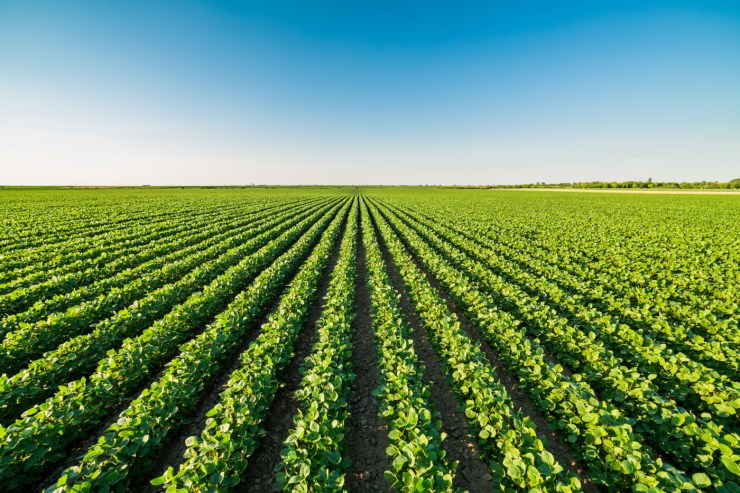
The request for early planting of soy In Rio Grande do Sul, the authorization was granted to 127 properties across 35 municipalities, totaling 20,462.8 hectares. In September, the Secretariat of Agriculture, Livestock, Sustainable Production and Irrigation (Seapi) provided producers with a form to submit this request, which authorized planting starting September 15th, two weeks before the start of the regular planting season in the state.
The procedure was established by Seapi in accordance with SDA/Mapa Ordinance 1,124/2024, of June 25, 2024, as an exception to the sowing calendar established in the State. To request the advance, the producer had to present a management plan for Asian soybean rust, a disease caused by the fungus Phakopsora pachyrhizi and considered one of the main phytosanitary threats to soybean cultivation.
The possibility of early planting addresses a demand from producers in Rio Grande do Sul, mainly in the Santa Rosa region. The difficult weather conditions recorded in recent harvests have hampered the initial establishment of crops, causing replanting and impacting the performance of cultivated areas.
“We have identified a demand for earlier soybean planting in the western region, largely due to the water conditions of the crops during flowering. The Department of Plant Protection is monitoring the occurrence of Asian soybean rust in these municipalities, and Emater will monitor productivity,” said Ricardo Felicetti, director of DDV/Seapi.
Seapi warns that plantings carried out prematurely are not covered by the Agricultural Zoning for Climatic Risk (Zarc). Therefore, any losses in these areas will not be covered by the Agricultural Activity Guarantee Program (Proagro).