EN
EN  PT_BR
PT_BR 
Brazilian grain production in the 2026/27 crop is estimated at 367.1 million tons, up 1.4% compared to the previous cycle, according to data released by the National Supply Company (Conab) this Thursday (15). The sown area should also grow, with a forecast of 85.4 million hectares, an advance of 2.3% compared to the 2025/26 season.
The projections are part of the 1st Grain Crop Survey for 2026/27 and indicate distinct perspectives for the country's main crops. While soy and corn They should register an increase in production, rice There is a forecast of decline, and the wheat It is expected to have a smaller harvest in 2026.
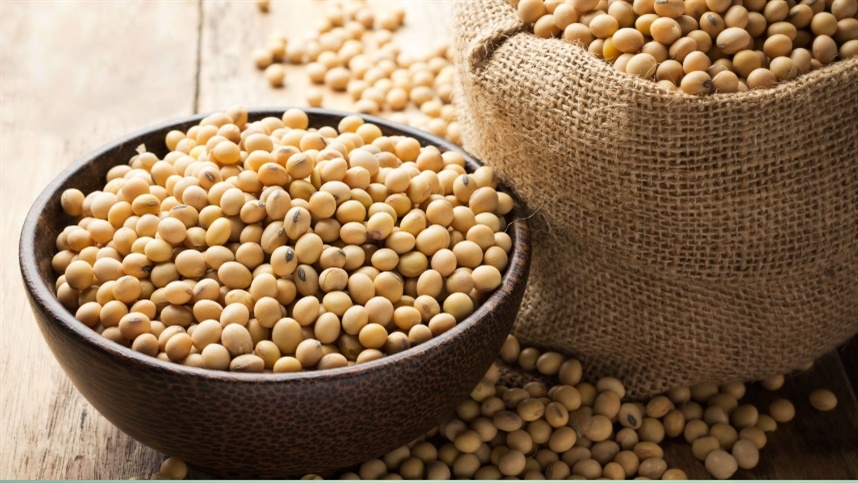
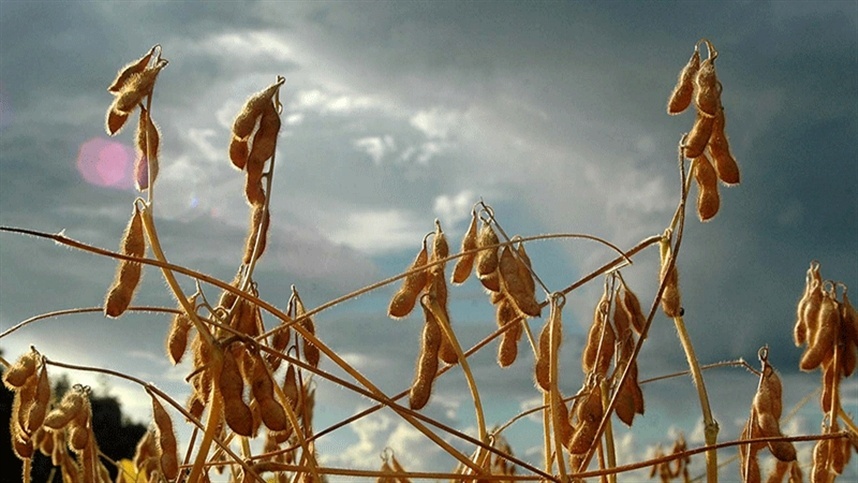
Soybean production is expected to reach 181.6 million tons, a volume 0.7% higher than that recorded in the previous harvest. According to data released by Conab, the area destined for the oilseed should grow by 1.4%, reaching 49.3 million hectares. At the beginning of October, 15.6% of the projected area had already been sown, and 57% of that portion was in vegetative development. Mato Grosso and Paraná, the two largest Brazilian soybean producers, registered an increase of 25.2% and 36% in the sown area, respectively.
Corn is also expected to increase its share of national grain production. Considering the three corn harvests, the planted area is estimated at 23.7 million hectares, a growth of 4.91 TP4T compared to the 2025/26 cycle. Total corn production could reach 148 million tons, an increase of 2.41 TP4T compared to the previous season. The first harvest is expected to show the greatest increase in area, with a forecast of 4.54 million hectares, an increase of 10.71 TP4T. In the Southern Region, the sowing of the first corn harvest was already approaching 801 TP4T of the area planned in the three states by October 9th. Santa Catarina had the highest percentage, with 79.91 TP4T of the area sown.
For rice, the outlook is for reduced production. According to data released by Conab, the harvest should total 10.8 million tons, a decrease of 2.91 TP4T compared to the previous harvest. The total cultivated area is estimated at 1.53 million hectares. The area of rainfed rice should grow by 7.11 TP4T compared to the 2025/26 cycle. The irrigated area, responsible for the largest share of national production, should decrease by 0.41 TP4T. In the first week of October, Santa Catarina had sown 441 TP4T of the planned area, while Rio Grande do Sul had reached 271 TP4T.
Brazilian bean production is expected to remain stable, with an estimated 2.9 million tons. For the first crop, the planted area is projected at 808,200 hectares, an increase of 1.91 TP4T compared to the previous cycle.
Despite the increase in area, the first crop production is estimated at 963,100 tons, a decrease of 1.11 TP4T compared to the previous season. According to data released by Conab, the national percentage of sowing had already reached 18.11 TP4T. São Paulo led the work, with 1001 TP4T of the sown area. Following were Paraná, with 521 TP4T, and Rio Grande do Sul, with 421 TP4T.
Among winter crops, wheat is expected to have lower production in 2026. With 40.31 TP4T of the area harvested, the cereal has an estimated production of 5.7 million tons, a reduction of approximately 27.21 TP4T compared to the previous harvest. According to data released by Conab, the decrease is associated with a reduction in the planted area and wheat productivity.
In the soybean market, Brazilian grain exports are estimated at 117.97 million tons in the 2026/27 crop year, an increase of approximately 1.511 TP4T compared to the previous cycle. This increase corresponds to 1.76 million tons. Shipments of soybean meal are also expected to increase. Conab projects growth of 3.061 TP4T, with a volume of 27.1 million tons destined for the external market.
In the domestic market, demand for soybeans is expected to remain strong, driven by the use of soybean oil in biodiesel production and increased consumption of vegetable protein.
For corn, exports in the 2025/26 cycle are expected to reach 43.9 million tons. Stocks are projected at 16 million tons in February 2027. The increased use of corn in ethanol production should contribute to raising domestic consumption by 6.61 TP4T in the 2026/27 cycle. The trade situation also points to high export levels, favored by production performance. At the end of the 2026/27 cycle, corn carryover stocks are expected to total 14.9 million tons.
In the rice market, the expectation of lower domestic availability should reduce exports by 17.41 TP4T. For the 2026/27 cycle, shipments are initially estimated at 1.66 million tons. Imports are expected to remain stable, with a forecast of 1.3 million tons, as is domestic consumption, estimated at 10.8 million tons.
Conab also projects a reduction in rice carryover stocks. By the end of February 2028, the volume should be at 1.4 million tons, a decrease of 22.71 TP4T compared to the stock expected for February 2027.
Initial estimates for the 2026/27 harvest therefore point to a further increase in Brazilian grain production, mainly driven by prospects for soybeans and corn. At the same time, projections for rice and wheat indicate lower availability of these grains, while expectations for exports, domestic consumption and stocks vary depending on the product.