EN
EN  PT_BR
PT_BR 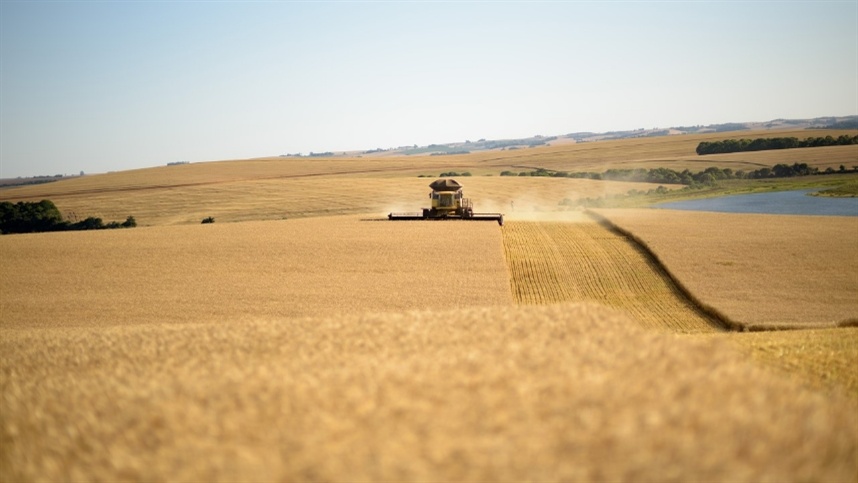
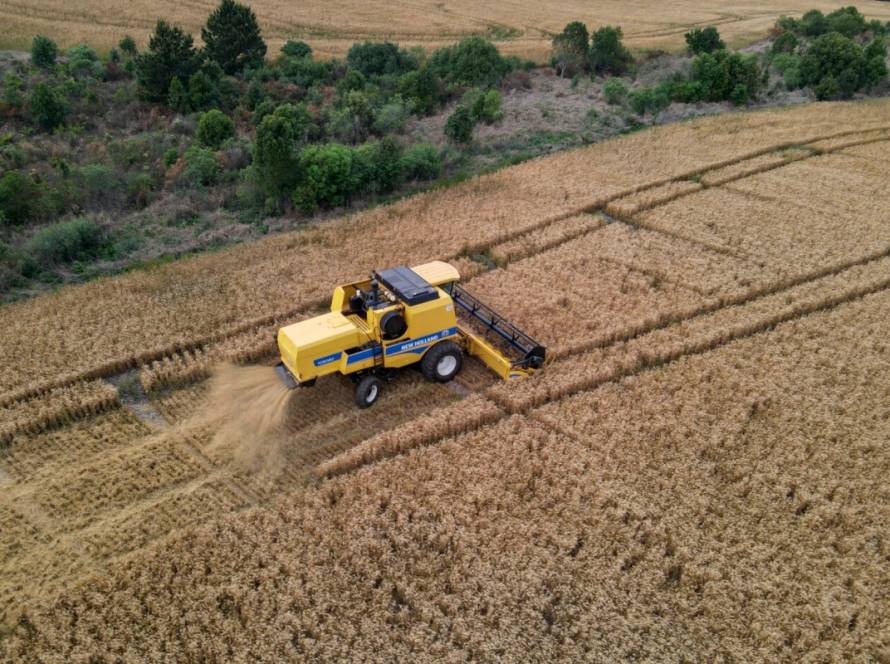
Excessive rainfall in southern Brazil has increased concerns about water quality. wheat from the 2026 harvest, at a time when the national harvest is progressing. According to data from the National Supply Company (Conab), presented in the Itaú BBA Monthly Agro bulletin, 40.3% of the Brazilian area had been harvested by the time the survey was released in October.
The main concern of market participants is related to the industrial quality of the grain. Frequent rainfall has favored the occurrence of ear diseases and increased uncertainties about characteristics such as hectoliter weight, germination, and gluten strength, which are fundamental for meeting the demands of the milling industry.
In Rio Grande do Sul, the harvest was in its initial phase, while a large part of the crops remained in the grain-filling and maturation stages. The combination of high rainfall and low solar radiation increased the risks to the final development of the crop and to the quality of the product.
In Paraná, work was more advanced and most crops were in good condition. However, the continuation of the harvest depended on periods of dry weather. In Santa Catarina, the earliest areas began to be harvested, also amid concerns about high humidity.
In other regions, the progress of the harvest presented different situations. São Paulo registered a delay in harvesting compared to the previous season, while Goiás, Minas Gerais, and Mato Grosso do Sul had already completed the work.
In the international market, wheat prices showed volatility due to logistical restrictions related to the conflict between Russia and Ukraine. Soft wheat traded in Chicago closed the analyzed period at 671 cents per bushel, reflecting uncertainties about export flows from the Black Sea region.
Despite the availability of wheat in Russia, difficulties in transportation limited shipments and contributed to higher prices in other exporting origins. Alternative transport options via the Baltic Sea helped to moderate prices, but did not lead to a return to normal operations via the Black Sea and the Sea of Azov.
International outlook suggests a tighter supply and demand balance for the 2026/27 crop year. According to Itaú BBA's assessment, global production is expected to fall short of estimated consumption, reducing availability after two seasons of higher supply.
In Argentina, Brazil's main external wheat supplier, crop conditions were favorable at the beginning of October. Approximately 91% of the area had adequate or optimal water conditions, while 64% of the crops were classified as good or excellent. The expectation of high availability from Argentina could expand the supply alternatives for Brazilian mills.
In the domestic market, the quality of the harvested wheat is expected to play an important role in price formation. If qualitative losses are confirmed in producing regions, the availability of lots that meet industrial specifications may decrease, increasing competition for the best quality grain and the premiums associated with quality.