 EN
 PT_BR

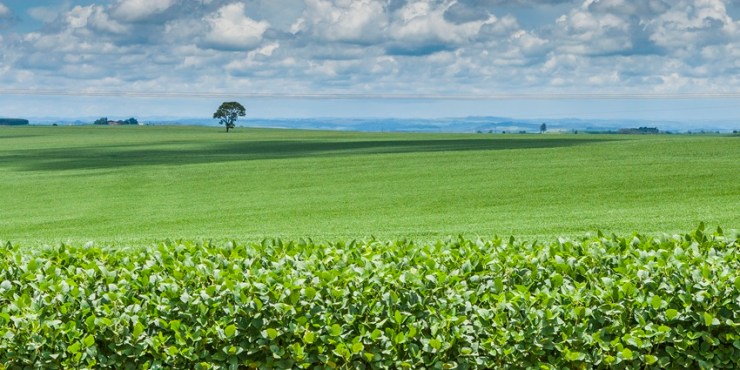
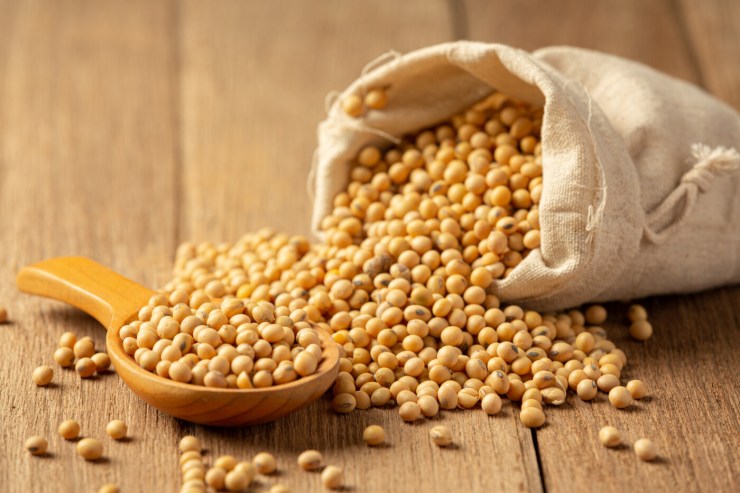
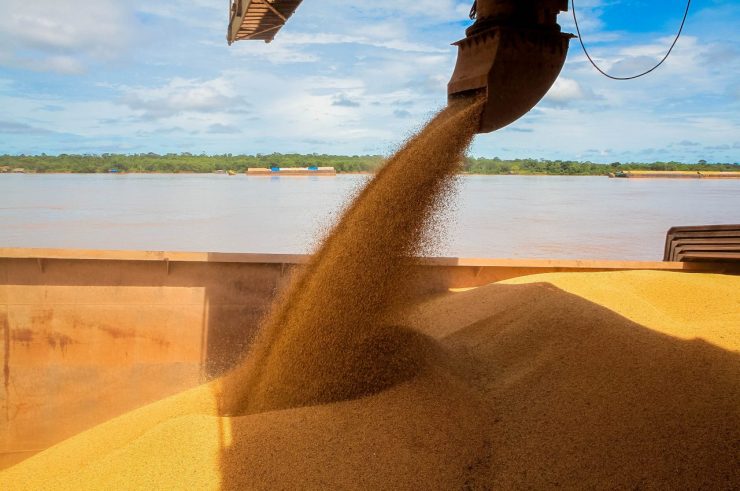
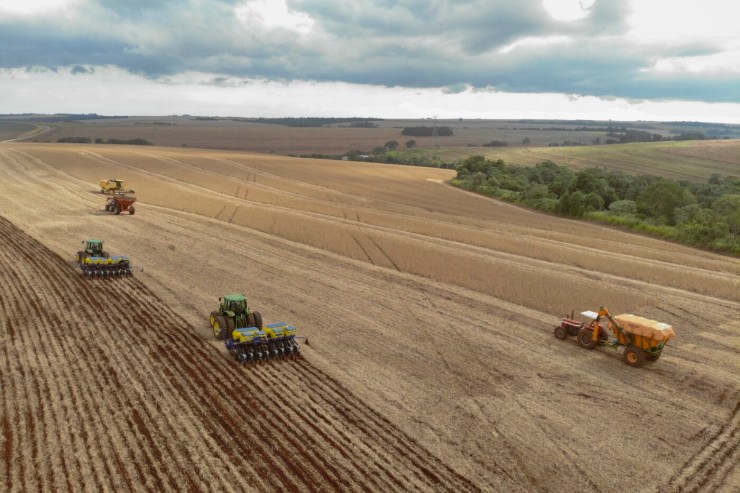
The productive potential of soy It depends on post-planting care. Monitoring emergence, weed control, pest and disease monitoring, and attention to water help prevent losses. In the 2025/2026 crop season, Brazil produced 180.4 million tons of soy, an increase of 5.2% compared to the previous cycle, according to the National Supply Company (Conab).
In the first few weeks, stand establishment requires attention. Failures in emergence and uneven plants may indicate soil compaction, lack of water, or pest infestation. Rafael Toscano, commercial seed manager at ORÍGEO, emphasizes the importance of identifying these problems before they affect productivity.
"Monitoring the fields in the first few weeks helps the producer understand how the crop is responding and whether development is occurring uniformly," he explains.
Weed control is also crucial. According to Embrapa, competition for water, light, and nutrients can affect soybeans, especially between 10 and 50 days after emergence. For insects, the institution recommends Integrated Pest Management, which considers the species, the population present, and the stage of crop development.
Soil moisture and weather conditions must be monitored to guide management. Surveillance for diseases, such as Asian soybean rust, completes the care needed to preserve crop development. "In the case of Asian soybean rust, for example, monitoring is one of the tools used to guide management and prevent the disease from spreading uncontrollably," concludes Toscano.