 EN
EN  PT_BR
PT_BR 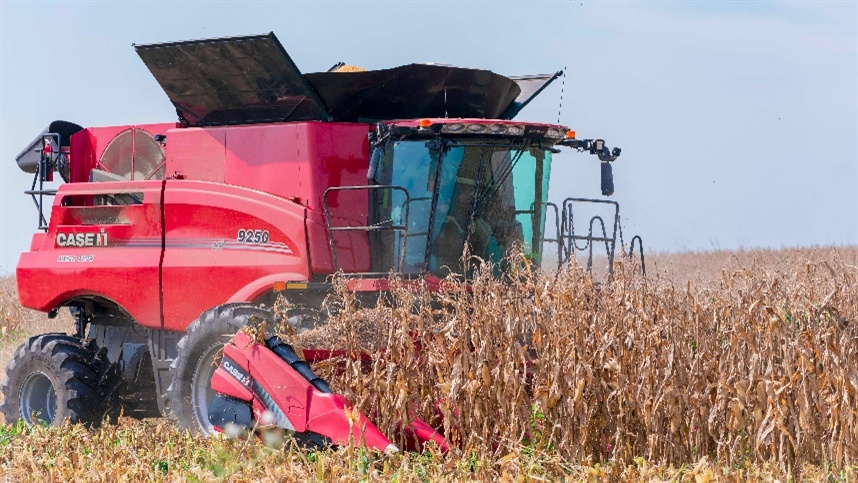
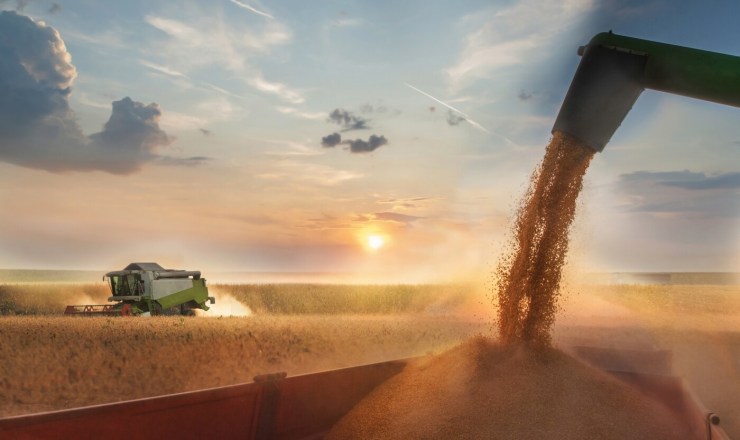
Determining when to harvest the corn It directly influences field losses, grain quality, and drying and storage costs. Both early and late harvesting present risks and require an assessment of crop conditions and available infrastructure on the property.
When corn is harvested with high moisture content, the need for drying increases, leading to higher energy consumption and processing time. Wetter grains are also more susceptible to cracking, breakage, and uneven moisture content within the batch.
Prolonged crop retention in the field after physiological maturity increases the risk of natural shattering, ear drop, lodging, and plant breakage. Exposure to rain, wind, pests, and fungi can also favor an increase in damaged grains and the potential for mycotoxin occurrence.
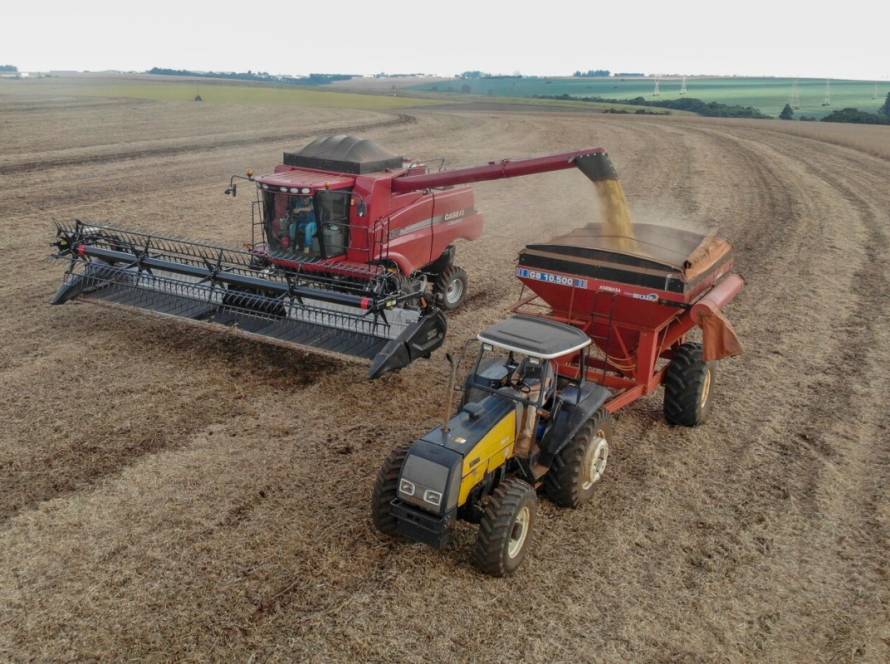
To determine when to bring in harvesters, the material recommends monitoring grain moisture, observing crop maturity, and considering harvesting, transportation, drying, and storage capacity. Weather conditions and the history of diseases and pests should also be factored into the decision.
In practice, the harvest point should seek a balance between reducing the corn's exposure in the field and working with a moisture content compatible with the post-harvest structure, avoiding losses and unnecessary costs.