 EN
EN  PT_BR
PT_BR 
The offer of corn and soy In the United States, competition is expected to get tighter in the 2026/27 season, according to new official projections released in September. cornIn 2019, the reduction in production was the main factor of adjustment, while in 2019, the reduction in production was the main factor of adjustment. soy The increase in demand offset expectations of a record harvest.
The United States Department of Agriculture (USDA) estimated corn production at 15.8 billion bushels, down 213 million from its August projection and 71 TP4T lower than the 2025 crop. Productivity was reduced to 178.5 bushels per acre, due to the effects of hot and dry conditions in parts of the producing belt at the end of summer.
With a smaller harvest, ending corn stocks in 2026/27 were projected at 1.567 billion bushels, down from the 1.653 billion forecast a month earlier and 18% lower than estimated for 2025/26. The USDA also reduced its estimate for corn use for animal feed, but maintained exports at 3.275 billion bushels.
According to Mike O'Dea, risk management consultant at StoneX, the revision in feed consumption was expected, while export, ethanol, and processing demand continues to support the market. The stock-to-consumption ratio fell from 10.1% to 9.7%.
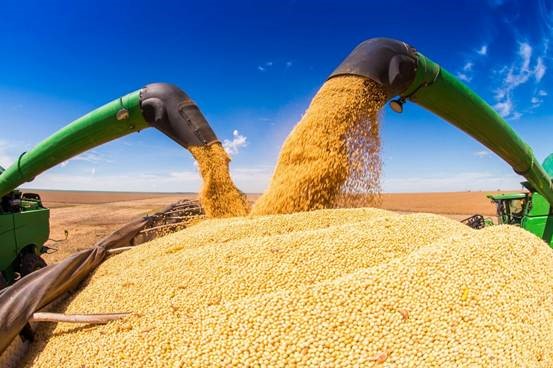
For soybeans, the USDA raised its crop estimate to a record 4.535 billion bushels, 61 times higher than in 2025. Even so, ending stocks were reduced to 310 million bushels, reflecting stronger exports. The shipment forecast increased to 1.685 billion bushels, while crushing remained at 2.780 billion.
With the new figures, the market is also paying closer attention to the weather in South America, especially the production prospects in Brazil and Argentina.