 EN
EN  PT_BR
PT_BR 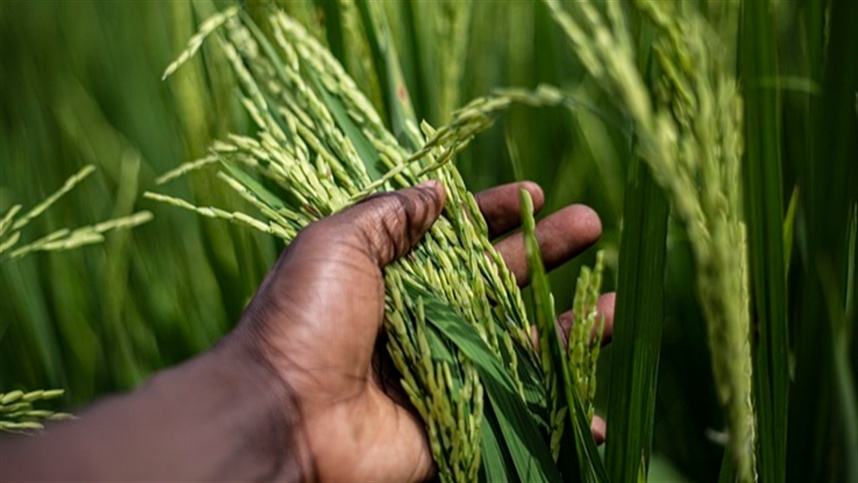
Between June and December, the producer of rice Irrigated farming enters one of the most important phases for determining the results of the next harvest. During this period, the planting area, crop rotation, soil correction, cultivar selection, seed and input purchases, as well as the preparation of the areas and irrigation infrastructure are organized.
Planning rice cultivation within this window is important to reduce risks and organize operations before sowing, especially in irrigated farming systems in southern Brazil. The decisions involve agronomic, economic, and operational aspects that can influence productivity and costs throughout the cycle.
The evaluation of the previous harvest should be the starting point. Between June and August, the producer can assess yields per plot and identify areas with lower productivity, as well as record problems related to excess or lack of water, lodging, weed resistance, diseases, pests, stand failures, and difficulties during harvesting.
It is also important to verify the performance of the cultivars used, considering cycle, productivity and health, in addition to estimating the cost of production per area. The analysis allows defining which areas will continue with rice, which can enter rotation and where corrective actions will be necessary, such as liming or restructuring of drainage and canals.
Soil analysis should also be scheduled during the winter. The recommendation is to perform sampling by plot, considering the depths indicated for irrigated rice and for any rotation crops.
The results should be interpreted with technical support and considering official recommendations for cultivation. Based on them, the producer can identify the need for liming, gypsum application, and fertility corrections, mainly of phosphorus, potassium, and micronutrients.
When necessary, liming should be planned according to the possibility of applying and incorporating the corrective agent. The schedule needs to consider the availability of machinery, the interval between application and sowing, and integration with other land preparation operations.
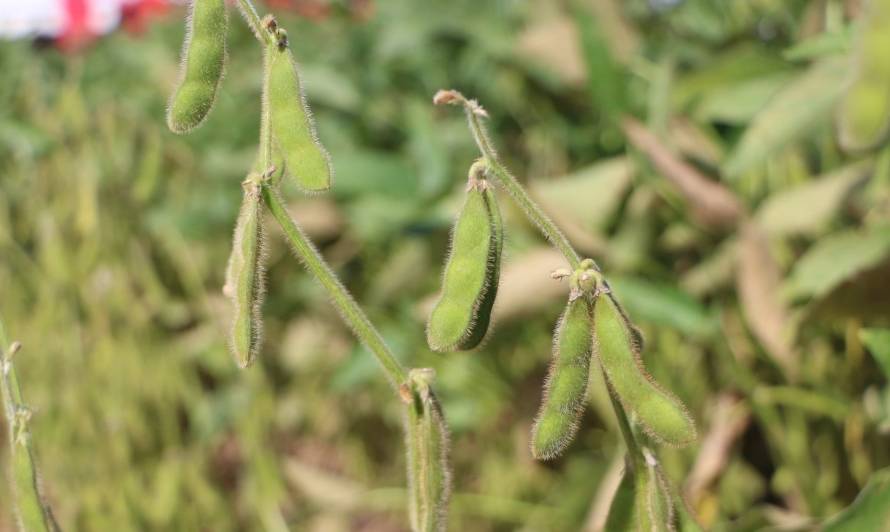
Between June and September, the off-season also represents an opportunity to organize crop rotation and weed management. The use of crops such as soybeans, corn, or temporary pastures can diversify control strategies and reduce the selection of resistant biotypes.
The producer can also evaluate the use of cover crops or managed fallow, in addition to planning desiccation according to the history of the predominant species in the area. Among the main targets are barnyardgrass, red rice, other grasses, and broadleaf plants.
Pest management should integrate cultural, mechanical (when applicable), and chemical methods. Alternating mechanisms of action, using the correct doses, and defining application times must respect the label, package insert, and agronomic prescription guidelines.
Controlling red rice and barnyardgrass requires attention over more than one growing season. Crop rotation, sowing within the recommended period, and using certified, uncontaminated seeds are all part of this strategy.
Between July and September, the producer also needs to define the cultivars and organize the acquisition of seeds. The cycle must be compatible with the planned sowing window, avoiding, whenever possible, the coincidence of flowering with periods of greater risk of cold or water stress.
Productive potential, stability, adaptation to local conditions, height, and lodging resistance should also be considered. In areas with a history of disease, the resistance or tolerance of cultivars is another important factor, especially with regard to blast disease.
Grain quality also factors into the decision, considering characteristics such as grain type, milling yield, and market acceptance. Purchasing certified seeds in advance helps guarantee genetic and physical purity and reduces the risk of contamination by red rice or other species.
Seeding density should be determined according to technical recommendations and the production environment, with support from agronomic assistance. It is also necessary to organize the receipt and treatment of seeds, when necessary, and their proper storage.
The water infrastructure deserves attention between June and October. Supply and drainage channels, intake structures, pumps, water intakes, and dams should be reviewed before the start of the harvest season.
Embankments, dikes, and block divisions also need to be evaluated to ensure sealing and the ability to control the water level. The leveling of the areas can be analyzed to even out the water level and reduce problems of excess or lack of water.
Drainage should be planned for periods of excessive rainfall, preventing prolonged waterlogging and difficulties for machinery access. During this same period, it is important to estimate water availability for the next harvest, considering reservoirs, rainfall patterns, and any potential restrictions on water intake.
This assessment can guide the definition of the area to be sown and the prioritization of plots in situations of water scarcity.
Between September and December, planning shifts to final preparation and sowing. The target period should follow regional technical recommendations and aim to reduce crop exposure to low temperatures during emergence and flowering, as well as excessive rainfall and other unfavorable weather conditions.
The schedule should include soil preparation, when adopted, the formation of embankments, leveling, application of soil amendments and base fertilizers, and water introduction. In systems where continuous irrigation is used, the start should be planned according to the weed management strategy and the characteristics of the cultivar.
The organization of operations must also consider the capacity of seeders, tractors, and harvesters, as well as the availability of labor during periods of higher demand. Traffic conditions in the field should be monitored to reduce the risk of soil compaction and mudslides.
Integrated pest and disease management should be planned even before planting the crop. The producer needs to consider the history of the area, the occurrence of insects and diseases, and the influence of crop rotation and existing vegetation in the vicinity.
Preventive strategies include choosing cultivars with better resistance profiles, crop rotation, adjusting plant density, and managing nitrogen fertilization. Excess nitrogen can promote disease and lodging.
It is also necessary to establish a monitoring routine, with frequency of inspections, sampling points, and criteria for decision-making. The use of pesticides should consider alternating active ingredients and chemical groups, as well as adapting applications to the plant's most vulnerable phases.
Financial planning completes the crop preparation. Between June and December, the producer must prepare a budget considering seeds, soil amendments, fertilizers, pesticides, fuel, machinery maintenance, labor, irrigation, harvesting, and post-harvesting.
It is also important to assess available credit lines, terms, and financing conditions. Purchasing supplies in advance, when possible, can help organize product availability and commercial terms without compromising technical criteria.
Controlling costs helps avoid hasty decisions during the harvest season, such as inappropriate dose reductions or delays in important operations, which can result in productivity losses.
The organization of machinery, personnel, and logistics should also begin during the winter and early spring. Tractors, seeders, sprayers, and harvesters should undergo preventive maintenance, including checking calibrations, adjustments, and wear parts.
The team needs to be prepared for crop operations, while seeds, fertilizers, and pesticides must be stored in suitable locations, protected from moisture and under safe conditions.
Harvesting and transportation logistics can also be planned in advance, considering truck availability, receiving times at processing plants or warehouses, and strategies to reduce post-harvest losses.
Therefore, rice planning between June and December is not limited to choosing the planting date. Preparation involves evaluating the previous harvest, soil analysis and correction, crop rotation, cultivar selection, water management, phytosanitary management, cost control, machinery maintenance, and logistics.
The success of irrigated rice cultivation is built before sowing, with decisions organized throughout the off-season and the beginning of spring. All management strategies should be evaluated with guidance from an agricultural engineer, considering the specific characteristics of the property, the soil, the history of the area, and the climatic conditions.
This content is for informational purposes only and does not replace the assessment of an agricultural engineer under real field conditions.