 EN
EN  PT_BR
PT_BR 
Irregular rainfall is expected to reduce the grain production potential for the 2026/27 season, with anticipated impacts on planted area and productivity. The scenario is marked by a weaker and more unstable monsoon regime, alternating between periods of recovery and further declines in rainfall over the past few months.
According to a report by the Foreign Agricultural Service (FAS) of the United States Department of Agriculture, the 2026 monsoon in India is among the weakest and most erratic in terms of monthly variations. After a late start and below-expected rainfall in June, there was a recovery in July, followed by a further weakening in August. The expectation is that the second half of the monsoon season will remain below normal.
Given this scenario, the estimate for milled rice production in 2026/27 was revised to 147 million tons, down from 154 million tons recorded in 2025/26. Despite trade difficulties caused by the crisis in the Middle East and import restrictions in some African markets, monthly rice exports have remained stable since the beginning of 2026, supported by sales to other destinations.
For 2026/27, the FAS maintains its rice export projection at 25 million tons. Indian prices are expected to remain competitive, while the government continues to release surplus stocks into the domestic market to reduce publicly stored volumes.
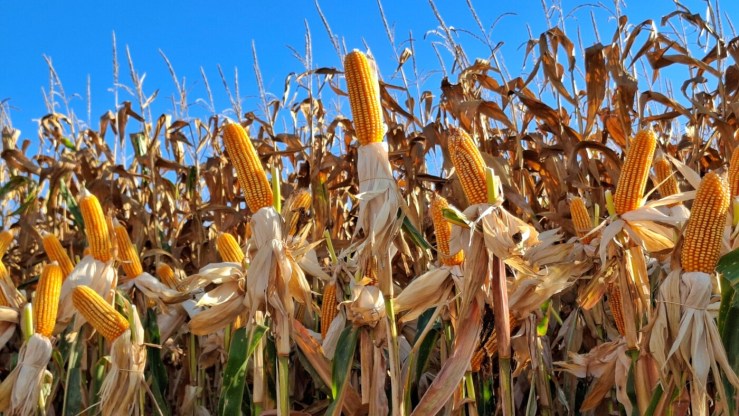
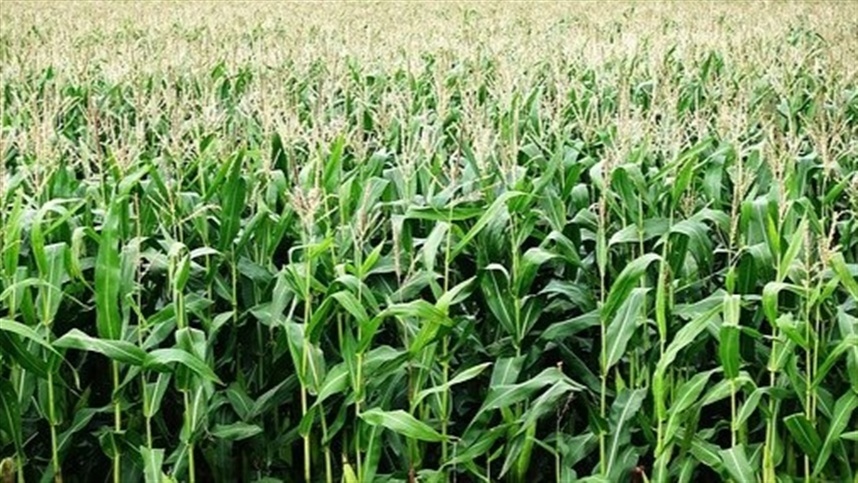
For corn, the production forecast for 2026/27 has fallen to 50 million tons, compared to 55 million in 2025/26, due to expectations of a smaller planted area and lower productivity. Exports, estimated at 2.5 million tons in 2025/26, are expected to decline to 1.5 million tons in the following season.